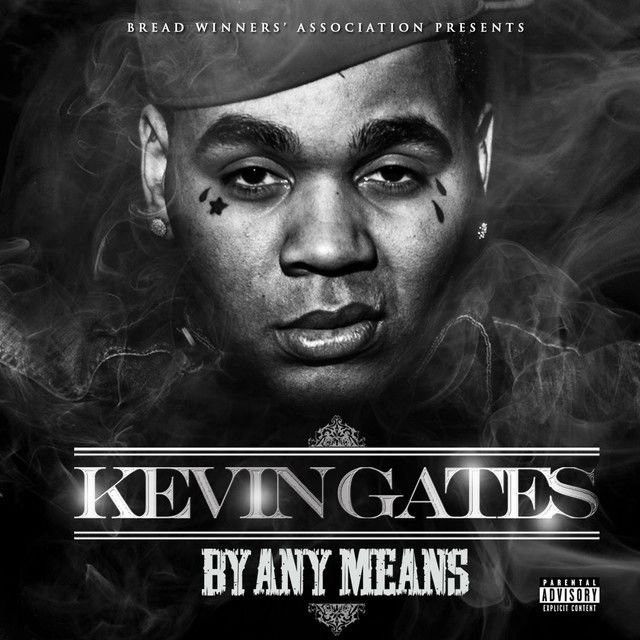
Posed to Be in Love by Kevin Gates
A Love Song That Sounds Like a Warning
The meaning of Posed to Be in Love Kevin Gates is less about romance than control, obsession, and the danger of confusing possession with devotion. On the surface, the hook sounds simple: two people are “supposed” to stay together. But the verses turn that idea dark. Instead of trust, the song gives jealousy, panic, and threats.
"Posed to Be in Love" - Kevin Gates
(Go Grizz)
Man, I thought it was legal to beat yo' ho
Loading lyrics...
Unable to load lyrics
We're unable to display the lyrics at this time. Please try again later.
Kevin Gates has long built songs around raw confession, unstable emotions, and street-level realism. That style matters here. The narrator does not sound calm or reflective. They sound cornered, angry, and unable to accept rejection. The result is a track that uses the language of love to expose a warped idea of what love means.

Watch the official Posed to Be in Love
music video
The Core Meaning Hides in the Hook
The chorus repeats we supposed to be in love
and adds it ain't no breakin' up
. Paraphrased, the speaker believes a relationship should continue no matter what. That is the key tension in the song.
In healthy love, staying together is a choice. Here, the speaker treats it like a rule. That shift is what makes the song disturbing. The phrase sounds romantic at first, but each repetition strips away tenderness and reveals entitlement.
Interpretation: the hook may be Gates showing how some people use the idea of loyalty to excuse toxic behavior. The song does not present a balanced romance. It presents a mind-set that sees a partner leaving as betrayal.
What Happens in the Story
The song unfolds like a breakup scene that keeps escalating. First, the speaker calls repeatedly and gets ignored. Then they arrive to find their things packed up, a detail that shows the relationship has already hit a breaking point.
From there, the narrator becomes more unstable. They admit being consumed by desire and say the situation makes them feel like stalkin' her
. That line is important because it names the obsessive pull directly, even if in crude language. The track does not describe longing in a sweet way; it describes compulsion.
Later verses push into open threats. The speaker talks as if arguments can turn physical and imagines retaliation if they feel disrespected or replaced. By the final section, the energy becomes almost cinematic: family calls, drive-bys, and the image of moving with mask on, silent
. Those details make the song feel less like a breakup ballad and more like a portrait of emotional collapse.
Who the Narrator Thinks They Are
One revealing line is can't even talk to her
. In plain terms, the speaker is outraged that access has been cut off. That matters because the song is built on denied access: unanswered calls, packed belongings, and a partner who has chosen distance.
Instead of accepting that boundary, the narrator frames it as unfair. That self-justifying voice is central to the song's meaning. They do not ask whether they caused the breakup. They focus on the insult of being shut out.
Any way that we can talk about it
it ain't no walkin' out
Those lines summarize the song's emotional logic. The speaker claims to want communication, but only if it leads back to control. Walking away is treated as unacceptable.
Production Turns Obsession Into Atmosphere
The production, credited in part to Go Grizz in the song audio tag, supports that unstable mood. The beat is spare and heavy, leaving space for Gates' voice to carry most of the pressure. Rather than softening the content with melodic warmth, the track leans into repetition and blunt rhythm.
That matters because repetitive hooks can mimic obsessive thought. When the same idea keeps circling back, the listener feels trapped inside the narrator's mind. Gates often uses this method in his music: simple melodic phrasing, emotional intensity, and a conversational flow that can turn suddenly menacing.
Interpretation: the beat's minimalism makes the song feel claustrophobic. There is not much sonic release, which mirrors a speaker who cannot let go.
Artist Context Helps Explain the Song
Kevin Gates is known for mixing vulnerability with aggression, often in the same verse. Public biographies and label profiles describe him as a Baton Rouge rapper whose music blends confession, melodic hooks, and hard-edged Southern rap style. That background helps explain why this track sounds so emotionally exposed while also feeling threatening.
The song is credited to Kevin Gilyard and Kevin Andre Price. Factually, that supports the idea that the writing comes from a close, personal voice rather than a distant storytelling exercise. Still, listeners should be careful not to assume every lyric is literal autobiography. Rap often heightens emotion, character, and conflict for dramatic effect.
The Big Themes: Love, Ownership, and Fear
At its heart, the song asks what happens when someone mistakes attachment for love. The repeated claim that they are supposed to be in love
is really a refusal to accept another person's choice.
Three themes stand out:
- Possession over partnership — the relationship is treated like ownership.
- Obsession after rejection — separation makes the speaker more fixated, not less.
- Fear of abandonment — anger seems to cover panic and humiliation.
That last theme is why the song can feel complicated. Beneath the rage is a terrified person who cannot handle loss. That does not excuse the behavior. It explains why the song lands with such ugly intensity.
Final Take on the Meaning
The meaning of Posed to Be in Love Kevin Gates is that love becomes dangerous when it stops respecting freedom. The song's hook sounds like commitment, but the verses reveal coercion, jealousy, and emotional instability.
For some listeners, the track may read as a character study in toxic masculinity and possessiveness. For others, it may feel like a brutally honest snapshot of a breakup mind-set at its worst. Both readings fit the evidence in the lyrics and delivery.
Disclaimer: This interpretation is based on the song's lyrics, performance, and available credits. It does not claim the song reflects literal events, and meaning can vary from listener to listener.








