Pride by Kevin Gates
A love song bruised by ego
The meaning of Pride Kevin Gates centers on a hard truth: love can be real, deep, and lasting, yet still get damaged by defensiveness and emotional distance. In this song, they present a speaker who clearly loves one person, but also admits that ego keeps getting in the way.
"Pride" - Kevin Gates
No matter wrong or right sayin' it's gonna be alright
No one'll hold you tight, no one'll look you in your eyes
Loading lyrics...
Unable to load lyrics
We're unable to display the lyrics at this time. Please try again later.
That makes "Pride" more than a standard rap love song. It is about wanting to protect someone, missing them badly, and finally seeing that toughness does not always save a relationship. Sometimes it ruins one.
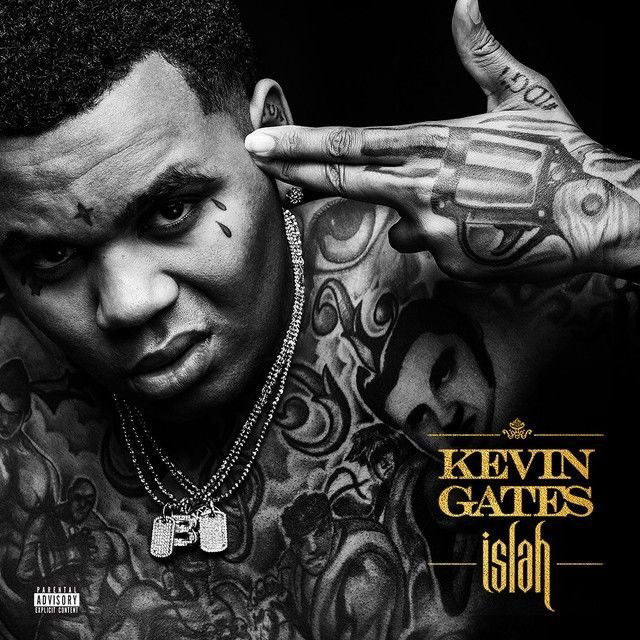
Factually, "Pride" appears on Islah (2016), Kevin Gates' debut studio album, and the song was written by Kevin Gilyard and Matthew Paisley-Malia. Coverage from Pitchfork noted that the video co-starred Gates' wife Dreka and daughter Islah, tying the song directly to family life and separation. Songfacts also links the track to Gates' relationship with Dreka and his struggle between devotion and pride.

Watch the official Pride
music video
Where the song’s heart really sits
At its core, the track speaks to a partner who still feels emotionally central. The chorus imagines loneliness at night and the need for comfort. In plain terms, the speaker is saying: when life gets heavy, they still believe their love offers a kind of safety nobody else can match.
That idea shows up in brief phrases like alone at night
and hold you tight
. Those lines are simple, but they matter. They reduce the relationship to its emotional basics: presence, reassurance, touch, and being allowed to feel pain.
The key emotional turn comes with one day I'll get over my pride
. That is the song’s thesis. Instead of blaming the other person, the speaker names their own flaw. They do not say love failed because it was fake. They suggest love was hurt by stubbornness.
A timeline of memory, distance, and return
The verses tell a story in fragments rather than a neat plot. That style fits the song well because heartbreak often feels like memory flashes.
The relationship begins with intensity
Early on, the speaker says the bond felt immediate and rare. They describe recognizing love quickly, even if other people would doubt it. This gives the song a strong sense of certainty: the emotion itself is not in question.
Then separation changes everything
The lyrics describe an argument, physical distance, and years without speaking. During that break, the speaker says life gets darker, including drug use, depression, and pressure from people around them. In other words, the loved one becomes associated with peace, while separation brings chaos.
dyin' on the inside
one day I'll get over my pride
This is the article’s only multi-line lyric quote, and even here the point is clear without overquoting: inner pain is connected to emotional refusal. The song suggests the suffering is not just from loss, but from not being able to drop the mask.
Memory becomes proof of love
Later verses pile up details: travel, shopping, breakfast on the beach, teasing, FaceTime, and public affection. These are not random flexes. They function like evidence. The speaker is trying to prove the relationship was lived, specific, and tender.
Why the chorus hits so hard
The chorus is written almost like a late-night promise. It says the loved one deserves softness, eye contact, and honesty instead of performative toughness. A crucial line paraphrases the message that it is okay to cry, not just to act like the "tough guy."
That matters in Kevin Gates' larger artistic image. His music often balances aggression with confession, street realism with vulnerability. Here, the conflict is especially sharp: masculinity asks for armor, but love asks for openness.
Interpretation: the chorus is not only directed at the partner. It also sounds like the speaker talking to themselves, trying to unlearn a code of emotional silence.
The production turns confession into atmosphere
Musically, "Pride" supports that emotional split. The beat is smooth and melodic rather than explosive. Its tempo feels steady and reflective, giving Gates room to sing and rap in a way that sounds intimate instead of combative.
The hook has a floating, almost pleading quality. That softness is important because it undercuts the dominance suggested by some of the verse language. Even when the speaker sounds possessive or protective, the instrumental keeps pulling the song back toward longing.
A phrase like look you in your eyes
fits that sonic mood. The production is not built for spectacle. It is built for closeness.
Artist context makes the message sharper
Context strengthens the meaning of Pride Kevin Gates. Pitchfork reported that the video places Gates behind bars and contrasts those scenes with domestic memories featuring Dreka and their daughter. That visual frame turns the song into more than romance; it becomes a meditation on absence, family, and regret.
Songfacts also notes that Gates married Dreka Haynes in 2015, around the era of Islah. That real-life background does not lock the song into one literal reading, but it does make the track feel rooted in lived experience rather than fantasy.
The album title matters too. Gates said Islah was named after his daughter because she changed him for the better, a purpose he described as trying "to improve" and "make better." That theme of self-correction matches "Pride" perfectly.
The song’s tension: devotion or control?
There is another layer worth naming. Some lines frame the speaker as protector, and at moments that protection sounds loving. At other moments, it edges toward possessiveness.
Interpretation: this tension may be intentional. The song shows someone who genuinely cares, but whose idea of love is still mixed with pride, control, and ego. That makes the confession more believable. They are not healed yet; they are becoming aware.
Why listeners keep returning to it
"Pride" lasts because it is emotionally direct. It speaks to anyone who has loved someone deeply but let silence, stubbornness, or image get in the way. The details feel personal, yet the central conflict is widely understood.
In the end, the song argues that vulnerability is not weakness. It is the thing pride has been blocking all along.
Disclaimer: This article offers an interpretation based on the lyrics, publicly available song information, and coverage of the track and video. Meaning can remain open, and listeners may hear it differently.









