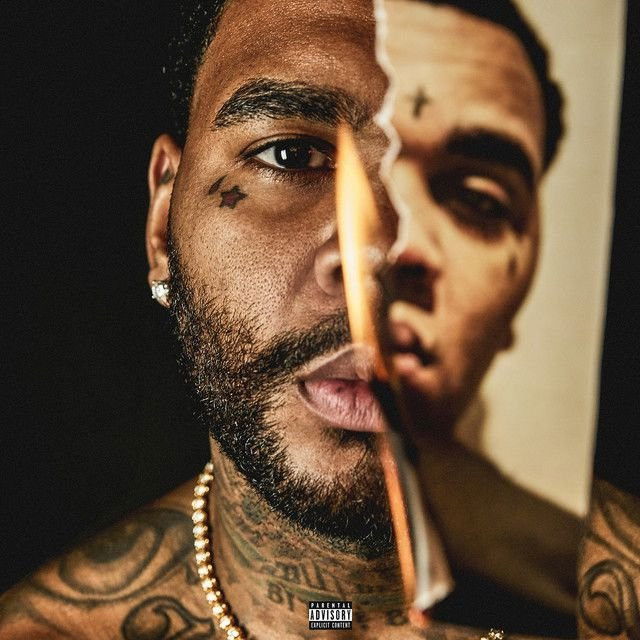
Push It by Kevin Gates
Why This Track Hits So Hard
The meaning of Push It Kevin Gates starts with pressure. The song is not subtle, and it does not try to be. They frame success as something earned through losses, risk, and force of will. From the opening talk before the beat drops, Gates sets a tone of challenge: people think the life is easy, but he insists he only makes it look that way.
"Push It" - Kevin Gates
(They do)
Nah nigga, I make this shit look easy, ya heard me
Loading lyrics...
Unable to load lyrics
We're unable to display the lyrics at this time. Please try again later.
That matters because the song is built on two linked ideas. First, they present survival as a daily grind. Second, they turn that grind into a statement of identity. When the hook repeats had to bounce back
and push it
, the song makes hustling sound like both a job and a test of character.

Watch the official Push It
music video
The Core Meaning: Recovery Through Pressure
At its simplest, the song is about recovering from setbacks and proving toughness in public. Gates keeps returning to the idea that losses did happen, but they did not end the story. The repeated image of bouncing back turns pain into motion. Instead of sitting with defeat, they answer it with action.
Interpretation: this is why the chorus feels bigger than a street-rap flex. It sounds like a self-motivation speech wrapped in trap music. Even when the verses describe illegal hustle and confrontation, the emotional core is still resilience. They want listeners to hear someone who got hit, adapted, and came back harder.
A short section of the hook captures that idea well:
Took a lot of losses
had to bounce back
Those lines are blunt, but that bluntness is the point. They strip the story down to setback and response.
Street Detail as Self-Portrait
The verses are packed with images of cooking, weighing, driving, hiding, and selling. Gates uses specific details to build credibility. Rather than speaking in general terms about ambition, they describe the mechanics of the life in a way that sounds lived-in.
That realism shapes the song’s meaning. The hustle here is not abstract. It is physical, repetitive, and risky. A line like still in the kitchen
points to labor, while mentions of tinted windows, compartments, and police pressure suggest constant exposure to danger.
Interpretation: these details do more than tell a story about crime. They create a portrait of a person who measures worth by stamina and adaptability. In this song, success is not clean or glamorous. It is tense, messy, and always under threat.
The Hook Turns Hustle Into Philosophy
The chorus is where the record opens up. The phrase applying pressure
links all the song’s themes together: competition, survival, intimidation, and persistence. Pressure comes from rivals, law enforcement, and hard circumstances. But Gates flips that pressure outward. They do not only endure it; they use it.
That makes the hook memorable. The repetition of push it
works on multiple levels. It can mean pushing product, pushing through hardship, or pushing up against anyone who doubts him. Because the phrase is so flexible, it becomes the song’s whole worldview in two words.
Sound and Production: Why the Message Feels Urgent
“Push It” appeared on Luca Brasi 3, released in 2018 through Bread Winners' Association and Atlantic Records, according to Kevin Gates' official site and Atlantic Records. The tape helped continue a major comeback period after Gates' legal troubles and return to music, a context reflected in the song’s bounce-back language.
The writing credits provided for the track are Derrick Gray, Franklin Shadrack, John Murphy, Kevin Gilyard, Mike Arrow, and Santeri Kauppinen. Those credits fit a song that feels built for impact: the beat is stark, bass-heavy, and repetitive in a way that mirrors relentless work.
There is very little softness in the production. The rhythm lurches forward with a mechanical feel, giving the impression of motion without rest. Gates' delivery does the rest. They rap with a clipped, aggressive cadence, then lean hard into the hook so it lands like a chant. That approach makes the song feel less like reflection and more like active confrontation.
Confidence, Threat, and Masculine Performance
Another layer in the meaning of Push It Kevin Gates is performance. Gates is not only narrating events; they are staging dominance. When he warns doubters and calls people out, the song becomes a public display of toughness.
A phrase like major mistake
shows how quickly the song shifts from defense to intimidation. The narrator refuses to be seen as weak, and much of the energy comes from that refusal. In rap, this kind of posture is common, but Gates gives it extra force by tying it to past struggle. The aggression sounds connected to survival, not just ego.
Interpretation: this is why the song can feel both inspiring and harsh. Its lesson is not gentle self-help. It is the idea that the world hits first, so a person must hit back harder.
A Bigger Kevin Gates Theme
For longtime listeners, “Push It” fits a pattern in Gates' music. Across mixtapes and albums, he often mixes pain, discipline, hunger, and self-belief. He has spoken in interviews about growth, struggle, and mindset, themes covered widely by outlets like Billboard and Complex. This track pushes those ideas into their most combative form.
That is why the song lasts beyond its hook. Under the bravado, it is really about refusing erasure. They want the listener to understand that every scar, risk, and setback became fuel.
Final Read on "Push It"
So what is “Push It” about? On the surface, it is a hard trap record about hustling and confrontation. Underneath, it is about turning losses into momentum and making pressure part of identity.
For many listeners, that is the real reason it connects. The details may be specific to Gates' world, but the emotional message is broad: setbacks do not end the story unless a person lets them.
Disclaimer: This interpretation is based on the lyrics, performance, and available artist context. Song meaning can vary from listener to listener.








