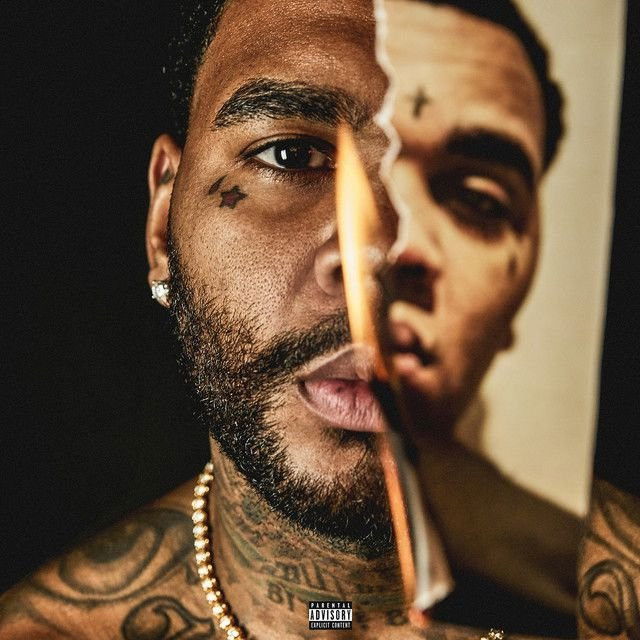
What I Like by Kevin Gates
A blunt song about appetite and image
The meaning of What I Like Kevin Gates starts on the surface: this is a song about pleasure, money, sex, and status. The hook is direct and repetitive on purpose. When Gates keeps returning to that's what I like
, they turn desire into a personal slogan. The song does not hide behind metaphor very much. It names what the speaker wants, then repeats it until want sounds like identity.
"What I Like" - Kevin Gates
Six7 on the beat
Ay
Loading lyrics...
Unable to load lyrics
We're unable to display the lyrics at this time. Please try again later.
That simplicity matters. Kevin Gates has long built songs around confession, bravado, and contradiction. Critics have often described their style as a mix of melody, street detail, and emotional exposure, with The FADER noting in 2024 that Gates remains unusual for combining raw sexuality with sincerity and unpredictability. In that larger context, “What I Like” sounds less like a deep confession than a performance of appetite: a record where excess itself becomes the point.
Watch the official What I Like
music video
The hook says more than it seems
On paper, the chorus can sound one-note. It lists women, luxury clothes, jewelry, and expensive cars. Phrases like designer my clothes
and wrist on froze
show a world where value is measured by visible signs. The speaker wants everyone to see wealth, not just have it.
Interpretation: the repetition suggests more than simple enjoyment. It can also feel defensive, as if saying these are the rewards they earned and no one can question them. The louder the list gets, the more it suggests a need to prove success in public.
There is also a key theme running through the song: liking something is not presented as a quiet preference. It is domination. The speaker does not just enjoy luxury; they use it to establish rank, power, and distance from ordinary life.
Pleasure, status, and disrespect
A major part of the song’s energy comes from how pleasure and disrespect are linked. The lyrics move fast from material flexes to sexual conquest and shock value. That is why the song can feel both celebratory and abrasive. It is built to sound unbothered, even reckless.
In plain terms, Gates is describing a lifestyle where limits do not matter much. The line about buying jewelry regardless of price turns spending into proof of freedom. The references to women and relationships are less about romance than possession and access. Even foreign headlights
works as a status image: luxury is framed as something seen at night, flashing by, impossible to miss.
Interpretation: this is one reason the song can be read as both a flex anthem and a critique of flex culture. Gates may be enjoying the excess, but they also push it to such an extreme that it starts to sound empty, repetitive, and mechanical.
What happens in the verses
The verses widen the picture. Gates shifts from the hook’s simple cravings into scenes of movement, money, and social control. They mention shopping bags, calls in motion, women around them, and side hustles still running. That detail matters because it shows success as a nonstop routine, not a single moment.
One small section sums up the song’s rhythm well:
I ain't even mean to flex
You ain't even seen this
The idea here is easy to paraphrase: the speaker claims the display of wealth is casual, almost accidental, while also making sure everyone notices it. That fake modesty is part of the performance. They act surprised by their own shine, but they clearly want an audience.
The later verse also mixes rap success with street economics. That fits Gates’ broader catalog, where music and hustling often sit side by side. According to biographical summaries of their career, Gates emerged from Baton Rouge and built a following through mixtapes like The Luca Brasi Story before breaking wider with Islah in 2016. That history helps explain why songs like this treat money as hard-won proof, not just decoration.
How the sound carries the meaning
Production is a big reason the song lands. The beat is sparse, bass-heavy, and loop-driven, giving the hook room to pound into the listener’s head. The vocal tags at the start and the simple drum pattern create a club-ready frame. Nothing is overly soft or emotional. The sound is functional, cold, and flashy.
That matters for interpretation. A warmer instrumental might have made the song feel playful. This beat makes it feel harder, almost transactional. Gates’ voice helps too. Their delivery has that familiar rough melodic edge critics often point out, letting them swing between chant and threat. Even when the lyrics are simple, the voice adds force.
Kevin Gates context makes the song clearer
Gates is known for music that can be reflective on one track and aggressively explicit on the next. The FADER argued that part of their appeal is this exact tension: spirituality, confession, and sexuality often live together in the same artistic persona. “What I Like” leans heavily toward the profane side of that split.
That does not make it meaningless. Instead, it shows one face of the Kevin Gates character: the public winner, the shameless consumer, the person who treats desire like a trophy case. Listeners who know Gates from more vulnerable songs may hear this as a mask. Others may hear it as honest id, with no mask at all.
Final reading: what the song is really saying
At its core, the meaning of What I Like Kevin Gates is about hunger without apology. The song celebrates access: access to bodies, brands, jewelry, and movement. But because it repeats those wants so often, it also hints at a deeper emptiness. If identity is built only on what they like, then the self becomes a list of purchases and impulses.
Interpretation: that tension is what gives the song its edge. It works as a party record, a brag rap, and a portrait of excess all at once. It is catchy because it is simple. It lingers because that simplicity feels a little hollow.
In the end, “What I Like” is not subtle. It is Kevin Gates turning appetite into a hook and status into a personality. For some listeners, that is the thrill. For others, that is the warning.
Disclaimer: Song meaning is always interpretive. This reading separates clear lyrical themes from informed interpretation and may differ from how other listeners hear the track.









