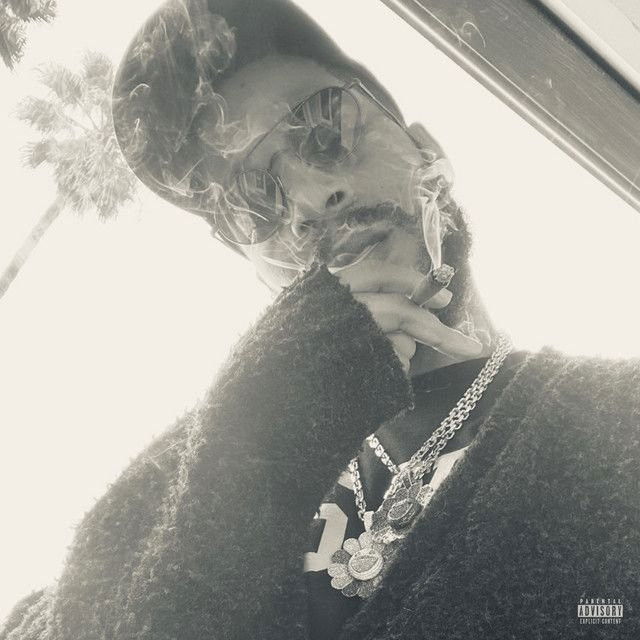
Leader Of The Delinquents by Kid Cudi
Cudi’s 2020 single is both a check-in and a charge. It starts like a diary entry and ends like a banner for a community that has leaned on him for a decade.
"Leader Of The Delinquents" - Kid Cudi
This is not a test (mmh), check
Easy does it (just turn my headphones up a little bit)
Loading lyrics...
Unable to load lyrics
We're unable to display the lyrics at this time. Please try again later.
Hello friends, Cudder again
Gotta smack 'em with some... before the world ends
Those opening bars set the tone: familiar, urgent, and personal. They invite listeners into his head, then promise action.
What This Confession Really Means
The meaning of Leader Of The Delinquents Kid Cudi centers on owning imperfection and turning vulnerability into purpose. Early on, he admits being trapped in my mind
and pairs it with fame and loneliness
. That contrast—public success versus private battles—drives the song’s tension.
Interpretation: Cudi reframes alienation as leadership. The repeated tag leader of the delinquents
doesn’t glorify bad behavior; it embraces the misfit identity. He leads by example: speaking openly about self-destructive thoughts, then choosing to keep going.

Watch the official Leader Of The Delinquents
music video
A Voice for Outsiders, Not a Rapper’s Rapper
Critics framed the track as a return to bars-focused rapping and the candid voice that first earned him a following. The delivery is confident without losing tenderness. He flexes, jokes, and confesses in quick turns, the way anxious thoughts and bravado often mingle.
Interpretation: Calling himself a leader underscores responsibility. He knows fans look to him for language around pain and survival. When he notes why “kids love” him, he’s acknowledging the bond that powers his longevity.
Why the “leader” tag matters now
Released in 2020, the song arrived when isolation and uncertainty were widespread. Owning the role of “leader” in that context felt like a hand on the shoulder: a reminder that community can form around honesty, not perfection.
The Narrator’s Arc in Three Scenes
- Restless creation: He stays home, making songs and “waves,” scanning a “new landscape.” The studio becomes a refuge and a mirror.
- Dark admissions: He confesses violent ideation and anger, then looks for ways to
cope with my rage
. He’s not glamorizing it; he’s documenting the fight. - Grounding forces: Family and faith enter. He hears his father’s advice and says
my angels ride for me
—a vivid way to picture protection. - Reclaiming identity: The hook and closing flexes reassert purpose. He salutes past alter-ego terrain with
All hail King WZRD
, tying this rap return to his broader creative universe.
Symbols That Carry the Weight
- The mind as a trap: When he says he’s stuck in his head, the message is clear—mental loops can be prisons. Naming it is step one.
- Angels and dad: The spiritual and familial show up as guides. Interpretation: They stand for the support systems that pull him back from the edge.
- Speed and escape: His urge to “go fast” mirrors the search for relief. Interpretation: Momentum is medicine, but control matters.
- The “delinquent” label: It flips stigma. By wearing the word, he tells listeners that misfit status can be community, not a sentence.
How the Sound Frames the Story
The production threads classic Cudi textures—hums, shimmering keys, and airy strings—around a punchy, rap-first performance. The twinkling piano underlines the introspection while tight drums keep him locked into bar work. The contrast lets him pivot from confession to swagger without losing emotional throughline. Longtime collaborator Dot da Genius (Oladipo Omishore) is credited as a writer, and the track’s balance feels like their shared signature: melancholic color with forward motion.
Interpretation: The mix places his voice close, as if he’s right beside the listener. That intimacy is crucial; it makes the leap from private despair to public promise believable.
Cultural Context and Reception Snapshot
Upon arrival, many heard this as a back-to-basics Cudi moment—less psychedelic sprawl, more focused rapping, but with the same emo candor. Reviews highlighted how he pairs flexes with frank talk, turning contradictions into cohesion. It felt like a reminder of the pied-piper role he’s held for fans who grew up feeling othered.
Alternate Takes Worth Considering
- Interpretation: A sobriety-and-relapse map. The quick swings between boast and breakdown chart the tug-of-war that recovery can be.
- Interpretation: A mission statement for middle age in hip-hop. He honors youthful rebellion while adding accountability; leadership means surviving long enough to guide.
Takeaway and Listener Lens
The song’s power is its simple contract. He tells the truth about the worst thoughts, then chooses to live with them, not in them. That choice—and the community it creates—is the real meaning of Leader Of The Delinquents Kid Cudi.
Disclaimer: Song interpretations reflect critical analysis and informed opinion and may differ from the artist’s stated intent.








