Why "Soundtrack 2 My Life" Still Hits Hard
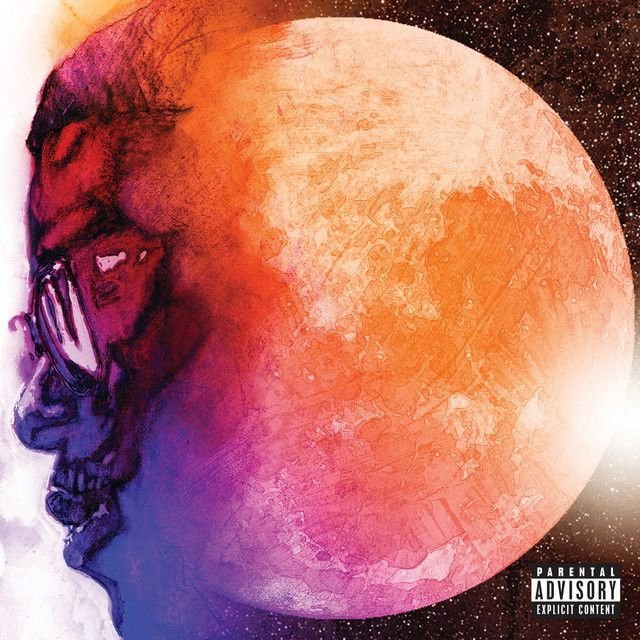
The meaning of Soundtrack 2 My Life Kid Cudi starts with a simple idea: they are turning pain into a personal theme song. As the opening track on Man on the Moon: The End of Day, released on September 15, 2009, the song works like a mission statement for the whole album. Factually, it appeared on Cudi’s debut studio album and was written by Scott Mescudi, Emile Haynie, and Matt Byrne, with Haynie producing the track.
"Soundtrack 2 My Life" - Kid Cudi
Wish I was Jigga man, carefree living
But I'm not Shawn or Martin Louie
Loading lyrics...
Unable to load lyrics
We're unable to display the lyrics at this time. Please try again later.
More important than the credits, though, is the mood. This is not a victory lap. It is a confession dressed like a rap song.
A Diary Entry Disguised as an Anthem
The song introduces a speaker who looks successful from the outside but feels deeply unsettled inside. Early on, they contrast public image with private hurt. When Cudi says by myself
, the line is less about being literally alone than about feeling emotionally unseen, even inside a family.
That is the key to the whole track. The verses move through childhood memories, grief, and adult anxiety, but the hook keeps translating those experiences into art. They admit they have issues that nobody can see
, then explain that the song is how those hidden feelings become visible.
Interpretation: the track suggests music is not just expression for Cudi. It is evidence that they survived what they felt.
Watch the official Soundtrack 2 My Life
music video
Family, Loss, and the Shape of the Wound
One reason the song feels so direct is that it ties emotional struggle to real biography. Cudi praises their mother’s work ethic and remembers the effort she made during hard times. That detail keeps the song from becoming vague sadness. It shows love and gratitude living right beside loneliness.
Then the song gets even more specific. They connect their paranoia and emotional instability to the death of their father. When they say since my father died
, the line explains a break in their life story. There is a before and an after.
That grief matters because the song never claims to have solved it. Instead, it shows what unresolved pain looks like over time: isolation, restless thinking, and an urge to numb the mind.
The Chorus Turns Pain Into Purpose
The hook is the emotional center of the song. Cudi says their emotions are pouring out of me
, and then gives that overflow a name: soundtrack to my life
. In plain terms, they are saying the music documents what daily life feels like inside their head.
This matters because the chorus reframes the verses. The song is not only about suffering. It is also about revealing suffering on purpose. That shift gives the track its power. Instead of hiding the mess, they bring it into the light.
I've got some issues that nobody can see
And all of these emotions are pouring out of me
I bring them to the light for you
It's only right
That short passage explains why so many listeners connected with Cudi in 2009 and after. He made alienation sound speakable.
Darkness, the Moon, and a Split Self
The imagery in the second verse deepens the song’s meaning. Cudi talks about being consumed by doom and places themselves on the dark side of the moon
. That phrase nods to Pink Floyd, but it also fits the album’s larger dream-space concept.
Interpretation: the moon imagery represents emotional distance. They are present in the world, but not fully part of it. The room is lit, yet they remain in shadow.
The song also keeps returning to contradiction. They want relief, but chase it through substances, fame, and fantasy. They sound proud in one line and broken in the next. Near the end, they claim happiness, then immediately undercut it as the saddest lie
. That reversal may be the song’s most brutal truth: sometimes the performance of being okay is its own kind of despair.
How the Production Carries the Message
Emile Haynie’s production is crucial to the meaning. The beat is not busy or celebratory. It feels spacious, heavy, and slightly haunted, giving Cudi room to sound isolated. The drums move steadily, but the overall atmosphere hangs like late-night thought.
That sonic design supports the lyric themes of insomnia, grief, and self-examination. Rather than overpowering the words, the instrumental lets them echo. The result is a rap song that feels closer to a solitary monologue than a crowd-pleasing single.
Factually, the track is often classified as alternative hip hop, which fits how it stretches rap toward mood, vulnerability, and melodic introspection. That style became hugely influential in the 2010s.
Context Makes the Song Even Stronger
Cudi once explained in a 2009 interview that he wrote the opening from an “ignorant standpoint” to show what someone thinks when backed into a corner. That comment helps explain the song’s sharp swings between bravado and pain. The aggression is not random. It is a defense mechanism.
Historically, the song also mattered because it opened Man on the Moon and helped define Cudi’s artistic identity. It later reached No. 5 on the US Bubbling Under Hot 100 and earned multi-platinum certification from the RIAA, showing that a deeply personal song could also have broad reach.
Why It Still Connects
The meaning of Soundtrack 2 My Life Kid Cudi endures because it tells the truth about emotional contradiction. They can be grateful and depressed, famous and lonely, self-aware and self-destructive at the same time.
That honesty is what still lands. The song does not offer a clean lesson. It offers recognition. For listeners who have ever felt invisible in plain sight, Cudi gives those feelings a voice and a beat.
Final Take
At heart, this song is about making art from wounds that do not heal neatly. It opens an album, but it also opens a person.
Disclaimer: This article offers interpretation based on the song’s lyrics, production, and public context. Meaning can vary from listener to listener.









