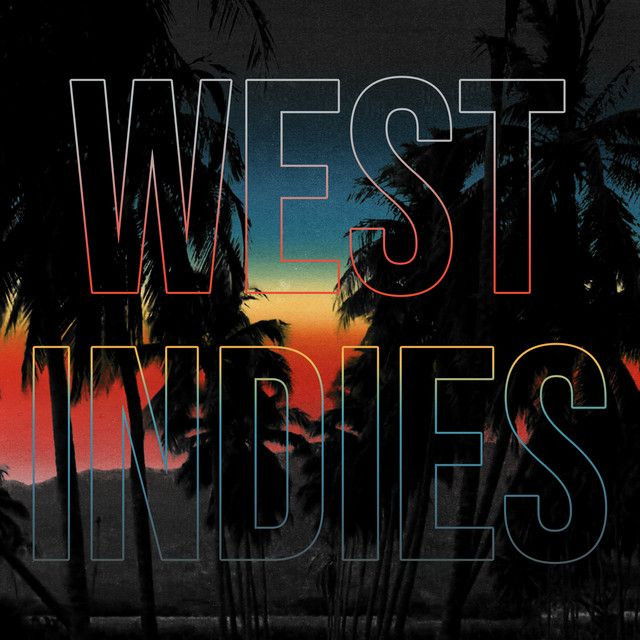
Why Koffee's “West Indies” Feels Like a Flag
The meaning of West Indies Koffee is bigger than a party track. On the surface, the song is playful, stylish, and built for movement. Underneath that energy, it works like a statement of pride: they frame West Indian identity as confident, fashionable, joyful, and impossible to ignore.
"West Indies" - Koffee
Who dem talk? Push, get deduct, yeah
(I-I-I-Io)
Loading lyrics...
Unable to load lyrics
We're unable to display the lyrics at this time. Please try again later.
Koffee, born Mikayla Victoria Simpson, broke through as a young Jamaican artist before releasing Gifted in 2022, the album that includes “West Indies.” They had already made history with Rapture, becoming the youngest winner of the Grammy for Best Reggae Album at age 19, according to Wikipedia. That context matters, because “West Indies” sounds like an artist who knows their platform and uses it to represent home with swagger.
More Than a Party Song
At its core, “West Indies” is about presence. When Koffee repeats coming from the West Indies
, they are not just naming a region. They are turning origin into authority. The hook says their culture brings the best indeed
, which makes the song feel like both a boast and a celebration.
That confidence shapes the whole track. They are not asking to be accepted. They are announcing that West Indian style already speaks for itself. The line about not wanting questions reinforces that stance: this is not a debate or an explanation. It is a declaration.
Interpretation: The song suggests that joy can be political in a soft way. Simply taking up space, looking good, and sounding sure of oneself becomes a form of cultural self-respect.
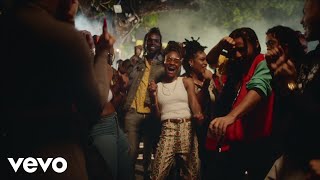
Watch the official West Indies
music video
The Chorus Turns Identity Into Motion
The refrain keeps returning to one simple desire: I wanna just party
. In plain terms, Koffee links freedom with movement, community, and release. The party is not empty here. It becomes the place where identity is lived out in public.
That idea grows stronger with lines like Fiesta forever
and when we're together
. Togetherness matters. The song does not sound lonely or private. It sounds communal, like a street scene or a gathering where fashion, rhythm, and shared background all blend into one atmosphere.
What the hook is really doing
The chorus does three jobs at once:
- It keeps the song light and catchy.
- It turns celebration into the main emotional goal.
- It frames West Indian culture as collective, not just individual.
So while the verses flex, the chorus explains why: the point is to live fully and publicly.
Style, Fashion, and Street Power
A big part of the meaning of West Indies Koffee comes from material details. Koffee mentions designer wear, watches, cars, and polished appearance. These are common symbols in rap and dancehall, but here they do more than show wealth. They show control over image.
When they mention Balenciaga pon mi structure
, the point is not only luxury. It is structure itself: how they carry themselves, how style sits on the body, how confidence becomes visible. The fashion references make the song feel modern and global, while the patois and local references keep it rooted in Jamaica.
That mix is part of Koffee’s wider appeal. Their music often blends reggae and dancehall foundations with pop and rap crossover energy, as noted in Wikipedia. “West Indies” uses that same blend to say a local identity can move through global spaces without losing its accent.
Place Names Keep the Song Grounded
One of the smartest things in the song is how often it returns to place. References like Jack’s Hill and concrete streets make the track feel lived-in. These are not vague brag lines. They point back to real environments and social texture.
That matters because the song could have floated away into generic luxury talk. Instead, Koffee keeps tying status back to neighborhood energy, local style, and regional roots. They are saying success does not erase where they come from. It amplifies it.
Interpretation: The phrase about set concrete
hints at toughness and foundation. The image suggests a place that formed them, not just a backdrop they escaped.
How the Sound Carries the Meaning
The production supports every one of these themes. “West Indies” moves with a crisp, springy rhythm that pulls from dancehall but leaves room for pop polish. The beat feels light on its feet, which matches the song’s focus on fashion, motion, and effortless cool.
Koffee’s delivery is just as important. They switch between melodic ease and clipped, confident phrasing. That vocal style lets the song feel both friendly and untouchable. They sound like someone enjoying the night, but also fully in command of the room.
There is also a strong call-and-response feel in the repeated background parts, especially the we up 'ya
moments. Those bits make the track feel shared rather than solo. The record becomes a group energy machine, which deepens its message of collective pride.
A Career Context That Sharpens the Song
“West Indies” arrived ahead of Gifted, Koffee’s debut studio album, which was released on March 25, 2022, per Wikipedia. By then, they were already seen as one of Jamaica’s key crossover artists, connecting reggae and dancehall traditions to wider pop and hip-hop audiences.
That career position helps explain the song’s tone. Koffee is not introducing themselves here. They are asserting a role. The song feels like the sound of an artist representing home on a larger stage and doing it without apology.
Final Take: A Celebration With Purpose
So, what is the meaning of West Indies Koffee? It is a celebration of West Indian identity as style, movement, community, and pride. The song uses partying as the surface language, but its deeper message is about cultural confidence.
Koffee makes the local feel international without flattening it. They do not translate the culture to make it easier. They let it arrive with its own rhythm, its own phrases, and its own attitude. That is why “West Indies” lands like more than a vibe. It lands like a flag.
Disclaimer: This interpretation is based on the song’s lyrics, sound, and publicly available artist context. As with any art, listeners may hear different meanings.









