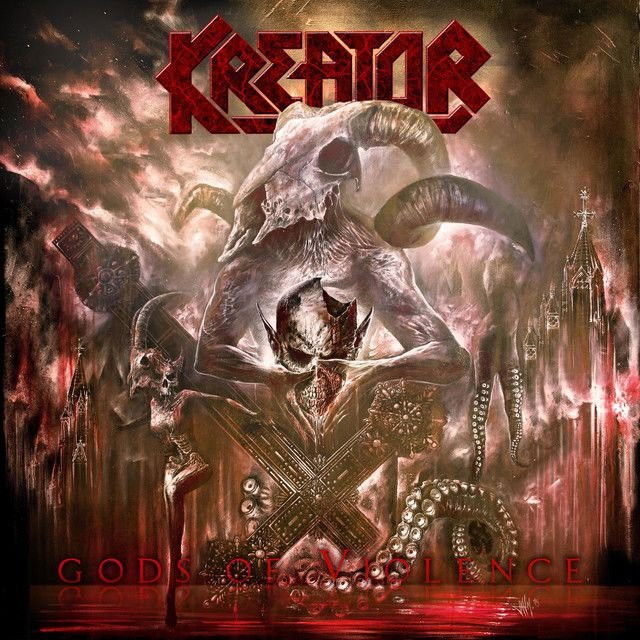
Why Kreator’s "Satan Is Real" Hits So Hard
The meaning of Satan Is Real Kreator starts with a simple shock tactic and then moves past it. The title sounds blunt and extreme, but the song itself reads less like a literal statement of theology and more like a furious warning about human evil. In Kreator’s hands, “Satan” becomes a symbol for tyranny, disaster, manipulation, and the violence people allow to spread.
"Satan Is Real" - Kreator
You cannot kill us all
Vengeance will come as a shock
Loading lyrics...
Unable to load lyrics
We're unable to display the lyrics at this time. Please try again later.
As a German thrash metal band led by Mille Petrozza, Kreator have long mixed speed, aggression, and political edge in their work. This song fits that tradition. It uses dark religious language to talk about very real social collapse, not just horror for horror’s sake.
The Core Message Beneath the Title
At its heart, the song says evil is not distant, mythical, or safely locked in old stories. It is active in the world now. The repeated hook Satan is real
works like an alarm siren. The point is not subtle, but it is effective: stop pretending cruelty is abstract.
The verses support that idea by showing a world shaped by oppression and backlash. Phrases like Martyrs
and You cannot kill us all
suggest people under attack who still refuse to disappear. That gives the song a resistance theme, not just a doom theme.
Interpretation: The title figure of Satan seems to stand for systems of domination and the human hunger to control, punish, and destroy. The lyrics connect that force to public suffering, especially when they pair it with ideas like tyranny and catastrophe.
Watch the official Satan Is Real
music video
A Collective Voice of Defiance
One of the strongest features in the lyrics is the voice. They do not sound private or confessional. They sound public, almost militant. The use of “us,” “we,” and direct commands creates the feeling of a group speaking back to power.
That matters because it changes the song from simple darkness into confrontation. When the lyrics say Open your eyes
, they are not just describing evil. They are demanding recognition. The song wants listeners to see the world clearly and stop accepting false comfort.
From Victims to Fighters
The first half of the song moves from persecution to resistance. The speaker begins in a threatened position, then answers with survival and revenge. Even the violent imagery feels strategic. It tells listeners that oppression creates backlash.
This is a classic thrash metal move: identify a corrupt force, expose it, then answer it with sonic and lyrical rebellion.
How the Verses Build a World in Crisis
The song’s images are brief, but they connect well. They move through a landscape of death, deception, temptation, and renewal. A line about a coming day when survival fails paints a near-apocalyptic future. Then another section imagines A brand new sun
, which suggests rebirth after destruction.
That contrast is key to the meaning of Satan Is Real Kreator. The song is bleak, but not hopeless. It sees evil as powerful, yet not final.
Human catastrophe
Open your eyes and you'll see
Those short lines capture the song’s basic motion: first, name the disaster; second, force awareness. In plain terms, the band suggests that horror continues when people refuse to recognize it.
What “Satan” Likely Symbolizes Here
There are at least two strong ways to read the central image.
Interpretation 1: Political Evil
The clearest reading is political and social. The song links Satan to tyranny, lies, blind leadership, and mass suffering. That makes the figure a metaphor for authoritarianism and collective moral failure.
Seen this way, the lyrics are saying that the devil is not hiding underground. He appears in regimes, ideologies, and social systems that grind people down.
Interpretation 2: Human Nature Unmasked
A second reading is psychological. The song may also be saying that humanity carries its own destructive force within. Temptation, cruelty, vengeance, and collapse all come from human choices. Satan, then, is a name for the darkest side of the self.
These readings can work together. The personal and political often feed each other in metal lyrics.
Why the Music Makes the Message Stronger
Kreator are known for aggressive thrash metal built on fast riffing, precision drumming, and sharp vocal attack, as documented across the band’s official history and discography on Kreator’s official site and major music references like AllMusic. That style matters here.
The song’s likely impact comes from its relentless pace and repetition. A chorus this simple needs force behind it, and thrash provides exactly that. The guitars cut rather than glide. The drums push forward rather than swing. Petrozza’s delivery sounds like accusation more than narration.
This gives the title phrase a different meaning every time it returns. At first it shocks. Then it warns. By the end, it feels almost like a chant of recognition.
Artist Context Helps Explain the Song
Mille Petrozza, credited here as the writer, has often steered Kreator toward themes beyond pure gore or fantasy, touching on war, politics, and social decay across the band’s catalog, a direction reflected in biographies from Encyclopaedia Metallum and Britannica. That broader context helps explain why this song feels aimed at the world, not just at shock value.
So while the title may sound like old-school satanic provocation, the writing itself is more focused than that. It uses the image of Satan as a shortcut to discuss visible evil in public life.
Final Take on the Meaning
The meaning of Satan Is Real Kreator is best understood as a protest song in extreme-metal form. It argues that evil is not imaginary. It lives in tyranny, deception, blind obedience, and human-made catastrophe.
Interpretation: The song’s real challenge is moral, not supernatural. They are telling listeners to face what is in front of them and decide whether to resist it.
Disclaimer: Song meaning is always open to interpretation. This reading is based on the lyrics provided, the band’s broader themes, and the song’s musical style.








