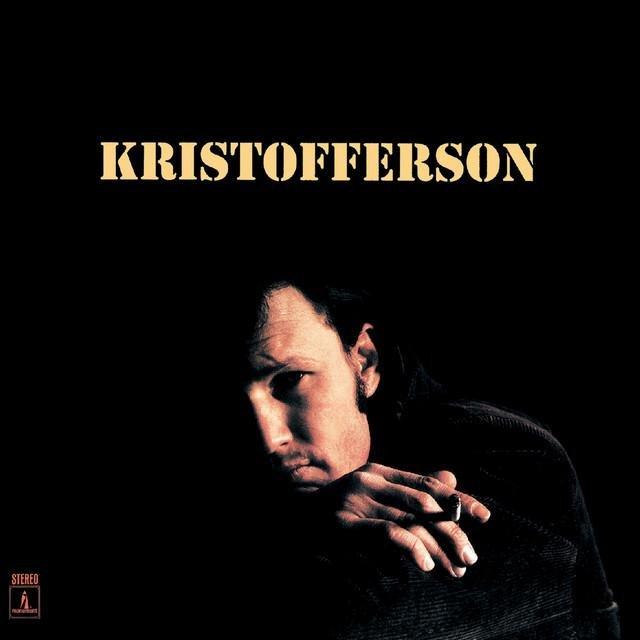
Why Sunday Mornin' Comin' Down Still Hurts
The meaning of Sunday Mornin' Comin' Down Kris Kristofferson lies in how a simple morning turns into a full emotional reckoning. This is not just a song about a bad hangover. It is a song about seeing ordinary life from the outside and feeling shut out of it.
"Sunday Mornin' Comin' Down" - Kris Kristofferson
With no way to hold my head that didn't hurt
And the beer I had for breakfast wasn't bad
Loading lyrics...
Unable to load lyrics
We're unable to display the lyrics at this time. Please try again later.
Written by Kris Kristofferson and famously recorded by Johnny Cash, the song became one of country music's sharpest portraits of loneliness and regret. Kristofferson's own songwriting legacy is widely documented by institutions like the Country Music Hall of Fame and major biographies from Britannica. What makes this lyric hit so hard is its plainness: nothing dramatic happens, yet everything hurts.
A Quiet Morning With a Heavy Head
The opening puts the listener inside a rough physical state. The narrator wakes up aching, reaches for more alcohol, and gets dressed in the most defeated way possible. The phrase cleanest dirty shirt
says a lot with very little. It suggests a person still trying to function, but only barely.
That balance matters. They are not fully giving up, yet they are far from healthy or hopeful. Kristofferson builds meaning through small actions: dressing, shaving, walking outside. Each step shows someone trying to meet the day while already beaten by it.

Watch the official Sunday Mornin' Comin' Down
music video
The Real Pain Is Emotional, Not Physical
Soon, the song moves beyond a hangover. The narrator notices a child, the smell of food, and the feeling of Sunday in the city. The line someone fryin' chicken
points to more than hunger. It evokes home, routine, and family life.
Interpretation: that smell acts like a memory trigger. It brings back a version of life that once felt reachable but now seems gone. Kristofferson does not explain exactly what was lost, and that gap is important. The song stays powerful because the missing thing could be family, faith, love, stability, or simply self-respect.
Why the Chorus Lands So Hard
The chorus gives the song its deepest truth. When the narrator says makes a body feel alone
, the loneliness sounds bigger than one bad day. Sunday becomes a symbol. In American life, Sunday often suggests rest, worship, family meals, and a slower pace. Here, those same associations make isolation more visible.
On the Sunday morning sidewalk
wishing, Lord, that I was stoned
Those lines are blunt, but their meaning is sad rather than glamorous. The wish is not really about pleasure. It is about escape. Interpretation: the narrator wants numbness because clear feeling is unbearable.
Little Scenes, Bigger Losses
One of the song's great strengths is how it strings together ordinary public scenes. A father and daughter in the park, a Sunday school song, and a far-off bell all deepen the central wound. These are not random details. They are signs of connection.
The narrator can see these moments, but they cannot join them. That is why the song feels so cinematic. They are moving through a world where everyone else seems attached to something meaningful.
The Bell, the Sidewalk, the Empty Street
Images like empty street
and sleeping city sidewalks
turn the setting into an emotional mirror. The city is not loud or chaotic. It is hushed. That quiet makes every absence ring louder.
Then comes the bell, echoing like old dreams fading away. Interpretation: the song suggests that regret is strongest when life slows down enough to hear it. Sunday morning gives the narrator no place to hide.
How the Country Sound Supports the Story
Even on the page, the lyric feels musical. But the song's country setting is a big part of its meaning too. Kristofferson wrote in a plainspoken style that fit the storytelling tradition of country music, and Cash's well-known recording leaned into that directness rather than dressing it up. Background summaries of the song's release and chart life appear in references such as Billboard and AllMusic.
The arrangement is typically understated, with a steady pace and room for the vocal to carry the story. That matters because the song is built on observation. A flashy production would weaken the effect. Instead, the restrained sound lets the listener sit inside the narrator's shame, fatigue, and longing.
Artist Context Makes the Lyric Even Richer
Kristofferson was celebrated for bringing literary detail into country songwriting, without losing plain speech. That reputation helps explain why this song feels so vivid. He does not tell the audience what to think. He lets setting and detail do the work.
There is also a wider country-music context here. Songs about drinking were common, but this one is less about rebellion than aftermath. That difference is key to the meaning of Sunday Mornin' Comin' Down Kris Kristofferson. It is about the moment after self-medication fails, when the world looks normal and the self does not.
Final Take on the Song's Meaning
At its core, the song is about loneliness made sharper by ordinary life. Sunday is not painful because it is sad by nature. It is painful because it highlights what the narrator no longer has, or believes they no longer deserve.
That is why the song lasts. It captures a feeling many people know: the moment when the world seems calm, decent, and connected, and they feel completely outside it.
Disclaimer: This interpretation focuses on the lyrics, common cultural context, and documented artist background. Like all great songs, it can support more than one reading.








