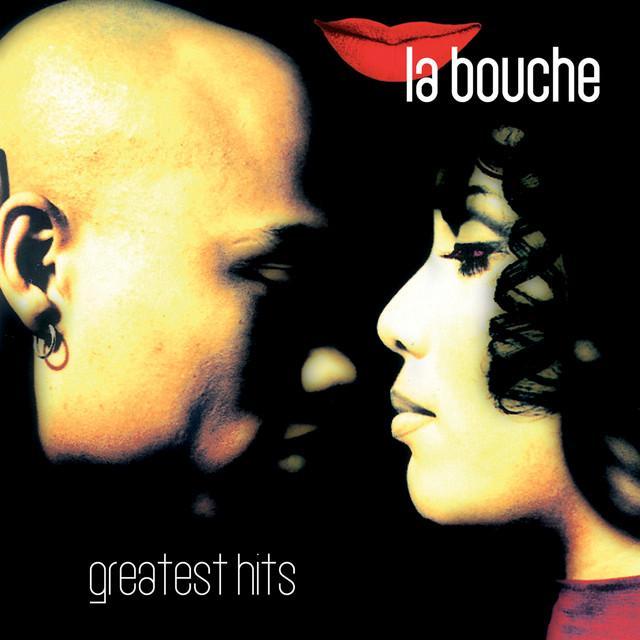
Why “Sweet Dreams” by La Bouche Still Moves
La Bouche’s “Sweet Dreams” sounds simple on first listen: a club anthem built for motion, release, and a long night out. But the meaning of Sweet Dreams La Bouche goes a bit deeper than a basic party song. It presents dancing as a way to escape stress, connect with other people, and find relief in the middle of the night.
"Sweet Dreams" - La Bouche
Sweet dreams of passion through the night
Sweet dreams are taking over
Loading lyrics...
Unable to load lyrics
We're unable to display the lyrics at this time. Please try again later.
Released on La Bouche’s Sweet Dreams album, the song arrived in the strong wave of 1990s Eurodance that mixed pop hooks, club beats, and bold vocal energy. That context matters. La Bouche often made music that was direct, physical, and uplifting, and “Sweet Dreams” fits that identity perfectly.
More Than a Party Track
At its core, the song says that rhythm can change a person’s mood. The opening hook, Sweet dreams of rhythm and dancing
, links pleasure with movement right away. Instead of treating dreams as sleep or fantasy, the song turns them into an active experience on the dance floor.
That idea keeps building through the verse. When the singer wants to get into motion
, they are not just talking about exercise or nightlife. They are looking for a shift in feeling, a way out of stillness, boredom, or pressure. The line about finding a better devotion
suggests that music becomes almost spiritual here: not religion exactly, but a force that gives shape and comfort to the night.
Interpretation: The song frames dancing as emotional survival. It is less about romance than about transformation through sound.
Watch the official Sweet Dreams
music video
Nighttime as Escape and Release
The repeated focus on “the night” is important. In many dance songs, nighttime means freedom from daytime rules, and that is true here too. The lyric idea is that once the music starts, problems shrink and the body takes over.
That feeling appears in the reassurance that everything will be alright once the groove settles in. The song does not explain what went wrong before. It does not need to. Its message is that rhythm itself can carry a person through uncertainty.
A quick emotional timeline
- The speaker begins with desire and restlessness.
- Music enters as the answer to that tension.
- The body responds, and movement creates relief.
- The crowd joins in, turning private emotion into shared energy.
That structure helps explain why the chorus feels so immediate. It is not telling a detailed story. It is showing a change in state.
What the Chorus Really Means
The chorus works because it is both catchy and symbolic. The phrase taking over
makes the feeling bigger than a casual good time. Rhythm becomes something powerful, almost unstoppable.
Interpretation: This is the heart of the meaning of Sweet Dreams La Bouche. The song imagines joy as a force that can overrun fear, stress, and isolation. “Sweet dreams” are not passive wishes. They arrive through beat, movement, and surrender to the moment.
There is also a smart contrast in the title. “Sweet dreams” usually sounds soft and sleepy, but La Bouche pairs it with high-energy dance music. That tension gives the song its identity. It is dreamy in mood, but physical in execution.
Body, Crowd, and Connection
Another key part of the song is how it moves from “I” to “we.” At first, the speaker talks about what they want from the night. Later, the track becomes communal, especially when it pushes listeners to keep moving and join the party.
That shift matters. A dance floor is one of the few pop settings where personal release and group identity happen at the same time. When the lyric says make your body move
, it sounds like a command, but also an invitation. The body becomes the place where emotion is processed.
There is also a flirtatious edge in the song, especially in the lines about taking someone home. Still, the song does not stay centered on romance. Desire is present, but it is folded into the larger thrill of the scene. The bigger goal is participation.
How the Sound Carries the Message
The production is a huge reason the song lands so well. La Bouche’s music is known for its Eurodance formula: a driving beat, bright synths, forceful hooks, and strong contrast between melodic singing and rhythmic vocal delivery. According to the album’s Discogs listing, “Sweet Dreams” sits in that polished mid-90s dance-pop world.
That sound reinforces meaning in three ways:
- Steady tempo: The beat feels continuous, which mirrors the idea of being carried through the night.
- Layered hooks: Repetition turns simple words into a kind of trance.
- Big vocal presence: The performance sells confidence, making the song feel larger than everyday life.
The non-lexical chant sections add to this too. They do not deliver detailed information, but they deepen the physical, universal side of the track. Listeners do not need to decode them. They just feel them.
A 1990s Dance-Pop Snapshot
Artist context helps. La Bouche, fronted by Melanie Thornton and Lane McCray, became one of the defining Eurodance acts of the decade. Their music regularly combined club intensity with crossover pop appeal, which is why songs like this could work both in nightclubs and on mainstream radio.
That crossover is part of the song’s meaning. It is built to be accessible. The lyrics are plain, the images are broad, and the emotion is immediate. Rather than telling one person’s complicated story, it creates a shared fantasy of release anyone can step into.
Final Take: Why It Endures
The meaning of Sweet Dreams La Bouche is ultimately about the healing power of rhythm. It treats dancing as a way to move through stress, find connection, and let the night feel full of possibility. That is why the song still works: it turns a simple club setup into a small statement of freedom.
Interpretation disclaimer: Song meaning can be subjective. This reading is based on the lyrics, performance, production style, and La Bouche’s dance-pop context, but listeners may hear different emotional shades in the song.







