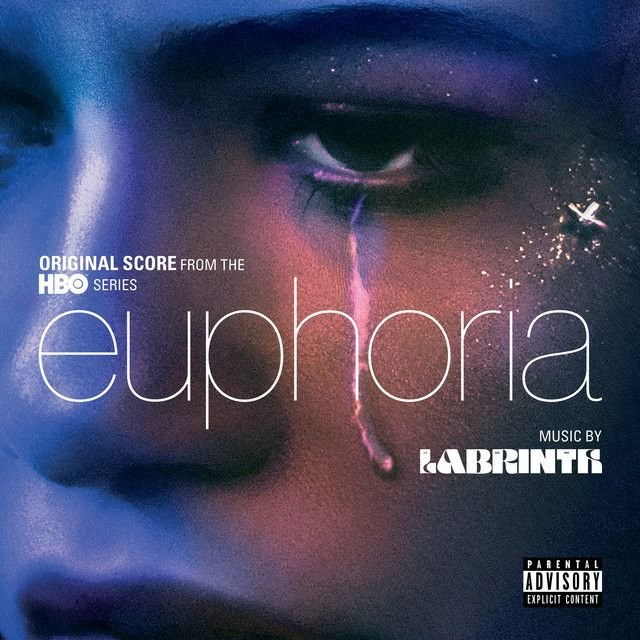
Still Don't Know My Name by Labrinth
The hook of Labrinth’s breakout score cut for Euphoria became a late‑night mantra across playlists and timelines. Many listeners search for the meaning of Still Don't Know My Name Labrinth intended: Why can someone be so close, yet not truly see you? The song answers with ache and grandeur, pairing gospel‑tinged choirs with rumbling bass to stage a plea for recognition.
"Still Don't Know My Name" - Labrinth
I did things to you only lovers would do in the dark
It made you a God
Loading lyrics...
Unable to load lyrics
We're unable to display the lyrics at this time. Please try again later.
A plea for recognition, not just touch
At the center is the line Still don't know my name
. The narrator has given a lot—emotion, intimacy, imagination—but their core self remains unnoticed. That disconnect powers the chorus, which lands not as a boast but as a wound.
Interpretation: The “name” stands for identity, care, and accountability. You can share a night or a fantasy, yet if the other person can’t hold your name, they haven’t held you. The song turns that realization into a refrain that refuses to be ignored.
Watch the official Still Don't Know My Name
music video
The voice behind the veil
The lyrics speak in first person to a specific “you,” creating a confessional tone. Early on, the narrator claims I took your heart
, then immediately questions what to say to “exist.” The contrast suggests they can spark passion yet struggle to be recognized as a full person.
When they whisper Stranger
, it names the paradox: closeness without knowing. The song traces the cycle—craving, imagining, performing devotion—and then hitting the same wall. It’s a simple story told with sharp, repeating images.
Touch, worship, and the cost of invisibility
Labrinth leans into charged language to show the imbalance. The pledge I would die your slave
is intentionally extreme. It shows a lover ready to surrender power to be seen, while also calling up the heavy history inside that word.
Interpretation: The line reads as critique, not celebration. It exposes how desire can push someone to self‑erase for approval. The religious language elsewhere—“priests, popes, and preachers”—adds another layer, hinting at shame, judgment, and the rules people break or bend to feel wanted.
Names, queens, and planets: decoding symbols
The phrase my Nefertiti
lifts the beloved into myth: a queen, timeless beauty, near‑divine. It frames desire as worship. But worship can blur actual seeing; the person becomes a statue on a pedestal.
Cosmic timing shows up in the planets alignin'
. That image suggests destiny—surely the moment is right—yet the chorus proves fate isn’t enough. Interpretation: These symbols reveal an idealized love hitting real‑world limits. Royalty, religion, and astrology all promise meaning, but the name—basic recognition—matters more.
Choirs, sub‑bass, and the ache in the mix
Musically, the track moves like a confession that swells into a public cry. Sparse keys and breathy leads widen into stacked harmonies and choral pads. The low end thunders, while claps and percussive hits create a ritual feel—part church, part club.
Fact: Labrinth (Timothy Lee McKenzie) wrote and produced the song for HBO’s Euphoria score album. As the show’s composer, they often blend gospel colors with electronic textures. Here, that blend mirrors the lyric tension: sacred language for a very human need to be known. The production gives the chorus a larger‑than‑life size, as if the world itself should learn the name the lover won’t say.
Two lenses that reshape the hook
Interpretation 1: A modern‑romance portrait. The song maps hookup culture’s promise—intense connection—against its cost: anonymity. You can share bodies and fantasies, but not lives.
Interpretation 2: An artist‑fan parable. The crowd feels the music, yet many don’t know the person behind it. Within Euphoria’s world, it also reads like a character’s inner monologue—adoring, conflicted, and unseen.
Both lenses keep the same core: desire colliding with invisibility. That’s why the hook stings the same on speakers, in scenes, and on social feeds.
Takeaway: the need behind the name
If you’re chasing the meaning of Still Don't Know My Name Labrinth captures, start here: a name equals presence. The song reminds them that worship, timing, and fantasy don’t replace being known.
Disclaimer: This analysis blends factual context with interpretation. Your own reading may differ based on experience and focus.








