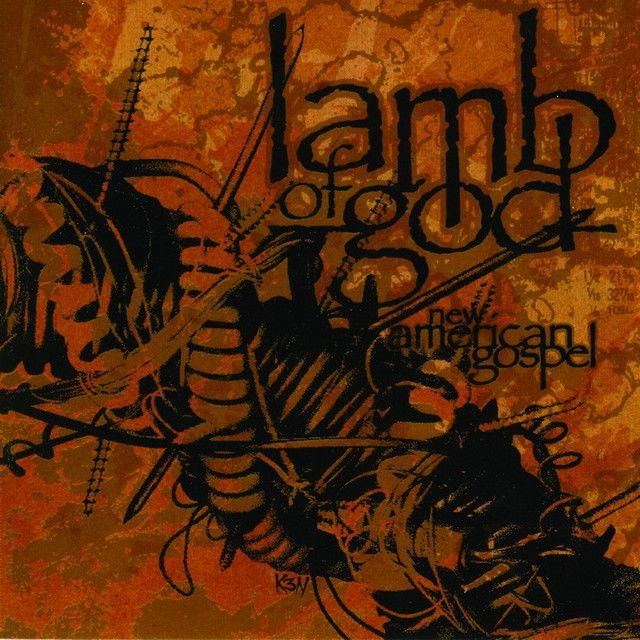
Confessional by Lamb of God
A Brutal Song About Truth Used as a Weapon
The meaning of Confessional Lamb of God centers on what happens when honesty does not bring freedom. Instead of relief, the song imagines confession as exposure. The speaker opens up, hands over something private, and then feels judged, controlled, and left alone.
"Confessional" - Lamb of God
Traces of future.
Your past will rise haunting you again.
Loading lyrics...
Unable to load lyrics
We're unable to display the lyrics at this time. Please try again later.
That idea fits the title well. In many religious traditions, confession is tied to repentance, absolution, and reconciliation. It is usually meant to restore the person who speaks. Broadly, confession has long been understood as admitting wrongdoing in hopes of forgiveness and peace. Here, Lamb of God flip that tradition on its head. The song turns confession into a scene of dread rather than healing.
Watch the official Confessional
music video
Where the Lyrics Point the Listener
The opening lines throw the listener into decay and unease. Phrases like Intrinsic rot
and Sections of horror
suggest corruption that starts deep inside. This is not a surface problem. It feels built into the body, the mind, or the past.
The song then links that inner rot to memory and consequence. When it says the past will return to haunt the speaker, it frames guilt as something alive. Confession does not erase it. If anything, speaking it aloud seems to wake it up.
That is why the lyric it will find you anyway
matters. The speaker may not fully understand what they fear, but they know it is coming. The song captures the panic of waiting for punishment, even before it arrives.
The Central Emotional Turn
The clearest statement comes in the admission itself. The speaker says, in effect, that they have revealed a sickness and surrendered power. The short line I've confessed this disease
is important because it frames the problem as both moral and physical. A disease spreads, weakens, and marks the body. In this song, confession is not clean and spiritual. It is infected.
Then comes the real twist: the confession gives someone else leverage. The line Handed you a key
suggests voluntary access. The speaker trusted another person with their secret, but that trust becomes dangerous.
From there, the song grows more hostile. The confession becomes fuel for cruelty, not compassion. The speaker feels studied, punished, and broken down. By the end, the emotional result is plain: I'm alone
.
Who Seems to Be Speaking Here?
Interpretation: The song sounds like one person addressing another person who now holds power over them. That second figure could be:
- a manipulative partner
- a religious authority
- an abuser
- the speaker's own conscience
All four readings work because the lyrics stay abstract. They never lock the story into one setting. That ambiguity is one reason the song hits hard.
Symbols of Flesh, Metal, and Fear
Lamb of God fill the song with images that feel organic and industrial at the same time. Nerves, vines, glue, steel, and rot all mix together. That blend matters.
Interpretation: Organic images suggest vulnerability and pain. Industrial images suggest confinement and force. Put together, they create the feeling of a person trapped inside a system of judgment.
The title also adds another layer. A confessional, in religious use, is often a protected place for speaking guilt in search of forgiveness. The song uses that association but empties it of comfort. Instead of absolution, the speaker gets exposure.
How the Music Carries the Meaning
Even without long lyrics, the band’s style helps explain the message. Lamb of God are known for groove-heavy American metal built on sharp riffs, hard rhythmic stops, and intense vocals. That musical language fits this song's psychology.
The guitars feel mechanical and punishing, which mirrors the steel-and-dissection imagery in the words. The drums drive the song forward like pressure building in the body. Randy Blythe’s voice does not sound relieved or cleansed. It sounds cornered, furious, and raw.
That matters for the meaning of Confessional Lamb of God because the performance makes confession sound like combat. The speaker is not calmly reflecting. They are surviving the aftermath of disclosure.
A Short Map of the Song's Story
The song can be understood in four steps:
- The speaker begins in corruption and dread.
- The past rises and becomes impossible to avoid.
- They confess and give someone access to their weakness.
- That trust is twisted into punishment and isolation.
Punish me for my failure.Dissect my faith.
Those brief lines show how deeply the confession damages the speaker's sense of self. It is not only behavior being judged. It is belief, trust, and identity.
The Strongest Interpretation
The strongest reading is that the song is about betrayal after vulnerability. Someone admits their damage, guilt, or weakness, hoping to be understood. Instead, another person uses that confession to dominate them.
A second reading is more internal. Interpretation: the other voice may be the speaker's own mind. In that version, confession does not lead to release because self-hatred turns every admission into another form of punishment.
Both readings fit the song's harsh, compressed language. Either way, the emotional truth stays the same: honesty can feel terrifying when the world around it is cruel.
Why the Song Still Lands
What makes "Confessional" memorable is its refusal to treat confession as simple healing. Many people know the hope behind confession: say the truth, lighten the burden, begin again. This song asks what happens when that hope fails.
Lamb of God answer with a bleak but powerful image of trust turned into control. The result is a song about guilt, exposure, and the fear that once another person knows the worst thing about someone, they may never let them forget it.
Disclaimer: This interpretation is based on the released lyrics, the song’s title, and Lamb of God’s musical style. As with many metal songs, some meanings remain open to listener interpretation.