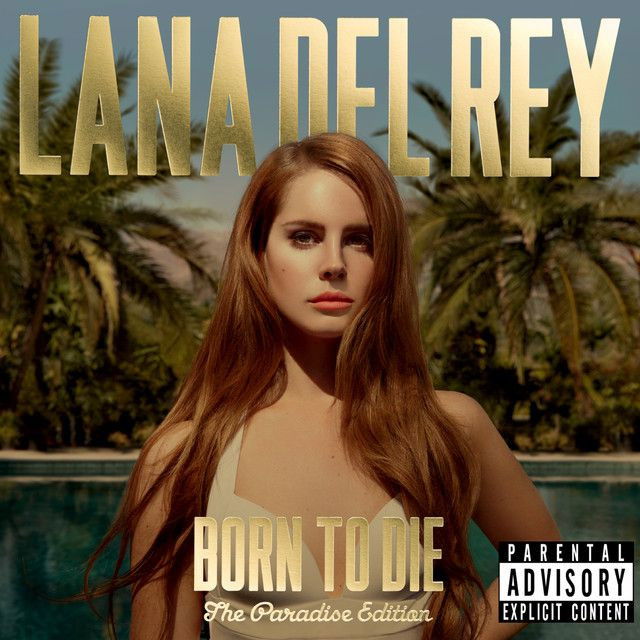
Born To Die by Lana Del Rey
Why This Song Still Feels So Big
The meaning of Born To Die Lana Del Rey starts with a simple but heavy idea: love can feel eternal even when the people inside it know it cannot last. The song is not just sad for effect. It stages romance as something glamorous, reckless, and already touched by loss.
"Born To Die" - Lana Del Rey
Who, me? (Louder)
Why? (Got that?)
Loading lyrics...
Unable to load lyrics
We're unable to display the lyrics at this time. Please try again later.
Released as the title track from Lana Del Rey’s 2012 major-label debut, the song helped define the album’s cinematic style. It arrived during a pop era dominated by brighter dance music, so its slow pulse, orchestral drama, and fatalistic mood felt different.
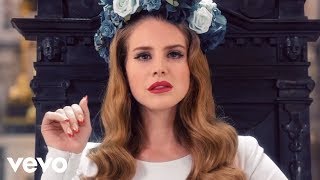
Watch the official Born To Die
music video
The Heart of the Story
A romance racing toward an ending
The narrator sounds torn between desire and dread. They want comfort, excitement, and belonging, but they also sense that this bond cannot fully save them. Early lines about movement and longing suggest a person trying to reach emotional safety, even as every step hurts.
That is why phrases like finish line
matter. It sounds like a goal, but it also hints at an ending. In this song, love and doom sit in the same image.
The same is true when the singer admits Sometimes love is not enough
. That line gives the song its emotional center. It cuts through the beauty and fantasy and says, plainly, that passion cannot fix every wound.
Chorus, Fate, and the Song’s Main Claim
The chorus turns a troubled relationship into a wider statement about life itself. Instead of saying only this couple is doomed, the song suggests everybody lives with endings built in.
Don’t make me sad
don’t make me cry
The road is long
we carry on
These lines frame life as endurance. Even when love disappoints, people keep moving. The famous title phrase, paraphrased rather than taken as pure despair, means humans enter love knowing it cannot defeat time.
Interpretation: this is why the song feels both romantic and cold. It offers intimacy, but never true safety. The couple can laugh, kiss, and escape for a while, yet they cannot escape reality.
Wild Beauty, Empty Streets
Images that carry the emotion
Lana Del Rey packs the song with visual contrasts. The city feels crowded but lonely. Rain feels sensual and cinematic. Nightlife promises relief, but not healing. When she sings about Friday-night isolation and wanting someone to make it feel like home, the relationship becomes a shelter built on unstable ground.
The phrase walk on the wild side
adds another layer. It suggests risk, rebellion, and a flirtation with danger. This is not safe, domestic love. It is performative, dramatic, and half in love with its own chaos.
Another revealing line is you like your girls insane
. Paraphrased, the song hints at a toxic dynamic where instability itself becomes desirable. The relationship feeds on intensity, not trust.
Artist Context Changes the Reading
Context matters here. Lana Del Rey wrote the song with Justin Parker, and the track was produced by Emile Haynie with Parker receiving additional production credit, according to the album’s track listing. In interviews from that era, Del Rey said parts of Born to Die were tied to her past struggles with alcohol and to her emotional connection with New York.
That does not mean the song should be reduced to autobiography. But it helps explain why the lyrics blur lover, city, and addiction. The “you” in the song can be heard as a person, a destructive habit, or even a whole lifestyle.
Interpretation: this layered address is one reason the track lasts. It is specific enough to hurt, but open enough for listeners to project their own story onto it.
How the Production Tells the Same Story
The sound is crucial to the meaning of Born To Die Lana Del Rey. The production mixes hip-hop-influenced drums with grand strings and a slow, heavy pace. That blend creates a push-pull between grit and glamour.
The strings make the relationship feel epic, almost tragic in a classic movie sense. The beat, by contrast, keeps it grounded in bodily impulse and repetition, like a cycle the narrator cannot quite leave.
Del Rey’s low vocal style also matters. She does not belt the song like a power ballad. Instead, she sounds detached, weary, and controlled. That calm delivery makes the emotions feel more dangerous, not less. Rather than exploding, the song seduces.
Reception and Lasting Influence
When Born to Die first arrived, critical reaction was mixed, though the album later gained strong retrospective praise. Over time, many critics came to see its mood-heavy style as influential, especially in shifting pop toward darker, more melancholic textures.
That broader legacy sharpens the title track’s meaning. “Born to Die” was not only a personal statement; it became a blueprint. Its mix of vulnerability, performance, sadness, and pop spectacle helped shape the 2010s.
The Best Way to Read the Song
The clearest reading is this: the song is about wanting love to feel like rescue while knowing it cannot stop suffering, change, or mortality. It is both sincere and self-aware. It knows the fantasy is fragile, but it dives in anyway.
That is why the song still hits. It understands that people often choose beauty even when they know it will hurt.
Disclaimer: This interpretation is based on the lyrics, documented artist context, and the song’s production and reception. Like most art, the song can support more than one valid reading.