Lolita by Lana Del Rey
The Fast Answer Behind the Fantasy
The meaning of Lolita Lana Del Rey centers on performance, desire, and control. On the surface, the song sounds bright and playful. They present a flirtatious speaker who knows how to attract attention, but who also draws a hard line: admiration is welcome, possession is not.
"Lolita" - Lana Del Rey
Could be kissing my fruit punch lips in the bright sunshine
'Cause I like you quite a lot, everything you got, don't you know?
Loading lyrics...
Unable to load lyrics
We're unable to display the lyrics at this time. Please try again later.
That tension matters. The song uses the loaded name “Lolita” not as a simple romance label, but as a cultural symbol of projected fantasy. Interpretation: Lana Del Rey appears to be playing with a male fantasy figure and then refusing to stay trapped inside it. The hook turns that push-pull into the song’s main idea.
Watch the official Lolita
music video
Why the Title Feels So Provocative
The title points to a famous and controversial literary reference. Vladimir Nabokov’s Lolita has long shaped how pop culture uses the word, often in ways that flatten it into shorthand for youth, seduction, and taboo. That baggage follows the song, whether listeners want it to or not.
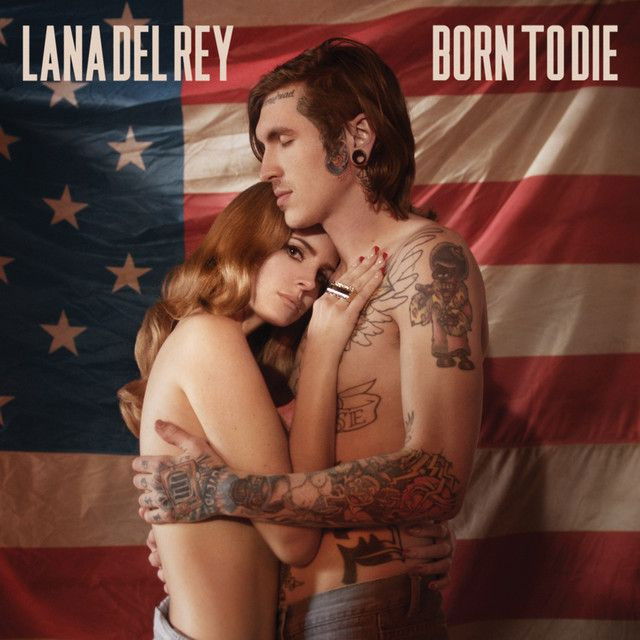
Lana Del Rey’s early work often explored American glamour, danger, and image-making, especially on the album Born to Die, which includes “Lolita.” Facts about the album’s release and credits are widely documented by sources such as Interscope and AllMusic. In that context, “Lolita” fits her larger interest in characters who are both desired and endangered.
A Narrator Who Knows the Game
The speaker is not innocent in the way outsiders might assume. Early on, they flirt openly, even boasting that boys fall like dominoes
. That image suggests power, not passivity. They know their effect on others.
But they also reject being available to everyone. When the chorus says I'm not gonna play
and later I'm not gonna stay
, the song changes from invitation to refusal. That is a key emotional switch. They can perform allure, but they still decide the terms.
The Relationship at the Song’s Center
The verses hint that the speaker is focused on one person instead of the crowd. They move away from casual attention and toward a chosen connection. The line about no more boys downtown
shows that shift clearly without making the song sound fully settled or safe.
Interpretation: This is not a simple love song. It sounds more like a fantasy of exclusive love that still keeps one foot in rebellion. They want romance, but not at the cost of freedom.
How the Chorus Rewrites the Story
The chorus is the song’s real engine. Repeating the name “Lolita” sounds catchy, but it also feels a little uncomfortable by design. It turns the speaker into a public image, almost like a nickname shouted by strangers.
That is why the refusal matters. The song says the crowd may whistle, stare, and assume they understand what the girl wants. They do not. The repeated boundary-setting gives the chorus its bite.
Hey, Lolita, hey
Whistle all you want
I'm not gonna stay
In plain terms, the song stages a public fantasy and then breaks it. That move is central to the meaning of Lolita Lana Del Rey.
The Images: Sun, Park, Dark, and Dress
Several images keep the song balanced between innocence and danger. Sunshine, parks, skipping rope, and sweet details suggest youth and play. At the same time, the repeated spelling of dark spaces and the nighttime setting push the song into secrecy and risk.
That contrast is classic Lana Del Rey. She often places beauty beside threat, making both feel stronger. Here, the speaker’s fruit punch lips
, bare feet, and short dress create a stylized image of girlhood. Yet the song never leaves that image untouched; it shows how public desire tries to claim it.
Interpretation: The imagery may be intentionally exaggerated to expose how femininity gets staged and consumed. The speaker seems to know they are being watched, and they use that fact rather than simply suffering under it.
What the Production Adds to the Meaning
“Lolita” is one of the more glittery, pop-leaning tracks from the Born to Die era. The production, associated with co-writer Liam Howe, favors bright beats, punchy rhythm, and a sugary surface that almost hides the darker undertone. Credits for the song are listed by databases such as Genius and Discogs.
That sonic contrast matters. The instrumental feels playful and immediate, while the words keep returning to performance, pursuit, and escape. Lana Del Rey’s vocal delivery also helps: they sound teasing in one moment and detached in the next. The result is a song that can feel fun on first listen and more uneasy after closer attention.
Pop Shine, Uneasy Core
The upbeat structure can make “Lolita” seem lighter than songs like “Born to Die” or “Blue Jeans.” Still, the emotional logic is similar. Desire is never just desire in her music; it is tied to image, power, and danger.
That is why the song has divided listeners over time. Some hear a catchy provocation. Others hear a critique of how young femininity is packaged. Both responses make sense because the track was built on that tension.
Two Strong Readings of the Song
There are at least two useful ways to read it:
- Performance of seduction: The speaker plays a glamorous, reckless character who wants love and excitement.
- Pushback against projection: The speaker takes on the “Lolita” label only to show that outsiders do not control them.
The best reading may combine both. They perform the role and resist it at the same time.
The Lasting Meaning of “Lolita”
In the end, the song is about the gap between being desired and being known. It dramatizes what happens when a woman is turned into a fantasy figure, then answers back with limits and self-definition.
That is why the meaning of Lolita Lana Del Rey still sparks debate. It is catchy, provocative, and unstable on purpose. Disclaimer: This interpretation blends documented context with critical reading, and song meaning can vary from listener to listener.