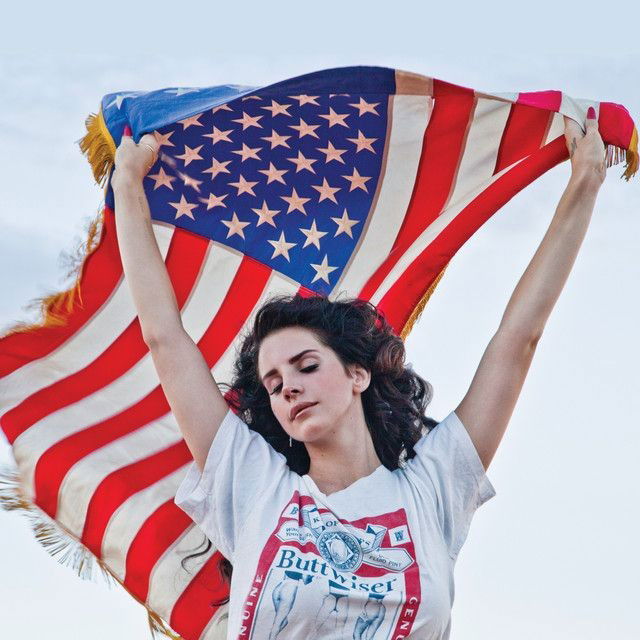
Ride by Lana Del Rey
Why the meaning of Ride Lana Del Rey still hits hard
The meaning of Ride Lana Del Rey comes down to a painful trade-off: freedom feels beautiful, but it also leaves the narrator isolated. The song presents the open road as escape, therapy, performance, and danger all at once. They are not simply singing about driving. They are singing about movement as survival.
"Ride" - Lana Del Rey
You can be my full time, daddy, white and gold
Singing blues has been getting old
Loading lyrics...
Unable to load lyrics
We're unable to display the lyrics at this time. Please try again later.
Released in 2012 as the lead single from Paradise, “Ride” was written by Lana Del Rey and Justin Parker and produced by Rick Rubin. That context matters. Rubin’s sparse, cinematic style turns the song into something larger than a diary entry. It sounds like a confession playing out across a wide American landscape.
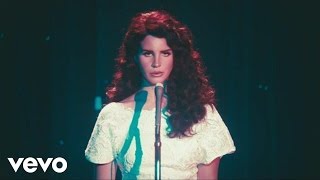
Watch the official Ride
music video
A portrait of freedom with a cost
On the surface, the song follows a traveler who keeps going, keeps searching, and keeps asking not to be abandoned. Under that surface, it is about emotional unrest. When the narrator says war in my mind
, the song makes clear that the real conflict is internal.
The road offers relief, but not peace. That is why the chorus lands so hard. I just ride
sounds simple, yet it feels like surrender. They cannot solve the chaos, so they keep moving through it.
Interpretation: the song treats freedom as both a choice and a compulsion. The narrator wants independence, but they also seem trapped inside that need for escape.
The speaker they create on the road
Lana Del Rey often writes in a voice that blends confession with character. “Ride” is one of the clearest examples. The narrator sounds intimate and direct, but also mythic, like someone turning their pain into a movie.
Early lines mix romance and instability. The phrase full time daddy
is not just flirtation. It suggests a desire for protection, money, status, or emotional shelter. At the same time, the song undercuts that fantasy by showing someone who cannot fully settle into safety.
Later, family history enters the picture. The reference to a father who made life into art connects risk, rebellion, and self-destruction. The song implies that the narrator inherited a taste for intensity, not stability.
How the verses build the song’s emotional map
The first verse sets up exhaustion. The narrator has been traveling, performing, and trying too hard. That makes the song feel less like carefree rebellion and more like burnout.
Then the imagery gets sharper: birds, summer air, speed, and midnight solitude. Those details create a classic American dream scene, but the emotional center is loneliness. Even in beautiful surroundings, they are alone.
I am alone at midnight
So I just ride
That short turn captures the song’s whole logic. Solitude leads to motion. Motion becomes a coping ritual.
By the final section, the mask drops further. The line feeling like I'm crazy
is blunt in a song full of glamorous imagery. Many critics noticed that directness. Pitchfork called it a rare moment of raw emotion. That reaction makes sense because the song stops stylizing pain for a moment and says it plainly.
Sound first, then meaning
“Ride” works because the production carries the same contradictions as the lyrics. According to the song’s credits and background, Del Rey first cut a demo called “Drive” before reworking it with Rick Rubin. The finished version stretches into a slow, swelling ballad with piano, strings, and a huge sense of space.
That sound matters. The arrangement feels open, like a highway with no end in sight. But it also feels heavy. The strings do not lift the narrator out of trouble; they deepen the drama around them.
Their vocal performance is key too. They sing in a smoky, weary tone that makes the song feel lived in. There is longing in the softer phrases and strain in the bigger ones. The result is a performance that sells both the fantasy and the damage.
The American dream, Lana-style
Part of the meaning of Ride Lana Del Rey is its use of American symbols. Cars, summer air, the highway, father figures, and self-invention all point to a distinctly American mythology. The song takes those images and asks what happens when freedom is real, but unstable.
This is one reason the track became so important in Lana Del Rey’s catalog. It expands themes heard in earlier songs like “Video Games” and “Born to Die,” but gives them more room to breathe. Here, glamour is thinner. The emptiness underneath is easier to hear.
The 10-minute Anthony Mandler video pushed this even further with spoken monologues and a wandering, cinematic storyline. Some viewers saw the imagery as empowering; others saw it as romanticizing self-destruction. Both reactions grew from the same tension already inside the song.
The clearest takeaway
“Ride” is about what it feels like to choose freedom when freedom is the only thing keeping a person together. It romanticizes motion, but it also admits why that motion is needed. The road is not just adventure. It is refuge.
Interpretation: the song does not fully celebrate or condemn this lifestyle. Instead, it lives inside the contradiction. That is why it lasts.
Disclaimer: This article offers an interpretation based on the lyrics, production, and public context around the song. Like all art, “Ride” can support more than one valid reading.