Why 'Panama City' Hits Harder Than Nostalgia
The meaning of Panama City Lee Brice comes down to one emotional twist: this is not just a beach-memory song. It is a song about how a perfect night survives in the mind, even after the relationship does not. The setting is sunburned, reckless, and cinematic, but the real subject is loss.
"Panama City" - Lee Brice
By the county line
Whipped out a fake ID
Loading lyrics...
Unable to load lyrics
We're unable to display the lyrics at this time. Please try again later.
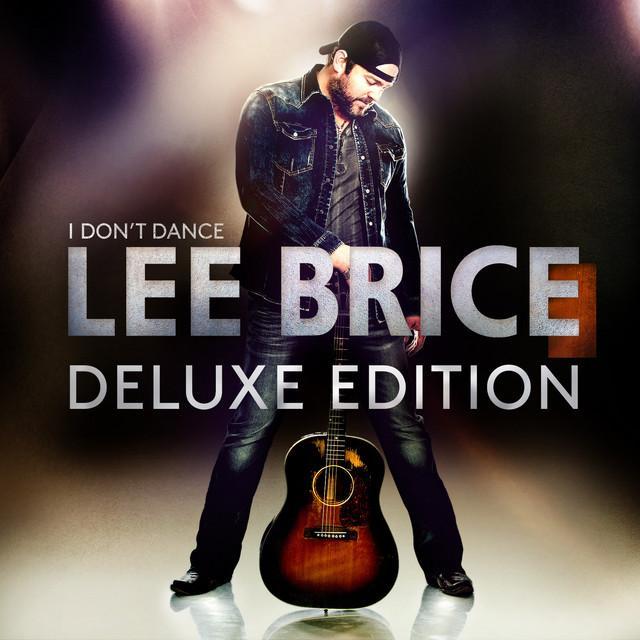
Lee Brice recorded the song as a country reflection on young love, and its writing credits go to Chris Tompkins, Josh Kear, and Mark Irwin. Those songwriters are known in Nashville for detail-heavy storytelling, which fits this track’s vivid scenes and emotional clarity.
A Summer Memory That Turns Into Grief
On the surface, the song tells a simple story. Two young people cross into adulthood for one night of freedom: fake IDs, alcohol, a beach fire, a car hood, a guitar, and the Gulf shore. The early verses make the evening feel bold and a little dangerous.
But the song’s deeper point appears later. The narrator does not only miss a place or a season. They miss the person attached to that season. That shift matters. The memory begins as an adventure and ends as a wound.
A key phrase is God I miss that summer
. Right after that, the song corrects itself emotionally: the summer is not the true loss. The person is. That is why the meaning of Panama City Lee Brice feels stronger than simple nostalgia.

Watch the official Panama City
music video
The Real Story Hidden Inside the Flashback
The lyrics unfold like a short film. They move in a clear arc:
- A risky teenage escape begins.
- The couple reaches the beach and builds a private world.
- The night becomes romantic and movie-like.
- One partner predicts the memory will fade.
- The older narrator looks back and realizes that prediction came true.
That fourth beat is the emotional hinge. The song pauses its dreamy tone and lets one line carry the theme:
Someday this moment will fade away,
Replaced by a photograph
That brief image gives the song its meaning. A photograph preserves appearance, not feeling. It can show sand, moonlight, and youth, but it cannot hold heat, laughter, or touch. The song suggests that memory works the same way: people keep the outline, while the life inside it slowly slips away.
Why the Chorus Feels So Big
The chorus is where the song turns from memory into myth. The couple on the hood of the car, the guitar, and the search for the stars all create a feeling larger than everyday life. When the song says midnight played like a drive in scene
, it frames the night as something staged by memory itself.
The references to Liz Taylor and James Dean deepen that idea. They are not there for trivia. They make the couple seem glamorous, doomed, and iconic in their own minds. Interpretation: the song hints that young lovers often act as if they are starring in a movie, because first love can feel bigger than reality.
That mood peaks in the line as much as I could at 18
. It is a humble phrase. The narrator is not claiming perfect love. They are admitting that teenage love is limited, sincere, and intense all at once.
Symbols That Carry the Song’s Weight
Several images do more than decorate the scene.
Beach and bonfire
The beach is freedom. It is outside rules, outside home, and outside adulthood. The bonfire adds heat and danger, matching the reckless choices at the start.
Car hood and guitar
These details place the song in a classic country storytelling frame. They make the moment feel handmade and personal, not luxurious. This is not fantasy through money; it is fantasy through youth.
The photograph
This is the song’s clearest symbol. It stands for memory after emotion has cooled. The picture remains, but the life around it is gone.
Sand everywhere
When the song mentions sand in your hair
, it captures how fully the night covers them. The place is not just around them; it clings to them. That makes the later loss feel even sharper.
How the Sound Supports the Meaning
Even without quoting much, listeners can hear how the production serves the story. The arrangement fits modern country: steady drums, warm guitars, and a vocal that sounds reflective rather than showy. The groove lets the memory drift in, while Brice’s delivery carries both smile and ache.
Interpretation: the song likely works best because it never rushes the emotion. It lets scenic details breathe before landing the heartbreak. The music supports that by staying open and warm instead of turning overly dramatic.
This balance matters. If the performance were too sad from the start, the memory would not feel alive. If it were too bright, the ending would not hurt. The song sits in the middle, where fondness and grief meet.
What Listeners Often Connect With
The song resonates because many people know this exact kind of memory: one night that seems to contain an entire age of life. Listeners may not share the same beach or same details, but they understand the feeling of looking back and realizing they remember the scene better than the person’s voice.
That is why the meaning of Panama City Lee Brice is broader than romance alone. It is also about time. Youth feels endless while it is happening, then suddenly it exists as an image, a joke half remembered, or a story told from a distance.
The Lasting Meaning of "Panama City"
In the end, "Panama City" is about a perfect night made fragile by time. It captures how young love can feel huge in the moment, then survive only in fragments.
Interpretation: the song’s most painful idea is not that love ended. It is that the narrator saw the warning while living the memory and still could not stop it from fading.
That reading is one informed interpretation, not a confirmed statement from the artist.








