
Apalachee Plain by Leif Vollebekk
The meaning of Apalachee Plain Leif Vollebekk comes down to a simple but moving tension: they are reaching for someone through memory while also admitting that some things cannot be changed. It is a love song, but not a neat one. Instead, it feels like a song about devotion after time has done its work.
"Apalachee Plain" - Leif Vollebekk
On the Apalachee Plain?
When I know it's been called
Loading lyrics...
Unable to load lyrics
We're unable to display the lyrics at this time. Please try again later.
As reported by American Songwriter, “Apalachee Plain” closes Vollebekk’s album New Ways, released by Secret City Records, and he wrote the song in one sitting before reshaping it from piano into acoustic guitar with harmonica, pedal steel, and layered vocals. That context matters because the finished track sounds immediate, like a thought caught before it fades. The same report notes harmonies from Angie McMahon and pedal steel from Cindy Cashdollar, both of which deepen its emotional pull.
A Love Song Built on Distance and Return
At the center of the song is a question about whether it is still right to call out to someone. The opening idea circles around naming a person again, even after that name may have been spoken many times before. When they sing call your name
, the phrase is not just about speech. It suggests desire, memory, and maybe prayer.
Interpretation: the “Apalachee Plain” feels less like a literal map point than a wide emotional landscape. It gives the song a frontier scale. The speaker sounds small inside it, but the feeling is huge.
There is also humility in that opening. They know they may be repeating an old act, yet they do it anyway. That makes the song feel honest rather than dramatic.
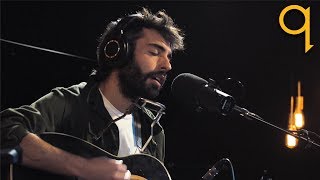
Watch the official Apalachee Plain
music video
Hope Without Control
The next section shifts from longing to advice. The speaker suggests that wishing is easy, but they also warn against getting trapped in sorrow. When they mention Wishing's easy
, the line does not celebrate fantasy for its own sake. It sets up a harder truth: hope is useful, but control is limited.
This is where one of the song’s biggest themes appears. Vollebekk’s narrator does not promise that desire will be rewarded. Instead, they move toward acceptance. If things work out, fine. If not, they still try to believe life has taken its course.
That emotional balance makes the song stand out. It is romantic, but it is not possessive. It lets love exist beside uncertainty.
The Mustangs Turn Memory Into Myth
One of the most vivid images comes with the horses in the field. In the song, the mustangs are tied to motion, vision, and a shared experience. Vollebekk told American Songwriter that he once saw a lone mustang while driving through the painted desert, and that image returned when he wrote the song. That real memory helps explain why the image feels so alive.
When the lyric brings up Mustangs are kicking
and being behind the wheel
, the scene becomes more than travel. It becomes a flashbulb memory. The speaker is not only remembering what they saw, but who was there with them.
The key detail is that the moment would not have felt the same alone. The companion is described as helping carry the emotional weight of the relationship. In plain terms, the song says love changes how the world looks. Even the wildness of horses becomes part of a shared story.
Intimacy in Small, Concrete Details
The song then narrows from open landscape to the private space of a bed. That move is crucial. It shows how Vollebekk balances cinematic scenery with domestic tenderness.
The request to lean closer and offer a familiar smile gives the song one of its warmest turns. The memory of seeing that grin with hair about our heads
is specific enough to feel real, but loose enough to stay dreamlike. This is not a grand declaration. It is a tiny remembered image that carries a whole relationship inside it.
Interpretation: this contrast between big nature imagery and close physical detail suggests that love lives in both realms. It can feel cosmic, but it is often remembered through small visual fragments.
The Ending Accepts What Cannot Be Rewritten
The final verse widens the timeline even more. The speaker says the other person was there before flood, drought, garden, and ashes. These images make the relationship feel ancient, almost biblical. The effect is not literal. It is emotional exaggeration used to express permanence.
Then comes the repeated admission that there is nothing I can change
. That line lands because the rest of the song has already shown wanting, wishing, and remembering. After all that movement, the ending stops still.
Before the flood, before the drought
Before the sunlit garden grew
Those two lines frame the relationship as something older than any single season of joy or loss. The final refrain then strips away illusion. The speaker cannot remake themselves to fix the past. They can only tell the truth.
How the Sound Carries the Meaning
The production helps explain the song’s emotional effect. According to American Songwriter, Vollebekk found the song’s shape only after moving from piano to acoustic guitar. That switch matters because guitar gives the track a grounded, road-worn country feel. Harmonica adds loneliness, pedal steel adds ache, and Angie McMahon’s harmony softens the edges.
This combination makes the song feel both earthly and distant. It sounds like a memory happening in real time. The article also notes that Vollebekk felt the video’s Icelandic landscapes helped him hear the song better afterward, especially McMahon’s harmony. That is a telling comment: the song seems built to hold both visual scale and emotional closeness.
Why the Song Stays With Listeners
The meaning of Apalachee Plain Leif Vollebekk endures because it never forces one answer. It can be heard as a song about lost love, lasting love, or the kind of bond that survives change but not untouched. What is factual is clear: Vollebekk wrote it himself, it closes New Ways, and its country-folk arrangement was central to its final shape. What remains is interpretation.
Their most convincing reading is this: the song is about remembering a love so deeply woven into a life that even acceptance feels intimate, not cold. They are not giving up on feeling. They are learning how to live beside it.
Disclaimer: This interpretation is based on the lyrics, available artist comments, and recorded context. Song meaning can remain open, and listeners may hear it differently.








