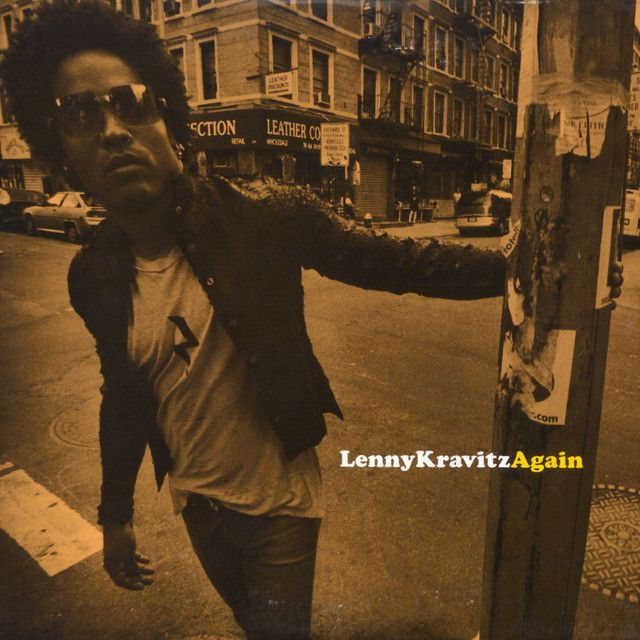
Again by Lenny Kravitz
The meaning of Again Lenny Kravitz comes down to one aching question: can lost love return, and would it still work if it did? The song takes a simple idea—missing someone deeply—and turns it into a power ballad about timing, hope, and emotional unfinished business.
"Again" - Lenny Kravitz
I heard a cry within my soul
I never had a yearning quite like this before
Loading lyrics...
Unable to load lyrics
We're unable to display the lyrics at this time. Please try again later.
Released in 2000 as the only new song on Kravitz’s Greatest Hits, Again
was written, arranged, and produced by Kravitz alone. It was originally meant for Lenny but was held back because it did not fit that album’s tone, according to background summarized by Wikipedia. That context matters: this is a standalone song, built to feel universal and immediate.
A Love Song About Distance, Not Closure
At its core, the song is about someone who has not fully moved on. The narrator has spent a long time carrying the memory of a person who still feels emotionally present. Early lines like searching for you
and a cry within my soul
frame the feeling as more than casual nostalgia. This is not a passing thought. It sounds like a need.
The verses suggest that the relationship is gone, or at least interrupted, but not emotionally finished. The singer is not just remembering the past. They are still imagining a future reunion. That is why the hook matters so much: see you again
is less a statement than a private obsession.
Interpretation: The song’s real drama is not breakup pain alone. It is the space between loss and hope, where someone keeps believing that love may come back if life gives it one more chance.

Watch the official Again
music video
How the Chorus Turns Hope Into Heartache
The chorus is repetitive by design, and that repetition is the point. Each return to all of my life
and the question of reunion makes the feeling stronger, not weaker. Instead of offering new information, the song shows how longing works in real life: people circle the same thought over and over.
There is also a small but important shift in the chorus. The narrator does not only ask whether they will meet this person again. They add the belief that we could win
. That line suggests unfinished possibility. They are not mourning a perfect ending; they are imagining the ending that never happened.
Where have you been
I wonder if I'll ever see you again
Those lines capture the song’s emotional split. One side reaches backward in confusion. The other reaches forward in hope.
The Imagery Feels Grand Because the Love Feels Idealized
Kravitz gives the missing person almost mythic weight. Phrases like sacred gift of heaven
and the image of a lonely queen
raise the relationship above ordinary romance. The loved one is not described in realistic detail. They are presented as rare, elevated, almost fated.
That makes the song feel larger than a diary entry. It sounds like a person trying to explain why they cannot let go. If someone seems heaven-sent, losing them feels bigger than bad timing. It feels like destiny interrupted.
Interpretation: This idealization may be sincere, but it may also show the narrator’s emotional blind spot. By turning the absent person into a symbol, they can keep the dream alive without facing the messy reasons the relationship failed or faded.
A Simple Story, Told Like a Prayer
Narratively, the song moves in a clear pattern:
- The narrator feels a deep internal pull.
- They imagine the loved one suddenly reappearing.
- They remember a bond that still feels special.
- They repeat the question of whether reunion is possible.
That structure is why the song lands so easily with a wide audience. There is no complicated plot. The emotional timeline is direct. Almost anyone who has lost touch with someone important can recognize it.
The wording also gives the song a prayer-like quality. The repeated wondering, the elevated imagery, and the lack of concrete detail make it feel like an appeal to fate as much as to the missing person.
Why the Sound Makes the Meaning Hit Harder
Part of the meaning of Again Lenny Kravitz comes from its sound as much as its words. The track is a mid-tempo rock and neo-soul ballad, around 3:50 in length, with a moderate pace and a polished but emotional build, according to the song’s documented release and composition details at Wikipedia.
Kravitz does not crowd the arrangement. The song leaves room for the vocal to carry the ache. The drums and guitars give it power-ballad lift, but the pacing stays controlled. That balance matters: if it were faster, the longing might feel less believable; if it were slower, it might drift into melodrama.
Their vocal approach is also key. Kravitz sings with restraint first, then gradually opens up. That arc mirrors the lyric’s emotional movement from private ache to full-throated need. The result is a song that feels intimate enough for a memory and big enough for radio.
Why It Connected So Strongly in 2000
Commercially, the song was huge. It reached No. 4 on the Billboard Hot 100 and won the 2001 Grammy for Best Male Rock Vocal Performance, continuing Kravitz’s remarkable streak in that category, as noted in the research summary and Wikipedia. It also became a major airplay hit across pop and adult radio.
That success makes sense. Again
arrived as a polished adult-rock ballad at a time when emotional crossover singles still mattered. It was romantic without being too specific, dramatic without being hard to follow, and catchy enough that its repeated hook could live on the radio.
Final Take on Its Lasting Pull
The lasting appeal of the song is its emotional honesty. It understands that people do not always want closure. Sometimes they want one more chance, one more meeting, one more answer.
Interpretation: The song is not really promising reunion. It is capturing the human habit of keeping love alive in imagination long after reality has gone quiet.
That is why the meaning of Again Lenny Kravitz still resonates: it turns a simple question into a full emotional world.
Disclaimer: This interpretation is based on the released song, documented background, and common critical reading. As with any lyric, listeners may hear it differently.









