Famous Blue Raincoat by Leonard Cohen
The meaning of Famous Blue Raincoat Leonard Cohen often starts with one simple fact: it is written like a letter. From the opening, the song feels private, late-night, and wounded. They hear a narrator reaching out to someone who has caused deep pain, yet the message is not only angry. It is also tender, confused, and strangely grateful.
"Famous Blue Raincoat" - Leonard Cohen
I'm writing you now just to see if you're better
New York is cold, but I like where I'm living
Loading lyrics...
Unable to load lyrics
We're unable to display the lyrics at this time. Please try again later.
A Letter That Holds Love and Betrayal
On the surface, the song tells a story about a triangle. The narrator writes to a man who seems to have been close to both them and Jane. The central wound is that this man affected the narrator’s relationship so deeply that Jane returned changed, almost unrecognizable.
That is why the song hits so hard. It never sounds like a simple breakup song. Instead, it sounds like someone sorting through old feelings at 4 a.m., trying to tell the truth without fully knowing what the truth is.
Interpretation: Many listeners hear the song as being about betrayal mixed with reluctant compassion. The narrator calls the man both my brother, my killer
, which captures the whole emotional conflict in one line. They feel closeness and harm at the same time.

Watch the official Famous Blue Raincoat
music video
Who They Are Speaking To
The song never explains the recipient in a direct way, and that mystery is part of its power. The person being addressed seems like a friend, rival, drifter, and emotional intruder all at once. He may have had an affair with Jane, or at least played a major role in ending the relationship.
The title image, famous blue raincoat
, helps turn him into a full character. The coat is not just clothing. It becomes a memory marker, the kind of detail people remember when a relationship has left a scar.
Why the Details Matter
Cohen fills the song with fragments: New York in winter, music on Clinton Street, a house in the desert, a lock of hair. These details make the song feel real, but they also work like memory flashes. The narrator is not giving a neat timeline. They are circling the past.
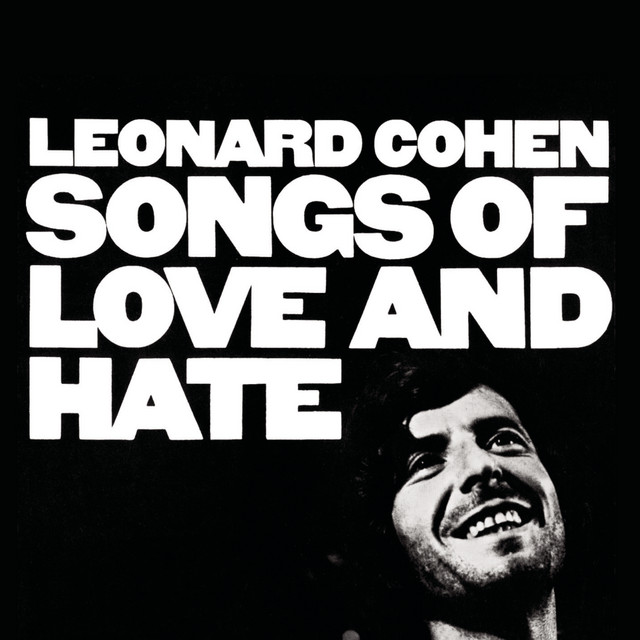
That fragmented style fits Cohen’s writing across his career, where songs often blend confession, poetry, and unresolved emotion. Cohen wrote and recorded the song for Songs of Love and Hate (1971), an album widely recognized as one of his darkest and most intimate works. The album details are well documented in major music references and Leonard Cohen archives.
The Story Beneath the Surface
A useful way to read the song is as a sequence of emotional beats:
- The narrator writes from a lonely, reflective place.
- They update the recipient on life and ask after him.
- They revisit the damage done to Jane and to the relationship.
- They move toward a closing note that sounds almost like forgiveness.
One of the most striking moments is when the narrator says Jane came back altered after being with this man. The song suggests that whatever happened was not just romantic. It was transformative.
Thanks, for the trouble
you took from her eyes
These brief lines are crucial. Paraphrased, the narrator is thanking the man for removing a sadness they believed would never leave. That is an astonishing emotional turn. Instead of only blaming him, they admit he may have given Jane something the narrator could not.
Sound That Feels Like 4 A.M.
The arrangement supports the lyric perfectly. The song is quiet, with a soft folk foundation and a hushed pace. The production leaves space around Cohen’s voice, making every word feel close and exposed.
There is also a gentle female vocal presence in the recording that adds to the haunted mood. Rather than sounding polished or dramatic, the track feels lived-in. That matters because the song is about emotional aftershocks, not theatrical confrontation.
Interpretation: The restrained performance suggests resignation. If the music had been louder or sharper, the song might feel bitter. Instead, it feels bruised and thoughtful.
Symbols That Carry the Song
Several images shape the song’s meaning:
The raincoat
The coat suggests identity, style, and damage. Because it is remembered as worn and torn, it hints that the man himself is broken, not glamorous.
The desert house
When the narrator mentions a place deep in the desert
, it suggests withdrawal, escape, or spiritual searching. The man seems to have left ordinary life behind.
Hair, trains, and night
A lock of your hair
is an intimate relic. Trains imply waiting, missed arrivals, and restlessness. The late-night frame makes the whole song feel like an unsent confession.
Why the Ambiguity Still Matters
Part of the meaning of Famous Blue Raincoat Leonard Cohen is that it refuses to settle into one clean answer. Some listeners take it literally as a letter to the man who helped destroy a relationship. Others hear a deeper split, as if the narrator is addressing another version of themselves: the self that wandered, betrayed, or escaped.
That second reading gains force from the strange tenderness of the closing. When the narrator says I miss you
and also suggests forgiveness, they sound less like a pure enemy and more like someone mourning a bond that still matters.
This is why the song lasts. It understands that real emotional pain is rarely simple. People can hate someone, love them, envy them, and thank them all at once.
Why It Endures as a Cohen Classic
Cohen’s best songs often turn private pain into something larger. Here, they make betrayal sound almost spiritual. The song is full of concrete details, but it never loses its mystery.
For many listeners in the United States and beyond, that is the lasting appeal. The song does not just ask what happened. It asks what remains after love, damage, and time have done their work.
Interpretation disclaimer: This reading is based on the song’s lyrics, recording, and known context. Because Cohen wrote with deliberate ambiguity, other interpretations can also be valid.







