Why 'Lovers and Friends' Still Feels Risky
The meaning of Lovers And Friends Lil Jon & The East Side Boyz, USHER, Ludacris comes down to one tense question: what happens when friendship turns physical, and can the relationship stay intact after that shift?
"Lovers And Friends" - Lil Jon & The East Side Boyz ft. USHER, Ludacris
Yeah man, once again it's on (it's on)
You know we had to do it again right?
Loading lyrics...
Unable to load lyrics
We're unable to display the lyrics at this time. Please try again later.
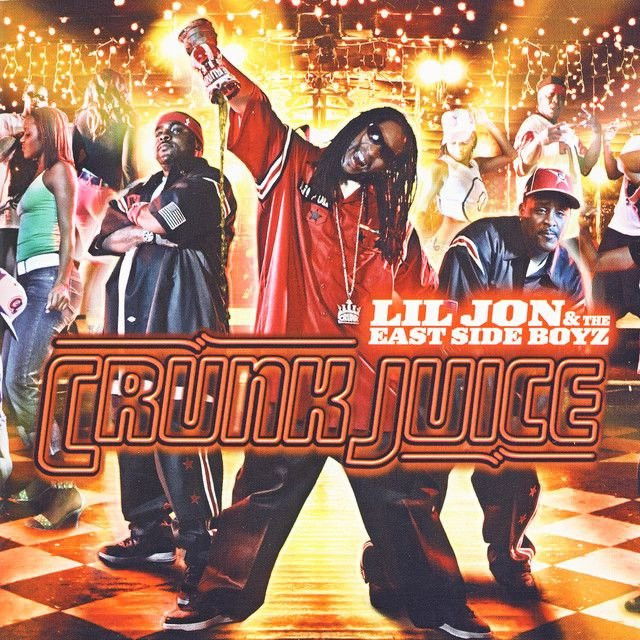
Released in 2004 on Crunk Juice, the song was a surprise because it came from Lil Jon, an artist strongly tied to crunk’s loud, aggressive party energy. Instead, this single slowed everything down into an R&B late-night mood. According to the song’s release history and credits, it was issued as the third single from the album, written by Lil Jon, Usher, Ludacris, and Michael Sterling, and produced by Lil Jon. It also reworks Sterling’s earlier song of the same name. Those details help explain why it sounds smoother and more nostalgic than many people expected from this team.
A Club Song About Crossing a Line
At its core, the track is about testing a boundary. The singers are not describing a long, stable romance. They are focused on the fragile moment before one kind of relationship becomes another.
Usher’s hook is the clearest statement of that idea. He asks to hear it again: lovers and friends
. In plain terms, they want reassurance before anything starts. The repeated request suggests doubt, excitement, and fear all at once.
That tension is what gives the song its staying power. It is seductive, but it is also uncertain. Even when the verses sound confident, the chorus keeps returning to one need: confirmation.
Watch the official Lovers And Friends
music video
Three Voices, Three Versions of Desire
One reason the song works is that each performer approaches the same situation differently.
Usher Brings the Emotional Hook
Usher opens with direct flirtation in a nightlife setting. The room is crowded, the chemistry is immediate, and he wants the other person to leave with him. But his verse is not only about lust. When he says tell me again
, the song shifts from pickup talk to negotiation.
Their performance makes that request sound softer than the verses around it. His voice, especially the airy high notes, creates the feeling that he is asking for emotional permission as much as physical access.
Ludacris Pushes the Song Toward Fantasy
Ludacris expands the idea of being both companion and lover. He imagines affection, playfulness, and intimacy in the same breath. That is important to the song’s meaning: he treats friendship and romance as roles that can blend together.
Interpretation: His verse also reveals the song’s biggest weakness. Some lines move from flirtatious to controlling, which can make the record feel less mutual than the chorus suggests. That tension has affected how some listeners hear it today.
Lil Jon Makes the Shift Explicit
Lil Jon’s verse is the most direct about history. He frames the woman as someone he has known for a long time, which makes the transition feel newly possible rather than long planned. When he says it never crossed my mind
, he presents the encounter as a sudden change.
That line matters because it turns the song from simple seduction into a story about altered perception. A friend is now being seen through a romantic lens.
The Chorus Is the Real Meaning
The hook is why the song endured. Many seductive tracks from the era focus only on confidence. This one keeps returning to uncertainty.
Tell me again
That we'll be lovers and friends
That short refrain is the emotional center of the record. Before or after any physical move, the speaker wants verbal confirmation. In that sense, the chorus is more vulnerable than the verses.
Interpretation: The phrase can be heard in two ways:
- They want romance and friendship to exist together.
- They know that becoming lovers may threaten the friendship, so they keep asking for reassurance.
That double meaning gives the song more depth than its club-ready image suggests.
Why the Production Changes Everything
The sound is a major part of the song’s appeal. Research on the single notes that it is built around a soft piano melody, with bass, guitar, and keyboards supporting a slow-jam structure. That matters because Lil Jon did not abandon his style so much as redirect it.
Instead of explosive chants and hard drums, they use space, glide, and polish. The beat moves like a ride home after the party, not the party itself. That makes the lyrics feel more intimate, even when they are blunt.
Critics were split at the time. Some praised the record as smooth and effective, while others saw it as obvious crossover bait. Both views make sense. It was commercially smart, but it also worked because the contrast was real: Lil Jon’s rough-edged brand meeting Usher’s silkier R&B approach.
Context Helps Explain Its Legacy
The song peaked at No. 3 on the Billboard Hot 100 and became one of the standout crossover hits of the mid-2000s. It also had a strange rollout: radio picked it up before a normal commercial single push was fully in place, and a planned video never happened because of label issues.
That backstory fits the song itself. It feels half spontaneous, half carefully designed. Even without a video, it lasted because listeners understood the setup immediately: friends, attraction, hesitation, decision.
Its afterlife proves the point. Later songs sampled or reworked it, and even the Lovers & Friends Festival borrowed the title. The phrase became bigger than the single because it captures a problem people recognize fast.
The Lasting Takeaway
The meaning of Lovers And Friends Lil Jon & The East Side Boyz, USHER, Ludacris is not just about seduction. It is about uncertainty at the edge of a relationship change.
The song asks whether desire can deepen a bond or damage it. That is why it still lands: beneath the smooth piano and glossy vocals, they are really singing about risk.
Disclaimer: This interpretation separates documented facts about the song’s release, credits, and reception from critical reading of its lyrics and themes. Meaning can vary from listener to listener.







