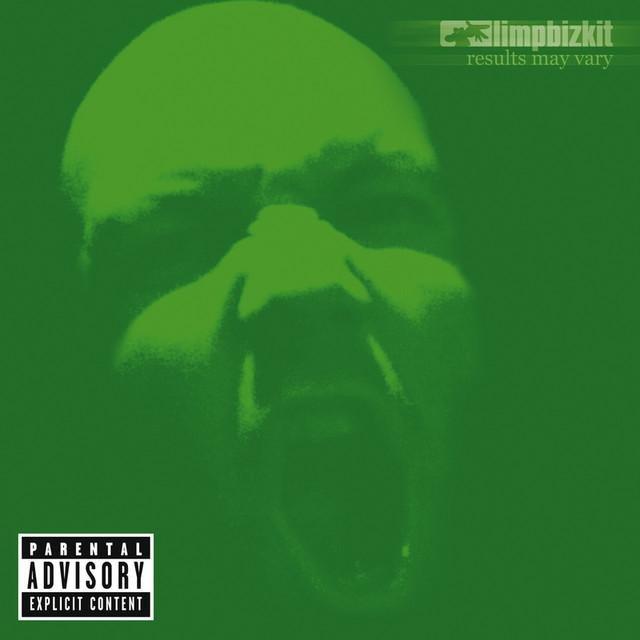
Almost Over by Limp Bizkit
A comeback song hiding inside a life story
The meaning of Almost Over Limp Bizkit starts with survival. On the surface, the song sounds like a loud, confident rap-rock track about proving doubters wrong. Under that, it is also a short autobiography. They move from childhood pain to adult success, then turn both into fuel.
"Almost Over" - Limp Bizkit
Took a lot of crap as a little boy
Always had to fight back as a little boy
Loading lyrics...
Unable to load lyrics
We're unable to display the lyrics at this time. Please try again later.
The verses look backward. They describe a kid who felt judged, boxed in, and ready to fight back. Then the song jumps to an older version of that same person, someone who has built a name but still feels attacked. That structure matters. It suggests that fame did not erase old wounds; it just changed their shape.
In simple terms, “Almost Over” is about carrying hurt for years and turning it into drive. It is not a sad confession, though. It is a statement of momentum.

Watch the official Almost Over
music video
How the verses build a personal timeline
One reason the song connects is its clear before-and-after design. They repeat the phrases about being a little boy
and then an older man
, which gives the song a life-story rhythm. The speaker is measuring growth, but also pointing out how much stayed the same.
As a child, the song presents them as mocked, angry, and creative. They learned to rap, got into punk, and felt pushed around. That mix is important because Limp Bizkit has always lived between scenes: hip-hop attitude, hard rock force, and punk rebellion. In that sense, the lyrics read like an origin story for the band’s whole style.
As an adult, the message becomes more complex. They have made it, but they still feel disrespected. The lines about pain, reputation, and people criticizing their game frame success as unstable. The speaker has won, but they still hear the crowd judging from the sidelines.
The chorus turns pressure into ambition
The hook is where the song shifts from memory to mission. Instead of staying in old damage, it keeps returning to a phrase about being ready to impress and overpower the audience. The repeated boast about blow their minds
makes the song feel less like therapy and more like a rallying cry.
That matters because the title phrase, it's almost over
, can sound negative at first. But in context, it is more urgent than hopeless. The end that is “almost over” may be the end of waiting, doubt, or being underestimated. The speaker hears inner voices pushing them to act now.
My life is one big dream
Don't wake me up
These voices in my mind
it's almost over
Paraphrased, the chorus suggests they are trapped between fantasy and reality. They want to stay inside the dream of success, yet they also feel time running out. That tension gives the song its pulse.
What “almost over” may really mean
Interpretation: There are at least two strong ways to hear the title.
First, it can mean a deadline. The speaker feels their moment has arrived, and hesitation would ruin it. In that reading, the song is about pressure, aging, and the need to make a statement before the window closes.
Second, it can mean the end of a bad chapter. The childhood memories, humiliation, and resentment are not gone, but they are close to losing their hold. The song becomes a declaration that the old story of being mocked is nearly finished.
Both readings fit the lyrics. The track lives in that overlap: a comeback song that also sounds slightly haunted.
Sound and production: why it hits so hard
Musically, “Almost Over” supports its meaning with blunt force. Limp Bizkit came out of the late-1990s rap-rock wave, and their catalog often balances groove with aggression. Here, the guitars hit in short, muscular bursts while the drums keep a stomp-like momentum. That makes the song feel physical, as if every line is pushing forward.
The vocal delivery also matters. Fred Durst does not sing these words with soft reflection. He spits and barks them, which turns memory into action. The chant-like call-and-response parts create a crowd feeling, as if private pain has become public spectacle.
That blend is central to the band’s identity. According to the band’s official site, Limp Bizkit built their sound by fusing rock, hip-hop, and high-energy performance. “Almost Over” leans into that formula, using repetition and swagger to keep heavy personal material from collapsing into self-pity.
Artist context sharpens the meaning
The song’s writing credits include William Frederick Durst, John Otto, Sam Rivers, and Mike Smith. That places it in a period when the band was navigating lineup shifts and trying to keep their signature sound alive. Their broader career, documented by AllMusic, has often been defined by backlash as much as popularity.
That history matters when listeners ask about the meaning of Almost Over Limp Bizkit. The song does not only talk about one person’s past. It also fits the band’s public story: mocked by critics, embraced by fans, and constantly pushed to prove they still matter.
Because of that context, the repeated confidence in the chorus can sound defensive as well as triumphant. They are not just celebrating. They are arguing for their place.
Final reading: wounded pride, still moving
In the end, “Almost Over” is about transformation without total healing. The speaker has grown from a hurt child into a seasoned adult, but they still carry anger, insecurity, and hunger. That is what gives the song its bite.
Interpretation: Its real power comes from how it mixes bravado with doubt. They sound sure of themselves, yet the chorus keeps hinting that time, memory, and inner noise are closing in. That makes the track feel more human than a simple victory anthem.
For many listeners, that is why it works. It turns old humiliation into motion, and it admits that even successful people can still be answering voices from long ago.
Disclaimer: This interpretation is based on the lyrics, known band context, and the song’s sound. As with any song, meaning can vary from listener to listener.