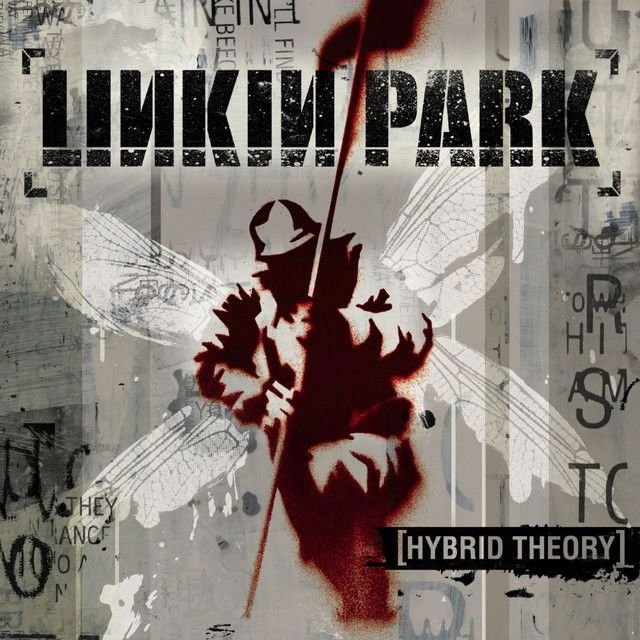
Points of Authority by Linkin Park
Why This Song Still Hits Hard
The meaning of Points of Authority Linkin Park centers on power, humiliation, and the way pain gets passed from one person to another. On the surface, the song sounds like a direct confrontation with someone controlling and cruel. Under that, it also describes a cycle: a person who was hurt learns to hurt others.
"Points of Authority" - Linkin Park
Takes you out of the frame and puts your name to shame
Cover up your face, you can't run the race
Loading lyrics...
Unable to load lyrics
We're unable to display the lyrics at this time. Please try again later.
That idea makes the song bigger than one argument. It can fit a toxic relationship, a bully, an abusive authority figure, or even a wider social pattern where people repeat what they were taught. Linkin Park often wrote about internal pressure and emotional damage on Hybrid Theory, and this track is one of the album’s clearest portraits of domination and backlash.
Watch the official Points of Authority
music video
The Core Conflict Beneath the Anger
At the center of the song is a speaker trapped in a damaging relationship with someone who enjoys control. The lyrics suggest that this other person feeds on weakness, breaks down pride, and keeps the speaker locked in a painful loop.
When the song says you like to think you're never wrong
, it paints a person who cannot admit fault. That matters because the conflict is not just emotional; it is also moral. The other person acts superior, certain, and untouchable.
The repeated line you live what you've learned
adds the song’s deepest idea. Instead of describing evil as random, the lyric hints that harmful behavior is learned behavior. Someone damaged in the past now turns that damage outward.
A Song About Learned Abuse
Pain Becomes a Pattern
One of the strongest parts of the song is how it links cruelty with imitation. The words suggest that the controlling figure wants others to hurt like you
. In plain terms, they are not satisfied with their own suffering; they want company in it.
Interpretation: This is why the song feels more complex than a simple accusation. It does not excuse the abuser, but it suggests a chain of cause and effect. Harm travels. It gets taught, absorbed, and repeated.
This reading also fits Linkin Park’s broader writing style. Mike Shinoda and Chester Bennington often framed anger as a response to emotional injury, not just rebellion for its own sake. In “Points of Authority,” the rage comes from being manipulated and from seeing the logic behind that manipulation.
How the Verses Build the Power Struggle
The verses describe a relationship where giving in only leads to more loss. The speaker says that surrender costs them identity and self-respect. The key phrase my pride is broken
turns the conflict inward: the damage is not only physical or verbal, but psychological.
There is also a self-destructive twist. The speaker admits they may hurt themselves trying to strike back. That detail makes the song feel honest. In toxic dynamics, revenge and escape can get tangled together, and the victim may end up repeating the same damage in another form.
The opening warning is especially sharp. Instead of offering hope, it tells someone to forfeit the game
. That phrase makes the whole song sound like a contest for status, control, and survival. In this world, relationships become games with winners and losers.
What the Chorus Really Means
The hook turns the song from personal complaint into public exposure. Its language of frame, shame, pace, and race creates a social setting where people are judged, pushed, and discarded.
Cover up your face
you can't run the race
These lines suggest public embarrassment as much as private pain. The song’s antagonist does not just control people one by one; they thrive in a culture of competition and humiliation.
Interpretation: The chorus may be aimed at the abuser, but it can also sound like a warning to anyone trying to dominate others. Eventually, the same harsh system turns on them. That double meaning helps explain why the song feels both personal and universal.
How the Sound Carries the Meaning
“Points of Authority” comes from Linkin Park’s 2000 debut, produced by Don Gilmore and the band. Factually, it blends rap-rock, electronic texture, and nu metal force, all key parts of the group’s early style, documented by sources such as AllMusic.
The production supports the lyrics in three big ways:
- Mechanical drums and tight guitars make the song feel locked in, like pressure closing around the speaker.
- Shinoda’s clipped rap delivery sounds controlled and observant, as if he is laying out the case.
- Bennington’s chorus vocal pushes the emotion into open pain and accusation.
The contrast between those voices matters. One voice explains the power structure; the other feels its damage. DJ scratches and electronic layers add a cold, industrial edge, which suits a song about people being treated like objects in a system.
Context Inside Linkin Park’s Early Era
Early Linkin Park connected strongly with listeners because they translated heavy emotions into direct, accessible language. “Points of Authority” is a great example. It does not hide behind abstract poetry. It names shame, pride, blame, and hurt in blunt terms.
That directness helped the band reach a huge audience in the United States. Fans heard their own school, family, workplace, and relationship struggles in songs like this one. The track may not be as famous as the biggest Hybrid Theory singles, but it remains important because it captures the album’s emotional blueprint: pressure, injury, reaction, and survival.
A Clear Take on the Meaning
So what is the meaning of Points of Authority Linkin Park? Most clearly, it is about facing a person who uses pain as power. Just as importantly, it is about how that behavior is learned and passed on.
Interpretation: The song argues that domination is both personal and cultural. People act out what they have absorbed, then create new wounds in others. Linkin Park turns that cycle into a tense, memorable anthem of resistance.
In the end, the song does not offer easy healing. It offers recognition. Sometimes that is the first step.
Disclaimer: This interpretation is based on the lyrics, recording context, and documented band history. As with most songs, listeners may hear different meanings in the same words.