Why "You Are Holy" Feels Like Pure Worship
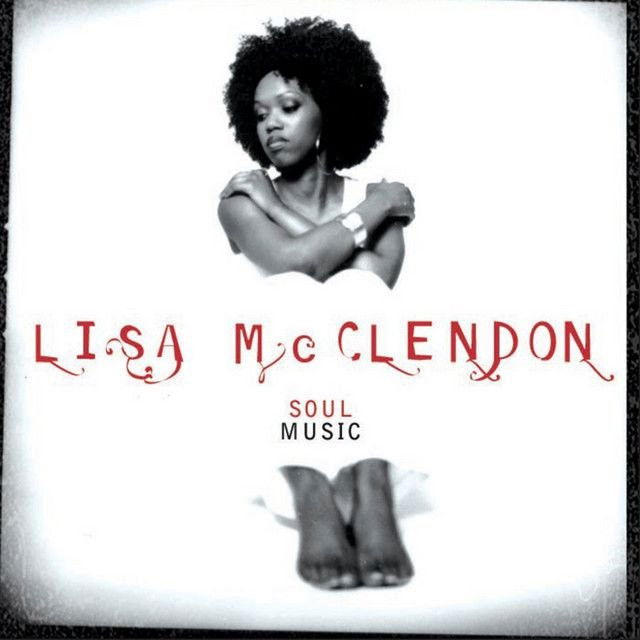
The meaning of You Are Holy Lisa McClendon centers on worship as both awe and closeness. This is not a story song with plot twists or hidden characters. Instead, it works like a prayer set to music, building its message through repetition, devotion, and a steady focus on God’s character.
"You Are Holy" - Lisa McClendon
You are holy, oh, so holy
What privilege and an honor
Loading lyrics...
Unable to load lyrics
We're unable to display the lyrics at this time. Please try again later.
Lisa McClendon is known for blending gospel, worship, and contemporary soul in ways that feel warm and direct. In this song, that approach matters. The lyric does not chase complex metaphor. It keeps returning to a few key ideas so the listener can sit inside them.
A Worship Song Built on Three Attributes
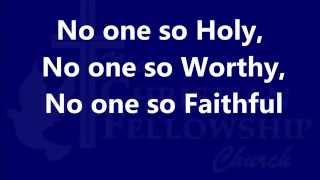
At its core, the song praises God as holy
, worthy
, and faithful
. Those are the three pillars of the lyric. Each word adds a different layer to the relationship between the worshipper and the divine.
“Holy” points to God’s uniqueness and perfection. “Worthy” shifts the focus to response: if God is worthy, then worship is the right answer. “Faithful” makes the song personal and comforting, because it speaks to trust over time, not just power from a distance.
That movement gives the song shape. It begins with reverence, deepens into surrender, and then lands on reliability. Even though the wording is simple, the emotional path is carefully arranged.
Watch the official You Are Holy
music video
The Real Heart of the Message
One of the most important ideas comes in the lines about having the privilege to worship and to be near God. The song suggests that worship is not only duty. It is also access, invitation, and belonging.
When the lyric says your presence
and as your own
, it frames faith as relationship. The speaker is not praising a distant force. They are speaking to a God who welcomes people near. That makes the song more intimate than a simple list of divine traits.
This is why the track often feels both grand and tender. It honors God’s greatness, but it also emphasizes acceptance. In many worship songs, those two ideas can pull apart. Here, they stay together.
Repetition Is the Meaning, Not Just the Style
Some listeners may notice how often the same phrases return. That repetition is not a lack of writing. It is the writing. In gospel and praise music, repeated lines often function like meditation. They help a truth move from the mind into the body.
The repeated declarations of God’s nature create a gathering effect. Each return adds emphasis, as if the singer is not searching for new language but sinking deeper into the same truth. That is especially clear once the song reaches the section about searching everywhere and still finding no equal.
I can search the heavens highsearch the earth belowthere is no one
This is the song’s clearest image. It expands the scale from private worship to the whole universe. The point is simple but powerful: after looking above and below, the singer finds no one comparable.
How the Song Moves Emotionally
The emotional arc matters to the meaning of You Are Holy Lisa McClendon. The opening sections feel like direct praise. Then the song widens into testimony. Instead of only naming who God is, it declares that no rival exists.
That shift gives the second half extra force. It turns worship into witness. The singer is no longer only saying what they feel. They are making a claim about reality: no one is as holy, worthy, or faithful.
From Sanctuary Language to Personal Assurance
Words like throne and presence carry strong worship imagery. They suggest majesty, reverence, and sacred space. But the lyric balances that with emotional reassurance. God is not only enthroned; God is also near enough to claim people as your own
.
Interpretation: That balance may explain why the song resonates so deeply in church settings. It gives listeners both humility and comfort. They are small before the divine, yet fully welcomed.
The Sound Helps Deliver the Theology
Even without a dense lyric sheet, the song’s likely gospel-worship setting does important work. Lisa McClendon’s vocal style often brings warmth, control, and spiritual conviction, which fits this material well. A song like this depends on delivery as much as wording.
In worship music, steady tempo, layered harmonies, and a gradual build often mirror spiritual intensification. As phrases repeat, the arrangement can make them feel less like copies and more like deepening conviction. That is how a simple line becomes emotionally larger each time it returns.
Bryan Brown is credited as the writer, which helps explain the song’s direct devotional structure. Rather than aiming for pop ambiguity, the writing serves congregational clarity. Its strength is accessibility.
A Song About Comparison With Only One Answer
The search imagery is the closest the song gets to argument. The singer imagines looking across heaven and earth, then arriving at the same conclusion every time: no one so faithful
. That phrase does more than praise God’s character. It rejects substitutes.
Interpretation: In that sense, the song can be heard as a testimony of exclusive devotion. It is not merely saying God is good. It is saying nothing else deserves the same trust, honor, or worship.
That reading fits the structure. The lyric moves from naming attributes to ruling out competitors. It is worship, but it is also confession.
Why the Song Still Connects
The reason this song endures is not lyrical complexity. It is clarity. It offers listeners a centered message in a form they can sing, remember, and feel together. In many churches, that matters more than cleverness.
For listeners searching for the meaning of You Are Holy Lisa McClendon, the simplest answer is also the strongest one: it is a song about God’s unmatched character and the honor of being close to that holiness. Its repeated words are meant to steady the heart.
That is why the song feels less like performance and more like shared devotion.
Disclaimer: This interpretation is based on the lyrics provided, common worship music conventions, and available credit information. As with all songs, listeners may hear personal meanings that differ.








