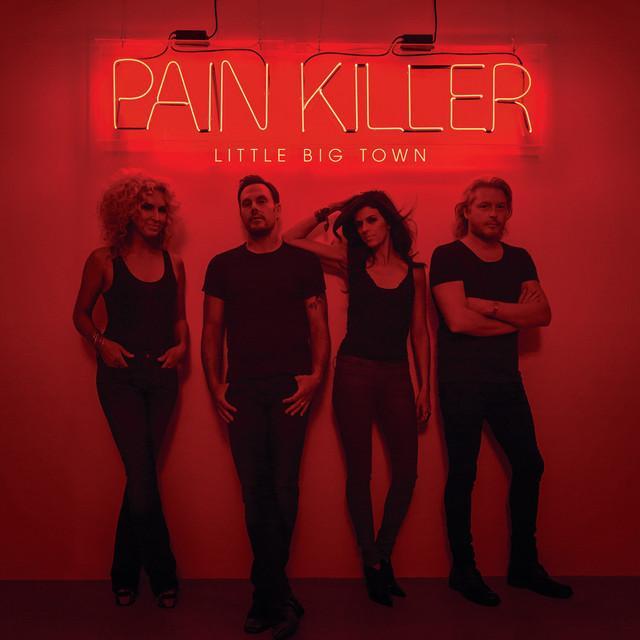
Girl Crush by Little Big Town
What makes this ballad hit so hard is how plainly it names a messy truth: heartbreak often sounds like envy. The narrator repeats I got a girl crush
, but the “crush” points past the rival to the man she’s lost. That tension—desire disguised as imitation—is the core meaning of Girl Crush by Little Big Town.
"Girl Crush" - Little Big Town
Hate to admit it but
I got a heart rush
Loading lyrics...
Unable to load lyrics
We're unable to display the lyrics at this time. Please try again later.
Jealousy Wearing Another Woman’s Face
The meaning of Girl Crush Little Big Town centers on jealousy reimagined. Instead of begging him back, the narrator fixates on the woman who has him. She studies the rival’s smile, laugh, scent, and touch, believing those details explain why love slipped away. This frame flips the standard breakup song: it’s not revenge, it’s self-comparison.
Interpretation: The song shows how longing can twist into identity loss. If she could act, look, and even smell like the other woman, maybe she could rewrite the past. That self-erasure is the emotional engine of the track.

Watch the official Girl Crush
music video
Who’s Telling the Story—and Why It Hurts
The voice is first-person and confessional, sung by Karen Fairchild with the group’s harmonies behind her. Lines like taste her lips
and they taste like you
reveal the sleight of hand: she isn’t attracted to the rival; she wants the man those lips are kissing. The rival becomes a mirror that reflects what she believes she lacks.
Interpretation: The narrator isn’t cruel or bitter. She’s stuck in comparison mode, the most human of heartbreak reflexes. That vulnerability is why the song resonated far beyond country radio.
The Spiral, Step by Step
- Obsession sparks with the admission: she can’t let go.
- Sleeplessness sets in—
I don't get no sleep
—because the rival lives in her thoughts. - She imagines their intimacy in painful detail.
- The fixation hardens into ritual: checking, replaying, rehearsing another self.
- She knows it’s unhealthy, but
can't get her off my mind
captures the trap perfectly.
Symbols That Sting: Perfume, Hair, Touch
The writing leans on vivid, everyday objects. Perfume is aura—she wants to wear the rival’s atmosphere like armor. Hair is identity—long blonde hair
stands in for a type she thinks he prefers. Touch is belonging—the “magic” suggests an unrepeatable chemistry. Together, these images build a portrait of envy that feels tactile and real.
Interpretation: The song warns how quickly grief becomes imitation. The details aren’t random; they’re a blueprint for changing herself into whoever he wants.
How the Sound Sells the Ache
Girl Crush is a slow 6/8 ballad in C major, produced by Jay Joyce. The tempo is unhurried, the groove sways rather than drives. That lilting meter lets syllables hang in the air like second thoughts. A spare arrangement—piano, gentle guitar, and roomy reverb—keeps focus on Fairchild’s lead, which rides from a low, smoky chest tone to a strained upper range without breaking. Their trademark harmonies arrive like a conscience, supporting but never softening the ache.
Interpretation: The blue‑eyed soul tint in the vocal delivery turns jealousy into confession. Nothing is rushed; the slowness is the point. She’s trapped long enough with her thoughts to spiral.
Reception, Controversy, and Legacy
Released in 2014 on Pain Killer, the single became Little Big Town’s biggest crossover moment. It ruled Hot Country Songs for 13 weeks, went seven-times Platinum in the U.S., and climbed into the Hot 100’s Top 20. It also won two Grammys (Best Country Duo/Group Performance and Best Country Song) and took CMA Single and Song of the Year.
Some early listeners misread the premise as same‑sex desire. The band clarified that it’s a jealousy narrative, and trade reporting later suggested the “controversy” was overstated. In the long run, the conversation only highlighted the craftsmanship: turning a familiar theme—heartbreak—into a fresh angle. By 2024, major lists were still placing it among modern country’s defining songs.
Other Readings to Consider
- Interpretation: The rival might be a fantasy. The narrator could be projecting traits onto a woman she barely knows, proving how envy fills in blanks.
- Interpretation: The song critiques beauty standards. By longing to copy the rival’s look and scent, she exposes how breakups can fuel harmful self-editing.
Final Takeaway for the Playlist
Girl Crush endures because it tells an old story in a new voice: jealousy as borrowed identity. It’s intimate, slow, and unflinching about how love loss can warp the self. Interpretation varies, and listeners may hear different meanings depending on their experiences.
Sources
- https://en.wikipedia.org/wiki/Girl_Crush
- https://www.washingtonpost.com/news/arts-and-entertainment/wp/2015/03/25/little-big-towns-girl-crush-is-not-what-you-think-it-is/
- https://www.billboard.com/articles/business/6509486/little-big-town-girl-crush-controversy-radio
- https://www.riaa.com/gold-platinum/?tab_active=default-award&ar=Little+Big+Town&ti=Girl+Crush
- https://www.songfacts.com/facts/little-big-town/girl-crush