Why Live's River Song Still Hits Hard
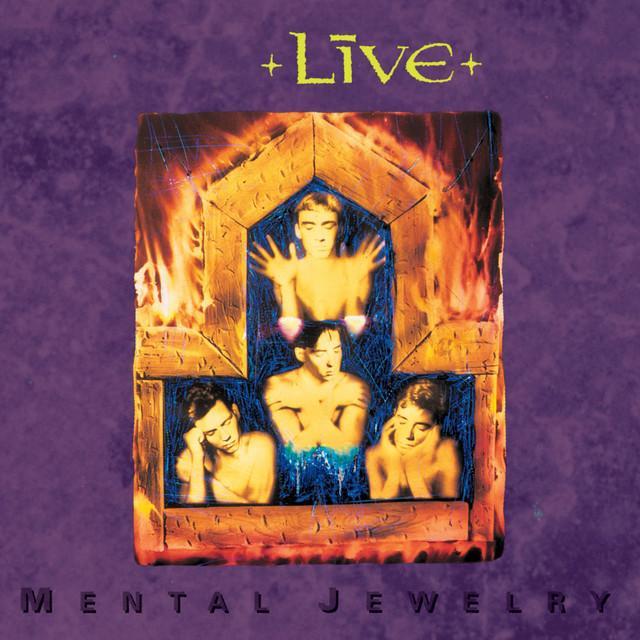
The meaning of Pain Lies On The Riverside Live comes down to one big idea: pain is real, constant, and close at hand, but so is the chance to be renewed. On Live’s debut album Mental Jewelry, the song opens with struggle and guilt, then turns toward water as a symbol of cleansing, courage, and spiritual movement.
"Pain Lies On The Riverside" - Live
Yet I have often paid the price
And you you are a victim of this age
Loading lyrics...
Unable to load lyrics
We're unable to display the lyrics at this time. Please try again later.
Released on Mental Jewelry in 1991 and written by Ed Kowalczyk, Chad Taylor, Patrick Dahlheimer, and Chad Gracey, the track arrived early in the band’s career, before their bigger commercial peak. Critics have also tied this period of Kowalczyk’s writing to the ideas of Jiddu Krishnamurti, which helps explain the song’s searching, philosophical tone.
A River, a Warning, and a Choice
At its core, the song tells listeners not to stay frozen in suffering. The opening lines present a speaker who feels trapped by guilt, pressure, and the damage of the modern world. When the song shifts to the image of the river, it does not present water as easy comfort. Instead, it suggests that healing requires effort.
That is why the repeated call to learn to swim
matters so much. The song does not say pain disappears. In fact, it insists that pain will never say goodbye
. The challenge is learning how to live anyway.
Interpretation: the river is less a safe place than a test. To enter it is to stop waiting for rescue and begin participating in life again.

Watch the official Pain Lies On The Riverside
music video
What the Verses Are Really Saying
The first verse frames pain as both personal and historical. The speaker says they have paid a price without directly causing harm, then addresses someone described as a victim of their age. That phrase widens the song’s scope. This is not just one person’s sadness; it is a condition shaped by culture, guilt, and spiritual exhaustion.
The image of being trapped in a cage adds to that feeling. It suggests that shame does not only hurt the one carrying it. It also imprisons the people around them.
Later, the song turns toward ritual language, including constantly baptized
. That phrase hints at repeated attempts to stay pure or start over. But the song quickly undercuts simple religious comfort. The riverbanks are dry. Waiting for a flood, in the song’s logic, means postponing life itself.
Why the Chorus Feels So Urgent
The chorus is the emotional center of the track. When Live repeat Pain lies on the riverside
, they place suffering right beside the place that should offer cleansing. That is the song’s most powerful tension.
In plain terms, renewal and pain are neighbors. Anyone who wants growth has to walk past hurt to get there.
Put your feet in the water
Put your soul in the water
Those lines build from the physical to the spiritual. First comes contact, then immersion, then total surrender. The song’s invitation to join me for a swim tonight
makes this feel communal rather than lonely. Healing is hard, but the speaker is not asking anyone to do it alone.
The Spiritual Side of the Song
Context matters here. According to AllMusic, Ed Kowalczyk’s lyrics during the Mental Jewelry era were influenced by the teachings of Jiddu Krishnamurti. That background helps explain why the song mixes confession, urgency, and spiritual symbolism without settling into one fixed religious message.
Rather than preaching a doctrine, the lyrics push toward awareness. The song says pain exists. It says passivity keeps people stuck. And it says transformation begins with direct experience, not waiting for a miracle.
Interpretation: the water may symbolize life, truth, knowledge, or rebirth. What matters most is not one single meaning, but the act of entering it.
How the Sound Carries the Meaning
The music gives the lyrics much of their force. Live play the song with a rising, open-throated intensity that turns private struggle into something almost ceremonial. The drums and guitars keep building, while Kowalczyk sings with a rough, pleading edge.
AllMusic credited producer Jerry Harrison with helping shape the track, and the result is bigger and sharper than a raw club recording. Critics there also noted a strong U2 influence, especially in the song’s dramatic finish. That makes sense: the arrangement aims for lift and release, as if the band are trying to push through suffering by sheer momentum.
A later Rolling Stone feature on a 1992 performance also shows how intense the song felt in concert. Even live, it plays like a spiritual argument set to alt-rock.
Why the Song Still Connects
Part of the reason the meaning of Pain Lies On The Riverside Live still resonates is that it refuses easy optimism. It does not promise a life without pain. It says pain stays close. But it also argues that people can choose movement over paralysis.
That message fits Live’s early identity: earnest, intense, and sometimes blunt, but deeply sincere. PopMatters places the song within the band’s formative, spiritually charged period, and that context helps explain why it still feels distinctive.
In the end, this is a song about stepping in. Not when conditions are perfect, and not after the flood finally comes. Right now.
Disclaimer: This interpretation is based on the lyrics, recorded performance, and available artist context. As with any song, meanings can vary from listener to listener.








