Why 'Shit Towne' by Live Feels So Claustrophobic
The meaning of Shit Towne Live starts with a small scene and grows into a bigger complaint about isolation, class tension, and emotional stagnation. On the surface, the song sketches one neighborhood: different houses, different kinds of people, and a speaker who feels boxed in by all of it. Under that surface, it sounds like a portrait of life in a place where everyone is close together, yet no one truly connects.
"Shit Towne" - Live
the crackheads they live down the street from me
the tall grass makes it hard to see
Loading lyrics...
Unable to load lyrics
We're unable to display the lyrics at this time. Please try again later.
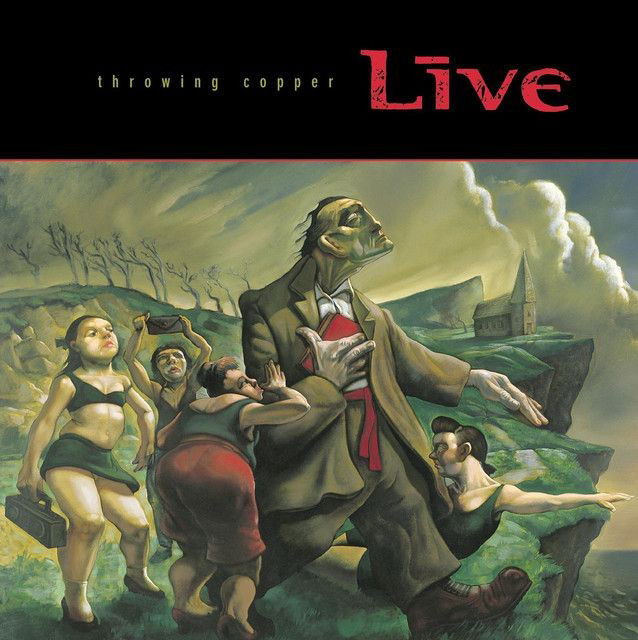
Live released the song on Throwing Copper in 1994, the album that helped make them one of the defining alternative rock bands of the decade. The band members credited as writers are Ed Kowalczyk, Chad Taylor, Patrick Dahlheimer, and Chad Gracey. Factually, that places the song inside the same album cycle that produced much bigger singles, but this track shows the band’s darker, more sardonic side.
A Town Map Turned Into a Mood
The song opens by listing neighbors. One family lives up the street, addicts live down the street, and the area in between feels overgrown and hard to read. That simple setup matters. The speaker is not describing a lively community; they are naming social categories and physical barriers.
When the lyric mentions the tall grass
, it suggests more than landscaping. It implies blocked vision, uncertainty, and neglect. They cannot easily see beyond their own space, which fits the song’s trapped feeling.
Then comes the line about beyond my property
. That phrase narrows the world to a property line. The speaker seems aware of other people, but only from a distance. The result is a suburban or semi-rural scene where closeness does not create warmth.
Watch the official Shit Towne
music video
What the Chorus Means in Plain English
The key to the meaning of Shit Towne Live is the repeated hook gotta live
in shit towne
. It sounds blunt, but that bluntness is the point. The chorus is not just saying the town is bad. It is saying life there feels compulsory.
They have to endure it. They may not be celebrating home at all; they may be mocking the idea that people should feel proud of where they come from no matter what it does to them.
That repetition also gives the chorus two possible meanings:
- Interpretation: It is a complaint about a dead-end hometown.
- Interpretation: It is a wider complaint about social routine, where everyone is stuck in assigned places.
Both readings fit because the verses focus so much on order, boundaries, and repetition.
The Real Enemy Is Separation
One of the sharpest lines describes a hard line symmetry
of neighbors, people, and pets. In plain terms, the singer sees the area as neatly divided and emotionally cold. Everything has its place. That order does not comfort them; it makes the town feel almost mechanical.
The repeated claim we keep to ourselves
deepens that idea. On paper, leaving others alone sounds polite. In the song, it sounds numb. People are not fighting, but they are not living together in any meaningful sense either.
That is why the mail carrier image matters so much. The mailman visits every house in turn, connecting everyone through routine rather than friendship. The system works, but the people remain separate. It is an efficient community and an empty one.
How the Sound Helps Tell the Story
Musically, the track matches its bitterness. Live were known in the 1990s alternative scene for mixing forceful rhythm playing with Ed Kowalczyk’s intense vocals, and that style suits this song well. The arrangement feels tight and driving rather than loose or playful.
The guitars do not open the landscape up; they press in. The drums keep the song moving forward with a stubborn pulse, which mirrors the chorus’s feeling of being forced to continue. The vocal delivery adds sneer and frustration, making the town sound less like a setting and more like a pressure cooker.
This is important because the song is not written like a detailed short story. It is more like a compressed outburst. The production turns a few neighborhood snapshots into a larger emotional state: irritation, boredom, and low-level despair.
A Brief Look at the Song’s Narrative
The song’s action is simple, but its structure is effective:
- The speaker identifies nearby residents.
- They note a physical barrier that limits sight.
- They criticize the ordered social layout.
- They repeat that everyone minds their own business.
- The chorus turns those details into a harsh verdict on the town.
we don't bother anyone
we keep to ourselves
Those two short lines sum up the song’s bleak irony. The neighborhood is peaceful in a technical sense, yet the peace feels lifeless.
Artist Context and Why It Lands
Within Throwing Copper, this song stands out because it strips away uplift and replaces it with contempt. Live often wrote songs that reached for spiritual or social significance, but here they stay grounded in local detail and resentment. That contrast helps the track feel memorable even next to the album’s bigger, more polished singles.
For many listeners in the United States, the song still connects because its image of fragmented community remains familiar. Streets can be full of houses and still feel lonely. People can know exactly who lives nearby and still know almost nothing about them.
That is a big part of the meaning of Shit Towne Live: the song is not only about a bad town. It is about what happens when a place loses any real sense of shared life.
Final Reading: More Than an Insult
At first glance, the title invites readers to hear the song as a simple sneer. But the song is stronger than that. It turns everyday details into a critique of isolation, routine, and a community reduced to property lines and passing observations.
Interpretation: They are not just rejecting one hometown; they are reacting to a way of living that feels emotionally starved. The town is “bad” because it has become spiritually small.
That is why the song still works. It captures a feeling many people recognize but rarely say aloud: sometimes the hardest places to live are not chaotic. They are orderly, quiet, and dead inside.
Disclaimer: This interpretation is based on the released recording, credited songwriting, and commonly discussed themes. As with any song, listeners may hear different meanings in it.