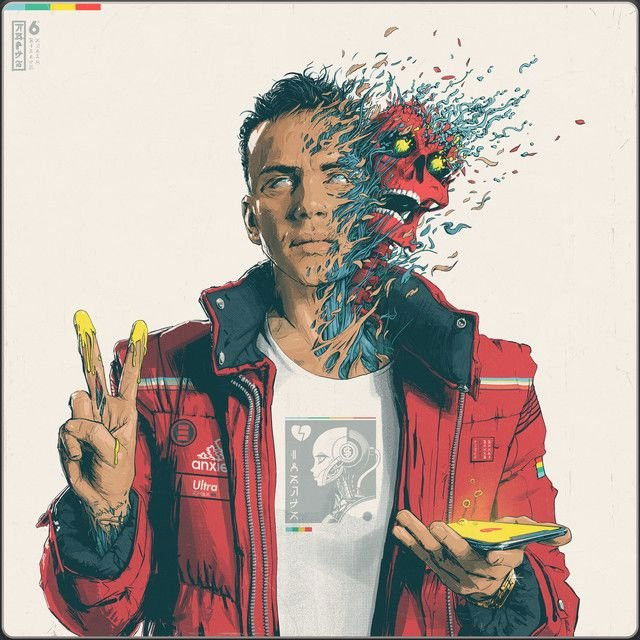
Why Logic's "Cocaine" Is About More Than Drugs
The meaning of Cocaine Logic is not just about drugs, partying, or shock value. At its core, the song works like a split-screen. One side shows the flashy, reckless language common in trap rap. The other shows frustration about race, class, and the pressure to perform a certain image in order to sell music.
"Cocaine" - Logic
Cocaine, cocaine, cocaine, cocaine, molly
Percocet, my rep move up like a dolly
Loading lyrics...
Unable to load lyrics
We're unable to display the lyrics at this time. Please try again later.
That tension is the key to understanding the track. Logic does not present one stable point of view. Instead, they build a song where bragging, irony, anger, and pain sit right next to each other. The result is messy on purpose.
The Hook Sounds Simple, but It Isn't
On first listen, the repeated chant of cocaine
and other drug names can sound empty or repetitive. But repetition is doing a lot of work here. It mimics a marketable rap formula: say the loudest, most addictive words, make them stick, and let the hook carry the song.
Then Logic undercuts that formula in the second half. They admit, in effect, that they do not want to celebrate this lifestyle, but feel that listeners and the industry reward it. That is why one of the most important moments is the idea behind I don't really wanna glorify it
. The song starts by sounding complicit, then exposes why that sound exists.
Interpretation: the chorus is both bait and critique. It gives the audience the thing they expect, while also asking why they expect it.
Watch the official Cocaine
music video
Two Voices Fight for Control
A useful way to hear the song is as a conflict between performance and conscience. In the early verse, Logic leans into bravado, sexual boasting, and drug-dealer imagery. The lines are exaggerated and aggressive, almost like a mask.
Later, the song turns and becomes much more direct about social pressure. The repeated claim that They wanna see a black man fall down
changes the frame. Suddenly, the earlier excess does not just sound like flexing. It sounds like survival inside a culture that profits from stereotypes.
They wanna see a black man lose
They want more blacks to sing the blues
That brief section is the song's moral center. It ties the personal voice to a larger history of racism, exploitation, and limited opportunity. Logic is not simply saying drugs are everywhere. They are saying the system can reward destructive stories while blocking stable paths forward.
The Social Critique Hiding in Plain Sight
The strongest part of the meaning of Cocaine Logic comes in the lines about money, banks, and housing. When the song moves from party talk to a bank refusing a loan, the message sharpens. The narrator connects street crime to structural barriers, not just personal failure.
The mention of the plantation pushes that idea further. It links present-day inequality to American history, suggesting that economic struggle did not appear out of nowhere. In this reading, drug imagery becomes a symbol of a trap bigger than any one person: a cycle where pain gets turned into entertainment.
This fits Logic's larger career, where they have often mixed mainstream rap styles with personal and social commentary. On Def Jam, their catalog shows how often they move between technical rap, autobiography, and concept-driven songs. "Cocaine" sits in that in-between zone.
How the Production Supports the Message
Production matters here because the beat sells the seduction before the lyrics question it. The instrumental is cold, hard, and minimal, giving the song a numb, mechanical feel. The heavy low end and looping hook create a hypnotic effect, which mirrors the obsessive cycle described in the lyrics.
That matters because the song is not trying to sound warm or reflective. It sounds locked in. The repetition feels almost industrial, as if the beat itself is mass-producing the same desires: drugs, status, sex, and reputation.
Writers for the track include Arjun Ivatury, Kevin Gomringer, Robert Bryson Hall, and Tim Gomringer, as provided in the song credits. Logic's official discography also reflects how often they use sequencing and album context to deepen a song beyond its surface energy. Even without a lush arrangement, "Cocaine" uses rhythm and repetition to make its argument.
Why the Contradictions Matter
Some listeners hear the song as hypocritical. That is fair. The track spends plenty of time enjoying the very imagery it later questions. But that contradiction may be the point, not a flaw.
Interpretation: Logic is staging a trap within the song itself. First, they pull the listener in with the language of excess. Then they reveal how profitable and expected that language has become. The listener has to confront their own role too.
That is why the line built around glorify it
matters so much. It is not a full apology, and it is not a clean rejection. It is closer to an uncomfortable confession: the machine rewards certain stories, and artists know it.
A Song About Pain Wearing a Costume
Near the end, the song makes its hidden feeling clear. Logic describes this as the dialogue inside their brain and says they are filled with pain. That confession changes the rest of the track. What sounded like swagger starts to feel defensive.
The drug talk, then, can be heard as both literal content and emotional cover. Instead of openly beginning with hurt, the song hides that hurt under noise, repetition, and threat. Only later does the inner damage come through.
This is why the meaning of Cocaine Logic lands harder than its title suggests. It is about self-presentation under pressure: racial pressure, market pressure, and personal pressure. The song asks what happens when destructive imagery becomes both a product and a shield.
Final Take on the Song's Meaning
"Cocaine" is not a neat anti-drug statement, and it is not just a party record either. It is a conflicted song about how artists can feel pushed to sell danger while living with the pain behind it. Its strongest idea is that the performance of vice can become a trap of its own.
That tension is what makes the track worth discussing. Interpretation disclaimer: song meaning is never fully fixed, and this reading is based on the lyrics, credits, performance choices, and broader context around Logic's work.









