Why “Vinyl Days” Feels Like a Rap Mission
The meaning of Vinyl Days Logic, DJ Premier starts with a simple idea: they are not just showing off. They are defending a version of hip-hop built on skill, texture, and feeling. The song sounds like a victory lap, but it also plays like a manifesto for “real” rap.
"Vinyl Days" - Logic, DJ Premier
Vinyl Days
DJ Premier
Loading lyrics...
Unable to load lyrics
We're unable to display the lyrics at this time. Please try again later.
Logic uses the track to flex his pen, question shallow industry habits, and align himself with an older tradition. DJ Premier’s presence matters because they are one of the most respected producers in rap history, known for sharp drums and sample-driven beats. That gives the song extra weight, even before a listener breaks down the bars.
A Victory Speech Disguised as a Cipher
At the surface, “Vinyl Days” is a braggadocious performance record. Logic stacks punchlines, cultural references, and insults aimed at weak competitors. He frames himself as tested, focused, and still improving after years in the game.
But the deeper point is not only that he can rap better than others. It is that he believes many artists have drifted away from the heart of the genre. When the hook says real hip hop fans
and longs for music back when you would feel tracks
, the song shifts from battle rap into cultural argument.
Interpretation: the record is less about nostalgia for old release dates and more about craving honesty, craft, and replay value.
Watch the official Vinyl Days
music video
Why DJ Premier Changes the Message
DJ Premier is not a random collaborator. They are one of the key architects of East Coast boom-bap, with work tied to Gang Starr and decades of influential production. That history matters to the song’s meaning because Premier stands for lineage and standards.
Logic even frames Premier as an idol in the intro, which makes the track feel like both tribute and co-sign. The beat supports that reading. Its dusty groove, chopped feel, and hard drums point back to crate-dug rap traditions rather than glossy pop-rap trends.
That production choice helps explain the meaning of Vinyl Days Logic, DJ Premier: the song is trying to sound like its values. It does not simply praise authenticity; it performs authenticity through form.
The Verses Push Back Against Fake Moves
Much of the song’s energy comes from frustration. Logic goes after critics, clout-chasers, and artists who seem more interested in status than substance. He jokes, threatens, and mocks, but underneath the aggression is a moral line.
He contrasts his own work ethic with empty talk. A phrase like one mic, one pen
signals a stripped-down creative ethic. Another line about critics says he is not ruled by outside noise. Elsewhere, he attacks people who sell out for awards, money, or image.
This matters because the song is not only saying “I’m great.” It is also saying: greatness should still come from writing, practice, and taste. When he says he would rather chop samples
, he chooses craft over flashy consumption.
The Hook Is the Song’s Thesis
The chorus is simple, and that simplicity is the point. Logic repeats the desire for the “real” to return, especially the feeling of hearing records that hit emotionally and physically.
I want that real back
back when you would feel tracks
That brief refrain reframes the whole song. The verses may be full of jokes and boasts, but the hook reveals the emotional core: disappointment with what some rap has become, mixed with hope that the older spirit can still survive.
Interpretation: “real” here does not mean every old song was better. It points to music that sounds lived-in, personal, and carefully made.
Old-School Symbols, Modern Anxiety
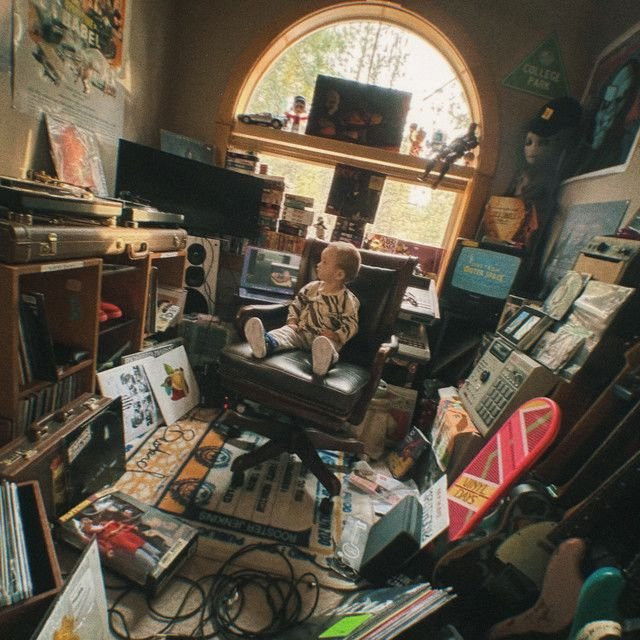
The title “Vinyl Days” carries the song’s biggest symbol. Vinyl suggests records, dust, analog warmth, and the ritual of listening with attention. In rap culture, it also evokes crate-digging, sampling, and producer knowledge.
Logic builds that mood with details about lo-fi gear, analog machines, and smoky studio air. Those images create a world where hip-hop feels handmade. That is important because the song is fighting against music that feels disposable.
At the same time, the verses are not stuck in the past. He mentions streaming-era fame, criticism, travel, and internet-age performance pressure. So the track is not pretending the present does not exist. Instead, it asks whether artists can keep old standards inside a modern industry.
How the Sound Carries the Meaning
The performance style is key. Logic raps with constant motion, packing bars with internal rhyme and quick pivots. That breathless density suggests mastery, but also hunger. He sounds like someone trying to prove that technical rap still excites them.
Premier’s beat gives those verses a tough floor to stand on. The drums knock, the texture feels rough in a deliberate way, and the groove leaves room for bars rather than overpowering them. That balance makes the song feel like a cypher cut, even though it is polished enough for an album release.
In other words, the music itself argues for the message. The sound says this is hip-hop built from rhythm, writing, and feel first.
Two Strong Ways to Read the Track
One reading is straightforward: this is Logic asserting veteran status. He has survived criticism, industry shifts, and personal struggles, and now they are rapping with freedom.
A second reading goes wider. Interpretation: the song is a defense of artistic integrity in a market that rewards speed, image, and controversy. In that version, every boast is also a statement about values.
Why the Song Still Connects
The meaning of Vinyl Days Logic, DJ Premier comes down to reverence and resistance. They honor rap history, but they also resist a culture that treats music like quick content. That blend gives the song its spark.
For listeners, “Vinyl Days” works because it offers both pleasure and argument: sharp bars on one level, and a clear plea for substance on another. It is a reminder that hip-hop can still chase excellence without losing soul.
Disclaimer: This interpretation is based on the released lyrics, performance, and public artist context. Song meaning can remain subjective and may differ from the artists’ exact intent.








