White Teeth Teens by Lorde
Why This Song Still Stings
The meaning of White Teeth Teens Lorde comes down to belonging, image, and the pain of standing near a popular group without ever fully entering it. On the surface, the song moves like a cool, nighttime anthem. Under that coolness, though, it sounds wounded.
"White Teeth Teens" - Lorde
I guess you're lucky that it's dark now
And if I like it, then we'll stay
Loading lyrics...
Unable to load lyrics
We're unable to display the lyrics at this time. Please try again later.
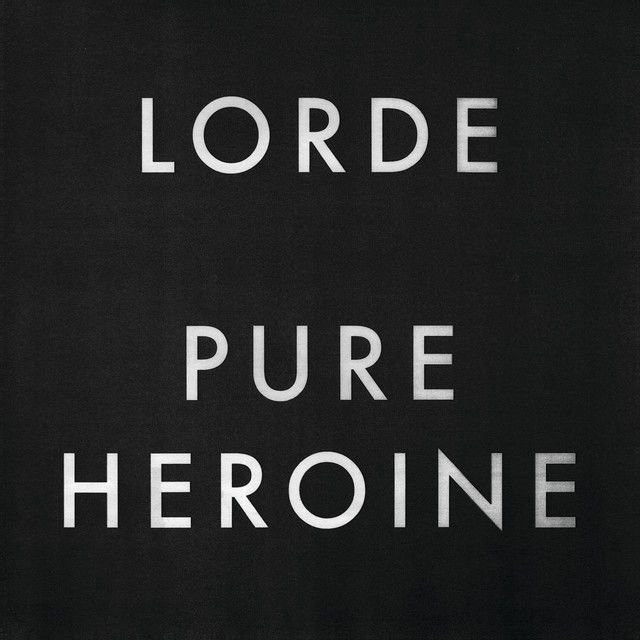
Released in 2013 on Pure Heroine, the song sits inside Lorde's larger project of writing about teenage status, class, and performance. They and Joel Little wrote it, and its place on the album matters: it expands the same social world that also shapes songs like "Royals" and "Team."
Factually, the track is about teen social scenes and the way perfection gets staged. Interpretation: it is also about how someone can learn the rules of a clique, mimic its style, and still feel marked as different.

Watch the official White Teeth Teens
music video
The Core Idea Behind the "White Teeth"
The title image sounds simple, but it carries a lot. White teeth suggest health, money, polish, and the kind of beauty that reads as effortless. In this song, that image becomes shorthand for a certain kind of teen elite: clean-cut, admired, and socially safe.
Critics have tied Lorde's repeated tooth imagery across the album to class and authenticity. A PopMatters essay argues that teeth on Pure Heroine often signal status and belonging. That reading fits here. These are not just kids with nice smiles. They are a tribe.
When the chorus says glow in our mouths
, the song turns smiles into something almost supernatural. The image is bright, but also eerie. It makes the group look attractive and intimidating at the same time.
Night, Performance, and the Social Stage
The opening lines place the action in darkness, not daylight. That detail matters. Night lets people try on roles, hide awkwardness, and blur class lines for a few hours. They can move through the scene more freely after dark.
The early verse sounds like someone entering a party space and instantly reading its power structure. There is pressure to impress, to drink, to fit the mood, and to follow unwritten rules. Even before the confession later in the song, they already sound like an observer who knows they are performing.
Interpretation: the song presents popularity as theater. Everyone has cues, costumes, and poses. The so-called perfect teens seem natural, but Lorde suggests that their ease may be learned, inherited, or protected by privilege.
What the Chorus Reveals About Group Power
The hook repeats the group label white teeth teens
until it feels like a chant. That repetition gives the clique force. It sounds collective, almost ritualistic.
Another key phrase is hairpins start to drop
. In plain terms, the song points to a moment when appearances loosen and hidden truths start slipping out. A polished crowd can look controlled, but eventually the mask shifts.
That is why the chorus feels double-edged. It admires the group's energy while also exposing its mechanics. They are magnetic because they seem fearless and unified. But the same unity can feel exclusive, even cold.
I am not a white teeth teen
I tried to join, but never did
This is the song's emotional center. After circling the group from the outside, the speaker finally says the quiet part plainly. They wanted in. They failed. That honesty turns the song from social sketch into confession.
The Bridge Changes Everything
The bridge reframes the whole track. Before it, the song can sound like it is speaking from inside the clique with a sly smile. After it, listeners understand that this voice has always been unstable: close enough to witness the ritual, too far away to belong.
The line about the way they seem
points to one of Lorde's main themes. Image and reality are not the same. Public grace can hide boredom, cruelty, insecurity, or emptiness.
Then comes one of the song's strangest pictures: teeth compared to lights in an underpass. The image is urban, dim, and a little lonely. Rather than placing these teens in a glamorous mansion or movie scene, Lorde puts them in a plain shared space, where they sit around and "do nothing." That choice deflates the fantasy. The elite kids are still just kids.
How the Sound Carries the Meaning
Production is a big reason the song lands so hard. Joel Little and Lorde build it from clipped drums, layered vocals, and a ghostly pop framework that hints at doo-wop sweetness without ever becoming nostalgic. Billboard's Jason Lipshutz noted that the song moves through a doo-wop-like setting before its faded vocals deepen the ending's sadness.
That contrast matters. The beat feels poised and stylish, matching the polished social world the lyrics describe. But the stacked harmonies feel distant, as if they are heard through memory or through a wall. The result is a sound that is both social and isolated.
The refrain everything works out so good
is especially sharp. Sung repeatedly, it does not sound fully reassuring. Interpretation: it can be heard as self-soothing, denial, or a way of wearing confidence like clothing.
A Song About Class as Much as Popularity
Many listeners hear the song as a pure high-school outsider story, and that is fair. But there is more going on. Lorde often writes about status symbols, and "white teeth" can suggest access to care, grooming, and the kind of ease that comes from social advantage.
So the divide here may not just be cool kids versus misfits. It may also be inherited comfort versus self-conscious striving. The lyric about it being in the blood
supports that reading. Some people seem born into belonging.
The Lasting Meaning
In the end, the meaning of White Teeth Teens Lorde is not that popular kids are evil or fake. It is that social perfection is powerful because it looks natural, even when it is built on codes that leave other people outside.
Lorde captures the ache of wanting entry, seeing through the illusion, and still feeling its pull. That tension is why the song lasts. It understands that rejection does not always kill desire; sometimes it makes desire sharper.
Disclaimer: This interpretation mixes documented context with informed reading. Like most art, the song can support more than one meaning.









