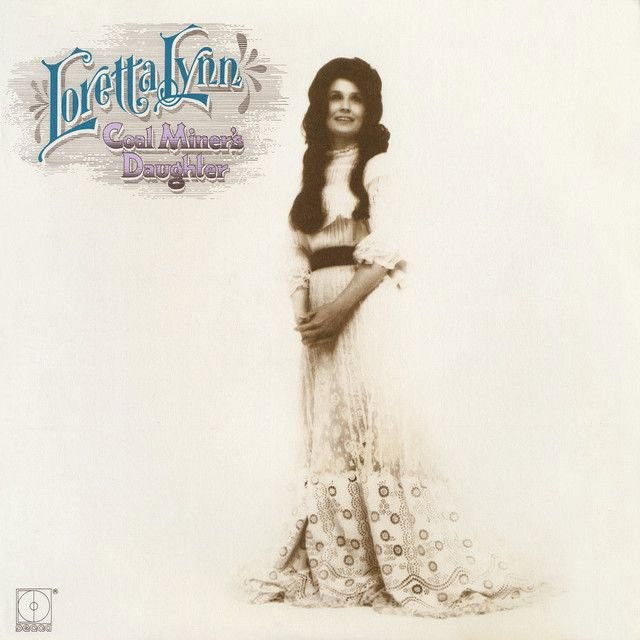
Why 'Coal Miner's Daughter' Still Hits Home
The meaning of Coal Miner's Daughter - Single Version Loretta Lynn starts with something simple: it is a life story told without self-pity. Loretta Lynn turns memories of hunger, labor, and family duty into a song about pride. Instead of asking listeners to feel sorry for her, they ask them to see the strength inside that world.
"Coal Miner's Daughter - Single Version" - Loretta Lynn
In a cabin, on a hill in Butcher Holler
We were poor, but we had love
Loading lyrics...
Unable to load lyrics
We're unable to display the lyrics at this time. Please try again later.
The track is also one of country music’s clearest autobiographical statements. Loretta Lynn wrote it herself, and it became one of her signature songs, later lending its name to her memoir and film legacy. That long afterlife helps explain why the song still feels larger than one family story: it stands for a whole working-class American experience.
A Childhood Portrait Drawn With Respect
At the most direct level, the song describes growing up in eastern Kentucky, in a miner’s household with very little money. The opening image of being born in Butcher Holler
places the story in a real community, not a made-up country setting. That specificity gives the song its power.
The lyric then builds a household around labor. The father works nights in the mines. The mother handles children, clothes, meals, and faith-centered family life. The song does not romanticize that routine, but it does honor it.
When Lynn recalls that they were poor, but we had love
, they offer the song’s main idea in one plain sentence. Material need is real, yet the family’s emotional wealth matters just as much. That contrast is the backbone of the entire narrative.

Watch the official Coal Miner's Daughter - Single Version
music video
What the Verses Say About Work and Worth
Each verse adds another example of survival. The father is shown earning a thin living in brutal conditions. The mother’s labor is domestic, but the song treats it as equally demanding. Her bleeding fingers and her quiet smile suggest a kind of endurance that does not need applause.
That matters because the song links dignity to effort, not status. The family may lack shoes in summer and rely on a catalog purchase in winter, yet the parents still find a way to provide. The details are humble, but they never feel small.
Hardship Without Bitterness
One reason the song lasts is its emotional balance. Lynn includes painful facts, but they do not sound angry. The memory of drawing water, sleeping hard after work, and living with scarcity comes through as lived truth.
Interpretation: The song suggests that hardship can shape identity without poisoning it. That is different from saying poverty is good. Rather, Lynn presents love and discipline as the forces that kept poverty from defining the family completely.
The Chorus Turns Memory Into Identity
The emotional center arrives when Lynn declares they are proud to be
a coal miner’s daughter. That line changes everything around it. Up to that point, the verses sound like recollection. In the chorus, recollection becomes self-definition.
This is why the song resonates far beyond country music fans. Many listeners hear their own family history in it, even if they never lived near a mine. The deeper message is about honoring origins, especially origins that others might dismiss.
I'm proud to be
a coal miner's daughter
That short refrain works because it is both personal and public. It is a daughter speaking about one father, but it is also an artist defending a whole class background.
Sound That Keeps the Story Grounded
The production helps the meaning land. The arrangement is traditional country: steady rhythm, clean acoustic framing, and a vocal that stays clear above the instruments. Nothing distracts from the story.
That simplicity is a strength. The music moves at a conversational pace, as if Lynn is remembering these scenes in a front-porch voice rather than staging a grand drama. Their vocal delivery is especially important. They sound firm, warm, and unsentimental, which keeps the song from slipping into nostalgia that feels fake.
Interpretation: The plainspoken sound mirrors the plainspoken values in the lyric. The song’s musical restraint tells listeners that these memories do not need decoration to matter.
Loretta Lynn’s Life Gives the Song Extra Weight
Loretta Lynn’s authority as a songwriter is essential here. She was widely known for drawing on real life, especially women’s labor, marriage, class, and rural identity. “Coal Miner’s Daughter” stands at the center of that body of work because it explains where that voice came from.
Factual accounts of Lynn’s upbringing in Butcher Hollow and her rise in country music have been widely documented by sources such as Britannica and the Country Music Hall of Fame. Those sources help confirm that the song’s setting and family framework were rooted in her real biography.
Because of that context, listeners often hear the final homecoming lines as more than remembrance. When she returns to a place where little remains but memory, the song becomes a record of a disappearing world.
Why the Song Still Matters in America
In the United States, this song continues to connect because it speaks to class without using political language. It is about labor, family sacrifice, faith, and regional pride. Those themes still carry weight in conversations about who gets remembered and whose work gets respected.
The song also preserves a daughter’s point of view. That is crucial. The father’s mining work is central, but the mother’s invisible labor is just as vivid. By placing both parents in the story, Lynn quietly broadens what counts as heroic.
The Lasting Meaning Beneath the Memory
The meaning of Coal Miner's Daughter - Single Version Loretta Lynn is not just that Loretta Lynn came from poverty. It is that they transformed family memory into a statement of dignity. The song says roots matter, labor matters, and love can survive where money does not.
That is why the record still feels alive: it does not merely look back. It protects the value of people and places that history often leaves behind.
Disclaimer: This article offers a mix of factual context and clearly labeled interpretation. Song meaning can vary from listener to listener.








