Why Armstrong Turns a Kiss Into a World
The meaning of A Kiss To Build A Dream On - Single Version Louis Armstrong starts with a very small request and grows into something much larger. On the surface, the singer asks for one last sign of affection before a separation. Under that gentle setup, though, the song becomes a meditation on how people use memory and fantasy to survive absence.
"A Kiss To Build A Dream On - Single Version" - Louis Armstrong
And my imagination will thrive upon that kiss
Sweetheart, I ask no more than this
Loading lyrics...
Unable to load lyrics
We're unable to display the lyrics at this time. Please try again later.
Louis Armstrong’s 1951 recording gives that idea unusual warmth. The song itself was written by Bert Kalmar, Harry Ruby, and Oscar Hammerstein II, with roots in an earlier 1935 song later reshaped into the version Armstrong made famous, according to Wikipedia’s song entry. That history matters because the final lyric feels polished like a standard, but emotionally direct like a personal plea.
A Small Romantic Ask With Big Emotional Stakes
At the center of the song, the speaker is not asking for a full reunion, a promise, or a future together. They ask for just enough affection to keep going. When the singer says a kiss to build a dream on
, the phrase turns a kiss into emotional fuel.
That is the key idea of the song. The kiss is not only physical affection. It becomes a memory, a symbol, and a starting point for hope. The speaker seems to know the relationship may be fragile or temporary, which makes the request feel modest on purpose.
Interpretation: The song suggests that love does not need to be complete to be powerful. Even a brief moment can sustain desire, fantasy, and devotion long after the other person is gone.

Watch the official A Kiss To Build A Dream On - Single Version
music video
The Narrator Lives in the Space After Goodbye
The verses make it clear that separation is either coming or already underway. A phrase like before you leave me
frames the song around parting, not union. That changes the emotional tone. This is not a celebration of being together. It is about preparing for loneliness.
The song’s speaker knows they will be alone, so they begin planning how to fill that emptiness. They will rely on imagination to keep the beloved close. In simple terms, they are asking for something real that can support something imagined.
Fantasy Is Not a Lie Here
One of the smartest parts of the lyric is that it openly admits its fantasy. The singer mentions being alone with my fancies
, then imagines weaving romances
. The song does not pretend these visions are literally true.
making believe they're true
That short confession is crucial. The speaker understands they are building an inner world. Instead of making the emotion weaker, that honesty makes it more touching. They are not delusional. They are heartsick and trying to cope.
How the Hook Explains the Whole Song
The chorus works because it repeats the same emotional logic from different angles. The speaker asks for one brief gift, then explains what that gift will do. A passing kiss will help imagination feed my hungry heart
. That image turns longing into appetite.
The phrase is effective because hunger is basic and urgent. It suggests the speaker is not casually lonely. They feel deprived. Yet the cure they ask for remains tender and restrained.
Interpretation: This restraint is part of the song’s beauty. The speaker does not demand love; they ask for a trace of it. That makes the longing feel dignified instead of dramatic.
Armstrong’s Voice Makes the Plea Feel Human
Armstrong’s performance is a major reason the song still lands. His gravelly voice carries both age and innocence at once. He sounds worldly enough to understand disappointment, but open enough to keep believing in romance.
That balance shapes the meaning. In another singer’s hands, the lyric could sound overly sweet. Armstrong keeps it grounded. He makes the request feel lived-in, as if the speaker has loved, lost, and still chooses tenderness.
Sound and Arrangement
The recording’s slow swing and polished orchestral feel support the lyric’s dreamlike quality. The melody rises softly rather than bursting outward, which mirrors the song’s emotional scale: intimate, not theatrical.
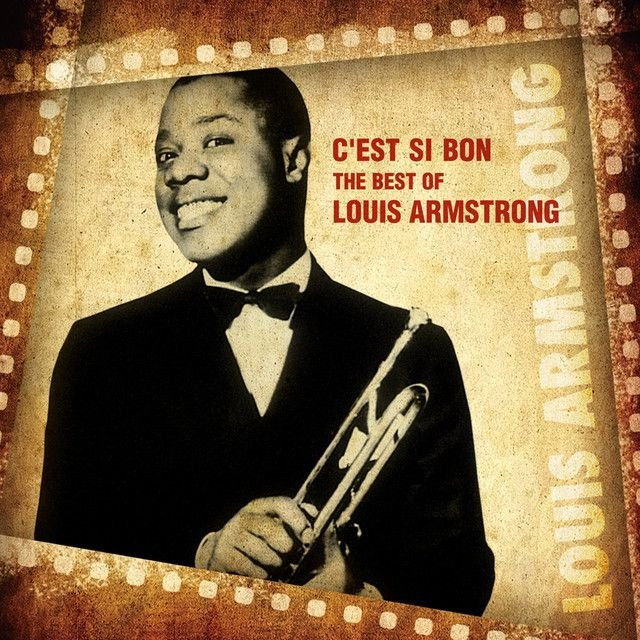
Armstrong’s trumpet image also matters, even when the vocal leads the emotional message. His musical identity always carried a mix of joy and ache. That blend helps the song hover between comfort and sadness. The result is romantic, but never naive.
Why the Song Endures Beyond Its Era
The song was introduced in connection with the 1951 film The Strip and was nominated for the Academy Award for Best Original Song, facts noted by the Academy-linked song history via Wikipedia. It also kept resurfacing in later culture, including films and games, because its premise is timeless.
Most listeners understand the feeling immediately: sometimes a person holds onto one brief moment because it is all they have. The song captures that emotional economy with remarkable efficiency.
It also avoids bitterness. There is no anger toward the departing person. No blame. No attempt to shame them into staying. That generosity gives the song its lasting grace.
Final Thought: Love as Memory, Not Possession
So, the meaning of A Kiss To Build A Dream On - Single Version Louis Armstrong is not just about wanting a kiss. It is about how a tiny act of affection can become a shelter for the mind and heart. The speaker turns memory into companionship, fantasy into survival, and longing into song.
That is why Armstrong’s version still feels so moving. It understands that love is sometimes less about possession than about what remains after the moment passes.
Disclaimer: This interpretation is based on the lyrics, performance, and historical context, and other listeners may hear different shades of meaning.








