Why Louis Armstrong Makes This Love Song Wink
The meaning of Let's Do It (Let's Fall In Love) Louis Armstrong starts with a simple trick: the song sounds light, but it is bolder than it first appears. Written by Cole Porter in 1928 and later recorded by Louis Armstrong for Louis Armstrong Meets Oscar Peterson in 1959, it turns flirtation into comedy, and comedy into a sly statement about how natural desire is.
"Let's Do It (Let's Fall In Love)" - Louis Armstrong
Even educated fleas do it
Let's do it, let's fall in love
Loading lyrics...
Unable to load lyrics
We're unable to display the lyrics at this time. Please try again later.
Porter’s song became famous as a “list song,” piling up examples from animals, places, and social groups to make one point: attraction is everywhere. In Armstrong’s hands, that point feels less provocative than charming, but the core idea stays the same. The song says love and desire are universal, funny, and impossible to keep in a box.
A Playful Song With a Bold Core
On the surface, the lyric is just a string of jokes. It moves from creatures and nations to odd little punch lines, all circling back to the invitation let's fall in love
. But the song’s real engine is euphemism. The repeated idea of “doing it” points beyond romance and toward sexual desire, while staying polished enough for popular entertainment.
That mattered in 1928. According to Wikipedia, the song was introduced in Porter’s Broadway musical Paris and became one of his first major list-song hits. Critics and theater historians have often noted how daring it was for its time because it treated sex as playful rather than shameful.
Interpretation: Armstrong’s version softens the shock value, but it does not erase it. Instead, they present the song as a smiling truth: people are drawn to one another, and pretending otherwise is silly.
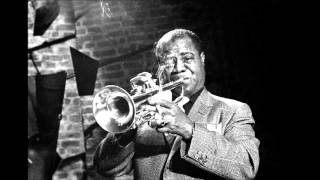
Watch the official Let's Do It (Let's Fall In Love)
music video
How the Verses Build the Joke
Each verse works like a comic routine. The singer keeps widening the circle of who “does it,” starting with nature and moving outward into society and geography. The famous opening phrase Birds do it, bees do it
gives the song its most memorable image because it frames attraction as part of the natural world.
From there, the lyric gets more absurd on purpose. Tiny creatures, sea life, and distant places all become proof that romance is not rare or refined. Even a phrase like educated fleas
pokes fun at the idea that love belongs only to the elegant or serious.
That structure matters. Rather than tell a personal love story, the song builds a case. It says, in effect: if this urge is everywhere in nature and culture, why should anyone act embarrassed by it?
Birds do it, bees do it
Even educated fleas do it
Let's do it, let's fall in love
That refrain is the whole argument in miniature. First comes the comic evidence, then comes the invitation.
Louis Armstrong’s Performance Changes the Meaning
Armstrong did not write the song, but his voice reshapes it. His 1959 version on Verve Records pairs him with Oscar Peterson’s elegant piano-led jazz setting. The arrangement is relaxed, swinging, and conversational rather than theatrical.
That matters because Porter’s lyric can be arch in some versions. Armstrong makes it human. Their gravelly warmth, loose timing, and playful emphasis turn the wit into lived feeling. Instead of sounding like a clever society joke, the song feels like a grin across the room.
Oscar Peterson’s piano helps too. The accompaniment is nimble and polished, giving the song a classy frame without making it stiff. Bass and drums keep things moving lightly, so the performance mirrors the lyric’s teasing tone. Nothing is pushed hard; everything swings.
Interpretation: In Armstrong’s version, the meaning shifts slightly from “sex is daringly discussable” to “desire is joyful, ordinary, and shared.” The performance does not lecture. It invites.
The Song’s Complicated History
Any honest reading also has to note that some original 1928 lyrics included ethnic references and stereotypes that later became offensive. Over time, broadcasters and performers changed or dropped those lines, and many later versions used safer alternatives, including the well-known animal opening.
That history affects interpretation. It shows that the song is both durable and adaptable. Its central idea survived because the structure is flexible: performers can keep the playful catalog while updating what no longer works.
For Armstrong, that flexibility is important. Their recording belongs to the era when jazz singers often treated standards as living material, shaping phrasing and sometimes wording to fit the moment. So the song’s long life is part of its meaning too. It keeps being revived because its main thought remains recognizable.
Why the Humor Still Lands
The song stays alive because it balances sophistication and silliness. A phrase like electric eels
is funny because it is unexpected, but it also follows the song’s larger logic: no matter how strange the example, the conclusion is the same.
Porter’s craft is easy to miss because the lyric sounds effortless. The rhyme, rhythm, and surprise images keep the song moving fast. Armstrong’s delivery makes those turns feel even easier, almost tossed off, which is part of the charm.
There is also a democratic impulse inside the joke. The lyric suggests that attraction crosses class, species, and borders. Rich or poor, fancy or plain, human or animal, everybody gets caught by it. That broad vision is what makes the song feel more than merely cute.
Final Take on the Song’s Meaning
So what is the meaning of Let's Do It (Let's Fall In Love) Louis Armstrong? At heart, it is a witty celebration of desire as something universal. Porter wrote a song that turned taboo into clever entertainment, and Armstrong transformed that cleverness into warmth.
Their version says that love, lust, and attraction are part of life’s comic rhythm. People can dress them up, hide them, or joke about them, but they are still there. Armstrong’s relaxed swing makes that message feel generous rather than scandalous.
That is why the performance still works: it laughs at human awkwardness while also accepting it. Interpretation: the song is not really urging reckless romance. It is saying that falling for someone is one of the oldest, most natural things in the world.
Disclaimer: This article offers interpretation based on the lyrics, recording history, and performance context. Song meaning can vary from listener to listener.








