Why Lovejoy’s ‘Cause for Concern’ Sounds So Unsafe
The meaning of Cause for Concern Lovejoy comes through in a clever contradiction: the song keeps insisting everything is fine while its images say the opposite. That tension is what gives the track its bite. It sounds playful on the surface, but underneath, it paints a scene of recklessness, pressure, and danger being laughed away.
"Cause for Concern" - Lovejoy
You're down another 8 ball
I haven't even got a cue
Loading lyrics...
Unable to load lyrics
We're unable to display the lyrics at this time. Please try again later.
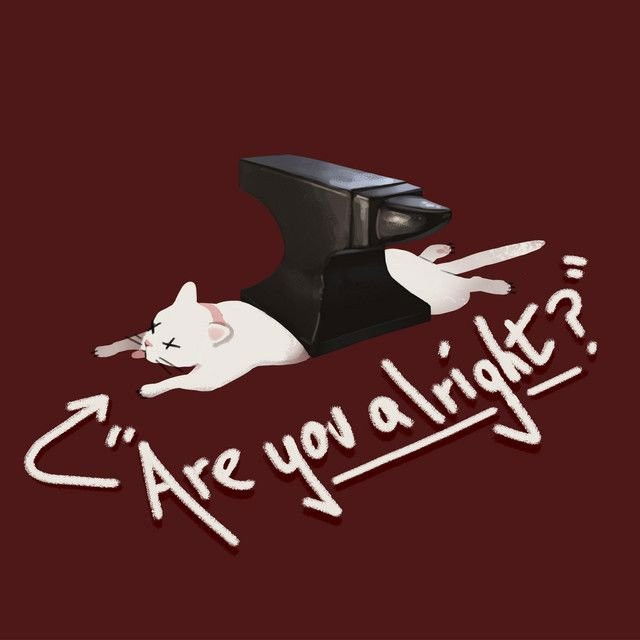
Lovejoy released “Cause for Concern” on May 10, 2021, as the fourth track on their debut EP Are You Alright? According to the Lovejoy Wiki, it was written by Joe Goldsmith and Will Gold and produced by Cameron Nesbitt. The same source also notes that an earlier version had the working title “Tenerife Tower,” a detail later mentioned in a WNYU interview. Those facts matter because they show the song was built as part of Lovejoy’s early identity: fast, sharp indie rock with a sarcastic edge.
The Song’s Core Idea Hides in Plain Sight
At its core, the song seems to describe a situation where bad behavior is normalized. The speaker appears to be surrounded by people acting unstable or aggressive, yet the chorus keeps returning to no cause for concern
. That phrase is not reassuring. It sounds forced.
Interpretation: the line works like social denial. People often say everything is okay when they do not want to deal with what is really happening. In this song, that denial feels almost absurd, because the verses and chorus describe harm, discomfort, and threat.
The opening lines support that reading. The phrase down another 8 ball
suggests someone already losing, whether in a game, a habit, or a spiral of bad choices. The next line, I haven’t even got a cue
, extends the game image while also hinting that the speaker has no control over what is happening.

Watch the official Cause for Concern
music video
Who They Seem To Be Singing To
The song uses a confrontational address. The repeated So what’s it to you?
sounds defensive from the start. Instead of calm conversation, there is friction.
That makes the song feel like a direct scene, not a distant reflection. Someone is being challenged, someone is trying to defuse things, and no one fully trusts the reassurance being offered. Even the repeated line we ain’t gonna hurt you
lands badly, because it sounds like the sort of thing people say right before things get worse.
Interpretation: there may be two layers of speech here. One layer is what the group says out loud. The other is what the song itself reveals through irony. The words claim safety; the tone suggests the opposite.
How the Chorus Turns Threat Into Irony
The chorus is the key to the song’s meaning. It lists exaggerated, ugly actions, including eat the foam from the headrest
and knock the wind out of my breath
, before returning to its calm refrain. That contrast is the entire emotional engine of the track.
Rather than describing a stable environment, the song presents chaos as ordinary. That makes the hook memorable, but also disturbing. The refrain does not erase the threat. It highlights it.
There is also a small but important change later in the song, when some violent phrasing shifts into something stranger and more ambiguous. That twist makes the track feel even less stable. The language blurs harm, intimacy, and mockery, as if the emotional boundaries in the room have fully broken down.
Images of Games, Damage, and Boredom
Several recurring motifs help explain the song:
- Game language: references to an 8 ball and a cue suggest competition, chance, and losing control.
- Physical damage: the song keeps returning to the body, especially breath, teeth, and impact.
- Boredom: the line about there being nothing else to do suggests aimless destruction.
That last point may be the most important. Interpretation: the song could be about what happens when boredom meets bravado. People in that mood may push each other, joke too hard, and cross lines because chaos becomes entertainment.
This reading fits Lovejoy’s writing style in their early material. Their songs often mix wit with discomfort, using punchy phrases to show social scenes turning sour.
Why the Sound Matters as Much as the Words
“Cause for Concern” works because the music does not stop to explain itself. It moves quickly, with the kind of indie rock drive Lovejoy built their early audience on. The likely effect is that listeners feel the tension before they fully unpack the lyrics.
The production helps sell the irony. A brisk tempo and tightly repeated refrain can make a troubling idea sound almost casual. That is perfect for a song about minimizing danger. The band’s bright, energetic attack becomes part of the message: the room is lively, but something is off.
Interpretation: if the song were slower or more dramatic, the threat would feel obvious. Because it is catchy and quick, the denial feels more realistic. People often hide ugly scenes inside jokes, noise, and momentum.
A Few Strong Readings of the Track
There is more than one reasonable way to hear the meaning of Cause for Concern Lovejoy:
It may be about toxic group dynamics
A crowd reassures someone while also pressuring or frightening them. The fake calm is the point.
It may capture self-destruction
The song’s references to losing, dreadful appearance, and escalating behavior can suggest a wider spiral, not just one moment.
It may simply be dark satire
Lovejoy may be exaggerating a messy social scene to show how absurd human behavior becomes when people refuse to admit that something is wrong.
The Lasting Takeaway
What makes “Cause for Concern” memorable is not just its sarcasm. It is the way the song turns denial into a hook. The more often it says there is nothing to worry about, the less anyone should believe it.
That is why the track still connects. It understands a very human habit: people often downplay harm because naming it would force them to act.
Disclaimer: This article offers interpretation based on the lyrics, credited release information, and publicly available band context. Song meanings can remain open, and listeners may hear something different.








