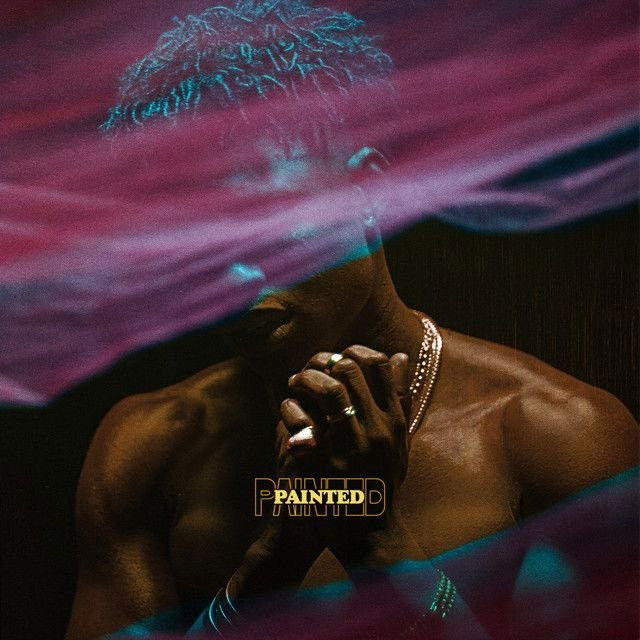
Love You Too Much by Lucky Daye
A breakup song about feelings that will not let go
The meaning of Love You Too Much Lucky Daye centers on a painful contradiction: they know the relationship is damaged, yet they still feel deeply attached. This is not a simple love song, and it is not a clean breakup anthem either. It lives in the messy middle, where ego, guilt, longing, and truth all collide.
"Love You Too Much" - Lucky Daye
Hm
Guess I got a lot of pride
Loading lyrics...
Unable to load lyrics
We're unable to display the lyrics at this time. Please try again later.
Lucky Daye often writes from an emotionally exposed place, blending modern R&B polish with old-school honesty. That matters here. The song does not present heartbreak as noble or dramatic. Instead, it sounds like someone trying to make sense of a bond that has already crossed into unhealthy territory.

Watch the official Love You Too Much
music video
Pride, pain, and the first crack in the story
Early in the track, the narrator admits pride has shaped the way they move through love. When they mention a lot of pride
, they are not bragging. They are confessing a flaw. The song suggests that pride made them think they could avoid hurt, until reality proved otherwise.
That idea opens the song’s main theme: emotional pain is universal, but people still act like they can outsmart it. They also describe wanting to go back and undo the damage. This gives the song a reflective tone. They are not just angry at their partner; they are frustrated with themselves for not seeing where things were headed.
Where the blame really falls
One of the strongest parts of the song is how it refuses a simple villain. The narrator says, in effect, that both people carry blame. A line like the one to blame
lands hard because it breaks through the defensiveness built earlier in the verse.
This matters because the song keeps moving between accusation and self-criticism. They feel wronged, but they also know they handed too much power to the other person. That tension makes the writing believable. Real breakups often sound exactly like this: one minute sure of the other person’s guilt, the next minute admitting personal mistakes.
A short map of the emotional timeline
The song’s story unfolds in a clear arc:
- They begin with pride and denial.
- They admit pressure has built up over time.
- They recognize regret and shared blame.
- They realize trust has been broken.
- They still cannot stop loving the other person.
That final step is the real emotional trap. Logic says leave. Feeling says stay attached.
Why the chorus hurts so much
The chorus repeats I love you too much
, and that phrase does more than declare affection. It works like an admission of excess. The problem is not that love exists. The problem is that love has become larger than reason, self-protection, and maybe even self-respect.
The follow-up idea, it’s a shame for me
, deepens that meaning. They understand that this kind of devotion comes at a cost. There is shame because they can see the imbalance and still cannot escape it.
I love you too much
It’s a shame for you
It’s a shame for me
Paraphrased, the chorus says both people lose in this situation. One may have caused more damage, but neither walks away whole.
Trust is the missing piece
Later, the song gets more direct about betrayal. The narrator talks about lies and the difficulty of finding safety again. When they reference love with no trust
, the message becomes clear: affection alone cannot repair a broken relationship.
This is where the meaning sharpens. The song is not only about loving too hard. It is also about what happens when strong love exists without the one thing that makes love sustainable. Trust is presented as the structure holding everything up. Once it is gone, the relationship becomes unstable, no matter how intense the feeling remains.
How Lucky Daye’s sound carries the message
Lucky Daye’s style often blends silky vocals with emotional friction, a hallmark heard across work recognized around his Grammy profile. In this song, the production feels controlled rather than explosive. That choice fits the lyric.
Instead of a huge, theatrical breakdown, the arrangement leans into a moody R&B pulse. The beat stays measured. The melody circles back on itself. The vocal delivery slips between strength and strain, which mirrors the song’s core conflict: they want to sound composed, but they are barely holding that composure together.
The credited writers, Darhyl Camper and David Brown, build a song that lets repetition do emotional work. Repeated phrases feel obsessive, like thoughts replaying at night. That makes the listener sit inside the problem instead of just hearing about it. For broader context on Lucky Daye’s career and catalog, RCA Records outlines his place in contemporary R&B.
Two useful interpretations
Interpretation: One reading is that the song is about emotional dependency. They know the relationship is unsafe, but they have invested so much that walking away feels like losing part of themselves.
Interpretation: Another reading is that the song is about pride collapsing. At first, they think they can manage pain, blame, and distance. By the end, they are forced to admit they are hurt, attached, and not in control.
Both readings can be true at once. That is why the song lingers.
The final takeaway
The meaning of Love You Too Much Lucky Daye is about the moment when love stops feeling purely romantic and starts feeling dangerous to the self. It shows how pride, regret, and broken trust can exist alongside real devotion.
That honesty is what gives the song weight. It does not pretend love always saves people. Sometimes, it exposes them.
Disclaimer: This interpretation is based on the lyrics, performance, and available artist context. As with any song, listeners may hear different meanings in it.








