Why “Growing Pains” Hits Harder Than Nostalgia
The meaning of Growing Pains Ludacris, Fate Wilson, Keon Bryce starts with memory, but it does not stay there. This song is not a soft, idealized look back at childhood. Instead, it shows how kids can remember style, jokes, games, and neighborhood pride while also carrying fear, violence, and pressure.
"Growing Pains" - Ludacris, Fate Wilson, Keon Bryce
High rights, low lefts, even stevens and fades
Troops, Lottos, and BKs, those was the days
Loading lyrics...
Unable to load lyrics
We're unable to display the lyrics at this time. Please try again later.
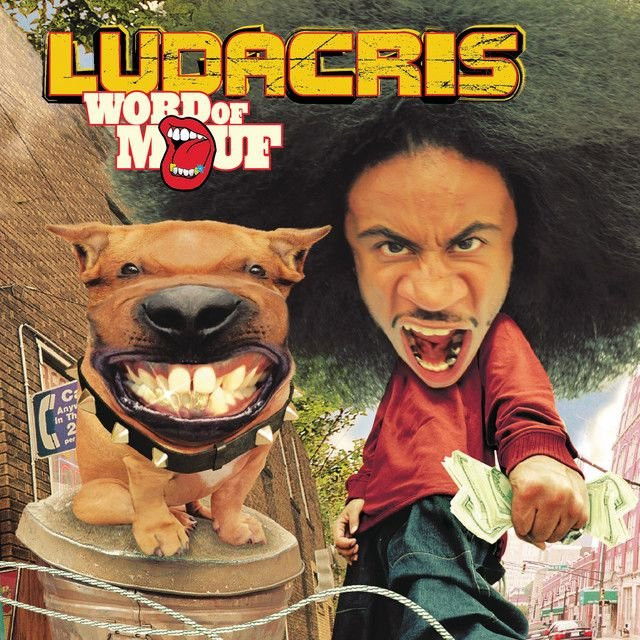
Released as track 8 on Ludacris’s 2001 album Word of Mouf, “Growing Pains” features Fate Wilson and Keon Bryce. It was written by Christopher Bridges, Arbie Wilson, Keon Bryce, William Bell, and Booker T. Jones, and produced by P. King “The Specialist.” Factually, the song also contains an excerpt from William Bell’s I Forgot to Be Your Lover
, which matters because that soul sample gives the record a worn, reflective feeling.
More Than a Throwback to Old Atlanta
At first, the verses sound like a scrapbook. They remember shoes, chains, airbrushed shirts, school dances, toys, and local hangouts. Ludacris and Fate Wilson fill the track with specific details, which makes the world feel lived-in rather than generic.
But those details do something deeper. They show how identity gets built from small neighborhood markers: what people wore, where they met, what they played, and which blocks felt like home. When the song repeats ideas like those was the days
, it is not saying the past was simple. It is saying the past was formative.
Interpretation: the song treats memory as a mix of pride and pain. The artists are not escaping into nostalgia. They are measuring how much childhood shaped their adult selves.
Watch the official Growing Pains
music video
The Chorus Tells the Real Story
The emotional center of the song is the hook from Keon Bryce. The chorus shifts the focus away from scene-setting and toward survival. Phrases like tryin' so hard
and we had to stay strong
explain what all those neighborhood snapshots actually mean.
This is why the hook matters so much. Without it, the verses might sound like colorful storytelling. With it, the song becomes a statement about resilience. The kids in this world are not just hanging out. They are learning how to endure.
We were tryin' so hard
Hard to survive
'Cause even though we were young
We had to stay strong
That short refrain gives the whole song its frame. Every memory now sounds touched by pressure, even the fun ones.
Childhood Here Is Joy Sitting Next to Danger
One of the song’s strongest ideas is that innocence and threat exist at the same time. The verses move from toys and schoolyard games to shootings, crime, police presence, and fear in the neighborhood. That contrast is the point.
Ludacris does not present childhood as protected. In this song, growing up means seeing too much too early. The children still joke, compete, flirt, and dream, but they do it in a world where real harm is always nearby.
This is where the title “Growing Pains” feels especially sharp. The pain is not only emotional growing up. It is social. It is environmental. It comes from having to mature fast because the neighborhood demands it.
Three Voices, One Shared Memory
The song works because each artist contributes a slightly different shade of remembrance. Ludacris brings vivid scene-writing and local history. Fate Wilson adds a verse that feels like direct homage to College Park life, full of block-by-block memory. Keon Bryce gives the song its soulful spine through the chorus.
Together, they create a collective voice. Even when the verses are personal, the hook keeps widening the story from “my childhood” to “our childhood.” That matters because the track is less about one hero’s biography and more about a community experience.
The narrative voice is mostly first-person plural in feeling, even when individual lines get specific. The repeated idea of me and my crew
turns friendship into a survival unit.
How the Production Carries the Meaning
P. King “The Specialist” keeps the music grounded and reflective rather than flashy. The William Bell sample brings in Southern soul history, and that soft ache changes how the verses land. Instead of sounding boastful, even the most detailed memories feel weathered.
That choice also fits Ludacris’s place on Word of Mouf. The album includes huge, high-energy records, but “Growing Pains” slows the pulse and gives listeners a more personal corner of the project. According to the album’s documented credits and release details, Word of Mouf came out in 2001 through Disturbing tha Peace and Def Jam South and later reached 4× Platinum, showing how big the album became even beyond its singles.
Interpretation: the sample suggests that memory itself can sound bittersweet. The warmth in the instrumental does not erase the hardship in the lyrics. It makes that hardship feel more human.
A Song About Place, Pressure, and Becoming
A major theme in the meaning of Growing Pains Ludacris, Fate Wilson, Keon Bryce is place. This is a deeply regional song. Atlanta, and especially College Park, is not just a backdrop. It is the force that shapes the kids in the story.
Another theme is aspiration. One verse looks at kids dreaming toward adulthood, status, cars, and power. That longing is natural, but the song hints that those dreams are already tied to the rough models around them. Children copy what they see.
So the song asks a quiet question: what does it do to a person when their first ideas of strength come from danger, swagger, and survival? It does not give a neat answer. It just shows the process.
What “Growing Pains” Ultimately Means
In the end, “Growing Pains” is about remembering childhood honestly. It honors style, friendship, and neighborhood culture, but it refuses to pretend those memories were innocent. The song says people can love where they came from and still admit it hurt them.
That honesty is why the track lasts. It is nostalgic, but never naive.
Disclaimer: This interpretation is based on the song’s lyrics, credits, and production context. As with any art, listeners may hear different meanings in it.








