Why “Sadness Is a Blessing” Still Cuts Deep
The meaning of Sadness Is a Blessing Lykke Li starts with a strange idea: grief can hurt, but it can also feel useful, even beautiful. In this song, they present sadness not as a passing mood but as a companion that stays after love is gone.
"Sadness Is a Blessing" - Lykke Li
My wounded rhymes make silent cries tonight
And I'll keep it like a burning
Loading lyrics...
Unable to load lyrics
We're unable to display the lyrics at this time. Please try again later.
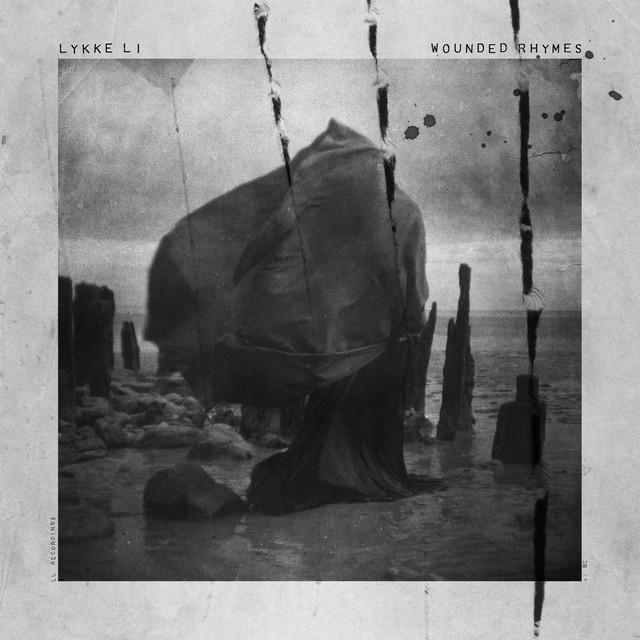
Released on Lykke Li’s Wounded Rhymes, the song sits inside an album built around breakup pain, longing, and emotional aftershock. It was written by Lykke Li, Rick Nowels, and Björn Yttling, whose work helps give it a dramatic, spacious feel. That context matters, because the song is less about “getting over” heartbreak than learning to live inside it.
A Breakup Song That Refuses Easy Healing
At its core, the track is about someone who has lost a lover and now feels more connected to sorrow than to any real person. Early lines describe emotional damage turning into art, with the singer framing pain as wounded rhymes
. In plain terms, they are saying hurt becomes expression.
The verses also show pleading and panic. The speaker remembers begging someone not to leave, and that memory still controls the present. When they mention sorrow as the only lover
, the song moves beyond normal heartbreak language. Sadness stops being just a feeling and becomes a relationship.
Interpretation: This is what makes the song powerful. They are not simply mourning a lost partner. They are admitting that pain can become familiar enough to replace intimacy itself.

Watch the official Sadness Is a Blessing
music video
When the Chorus Turns Pain Into Devotion
The chorus is the song’s main emotional twist. Instead of rejecting grief, the singer embraces it with the repeated phrase sadness is a blessing
. They even call sadness a pearl
, which suggests something rare, polished, and valuable.
That image matters. Pearls are formed through irritation over time, so the metaphor hints that suffering can create depth or beauty. The chorus then becomes more unsettling when sadness is called my boyfriend
. This is not casual phrasing. It suggests attachment, loyalty, and dependence.
Sadness is a blessing
Sadness is a pearl
Those lines summarize the song’s emotional logic. The speaker cannot keep love, so they keep the feeling left behind. What should be painful becomes the one thing they can still hold.
Who Is Speaking in the Song?
The lyric voice is first person, but the emotional shape is easy for listeners to recognize. This is a person trapped between memory and identity. They do not just miss someone; they start defining themselves through missing them.
That is why the song feels so intense. The speaker is not asking whether sadness is healthy. They are confessing that it has become home.
The Push and Pull Inside the Story
The song’s movement is simple but strong:
- They describe hurt turning into language.
- They recall begging a lover to stay.
- They turn sorrow into a stand-in partner.
- They repeat that bond until it sounds almost ritualistic.
This repetition mirrors real grief. People often circle the same memories and emotions instead of moving in a straight line.
Sound, Production, and Why the Song Feels So Haunted
Part of the meaning of Sadness Is a Blessing Lykke Li comes from how it sounds. The production is elegant but heavy, balancing soft space with dramatic force. The beat does not rush. Instead, it leaves room for the voice to hang in the air, which makes the emotions feel lonely and exposed.
Lykke Li’s vocal style is key here. They sing with fragility, but also with firmness, as if accepting pain while still trembling inside it. That mix keeps the song from becoming melodrama. It sounds intimate, but it also has a grand, almost cinematic sadness.
Björn Yttling and Rick Nowels both had a strong hand in shaping that emotional scale. Reviews around the album often noted its stormy, polished pop sound, and NME’s review highlighted how forceful and emotionally charged the record was. In this song, that production style supports the lyric idea that sorrow can feel both crushing and strangely precious.
Symbols That Carry the Message
Several images repeat the same emotional truth.
Scars, distance, and haunting
Scars suggest old pain that has healed physically but still marks the self. Distance suggests a love that cannot be reached anymore. A haunting feeling implies the past is not dead; it still moves through the present.
Together, these ideas tell listeners that heartbreak is no longer an event. It has become a condition.
Blessing and pearl
These are the song’s boldest symbols because they reframe sadness as something almost sacred. A blessing usually offers grace. A pearl suggests beauty made slowly from discomfort. The speaker is trying to find meaning in pain, not just survive it.
One Song, Two Strong Readings
There are at least two solid ways to hear this track.
Interpretation 1: It is about post-breakup attachment. The most direct reading is that they cannot let go of a lost lover, so sadness becomes a substitute relationship.
Interpretation 2: It is about the artistic use of suffering. Because the song opens with pain turning into poetry, it may also suggest that sadness fuels creativity. In this reading, the blessing is not the hurt itself, but what it produces.
These readings can both be true at once. Many great breakup songs work that way.
Why the Song Still Connects
The song lasts because it says something many people feel but rarely say plainly: sadness can become part of identity. Instead of pretending grief is noble or easy, Lykke Li shows how it can be seductive, repetitive, and hard to release.
That honesty is what gives the track its staying power. It does not promise recovery by the final chorus. It simply names the bond between heartbreak and selfhood with unusual clarity.
For many listeners, that is the real meaning of Sadness Is a Blessing Lykke Li: pain is not good, but people sometimes treasure it because it proves that love mattered.
Disclaimer: This interpretation is based on the song’s lyrics, performance, and available context. As with all art, listeners may hear different meanings.








