
Producer Man by Lyn Lapid
The meaning of Producer Man Lyn Lapid comes through fast: it is a warning song about exploitation dressed up as opportunity. Using a simple story about a teenager chased by big promises, Lyn Lapid shows how power can hide behind kindness, contracts, and career talk.
"Producer Man" - Lyn Lapid
That all her dreams would come true
He said, "Come here, sweetie, I can make you a star
Loading lyrics...
Unable to load lyrics
We're unable to display the lyrics at this time. Please try again later.
The song was written by Lyn Lapid and Daniel Nigro, according to the information provided. That matters because the writing feels focused and direct, almost like a short film. Instead of getting lost in vague emotion, it follows a clear pattern: promise, pressure, control, and regret.
A Cautionary Tale in Plain Sight
At the center of the track is a young girl who is told that her dreams can come true. The industry figure appears generous at first, but the lyrics quickly reveal his true motive: in it for the money
. That short line becomes the key to the whole song.
Rather than presenting fame as glamorous, the track treats it like a trap. The promise to make someone a star sounds exciting, but the song shows how those promises can become tools of control. In that way, the meaning of Producer Man Lyn Lapid is not just about one bad person. It is about systems that reward manipulation.
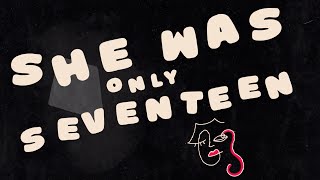
Watch the official Producer Man
music video
Why the Story Starts at Seventeen
The first major detail is the girl’s age. By making her seventeen, the song highlights how youth and inexperience leave someone vulnerable. She wants a future. He wants leverage.
That age detail also changes how listeners hear every line that follows. When he pressures her to sign right here
, it does not sound like a normal business move. It sounds like an adult using urgency and authority against someone who is still learning how the world works.
The Move to L.A. Means More Than Geography
The mention of Los Angeles is important. In pop culture, L.A. often stands for stardom, access, and reinvention. Here, it also stands for distance from safety, support, and independence.
When the girl relocates, the producer gains more control. The song suggests that ambition can isolate people, especially when they leave home to chase a dream. That makes the story feel bigger than music alone.
The Chorus Exposes the Real Motive
The repeated hook about money is blunt on purpose. Many songs hide their villain behind poetry. This one does not. By repeating money, money
, the chorus strips away any fake warmth the producer uses in the verses.
Interpretation: the repetition works like a mask falling off. What sounds at first like mentorship is revealed as greed. The chorus is simple, but that simplicity gives it force. Listeners do not need to decode it; they feel the accusation immediately.
How Control Shows Up in the Details
One of the strongest parts of the lyric is how it explains manipulation step by step. The producer does not force the girl with open threats at first. He studies her dream, learns her weak spots, and then reshapes her.
That is why the line about making her into someone she isn't
hits hard. The song is not only about stolen money or bad contracts. It is also about losing identity. Success, in this story, comes with a demand: become marketable, even if that version of you is false.
Another telling phrase is only chance
. That language is classic emotional pressure. It tells the artist that this deal is rare, urgent, and impossible to refuse. The song understands that exploitation often sounds reasonable before it sounds cruel.
Sound and Mood: Soft Music, Sharp Message
Musically, the song’s impact comes from contrast. The arrangement is light and uncluttered, which lets the words stay in front. That softer sound makes the story more chilling, not less, because the delivery feels calm while the events are disturbing.
Lapid’s vocal style also matters. They sing with clarity rather than melodrama, which keeps the song from turning into cartoon villainy. The restraint makes the character of Producer Man feel believable. He is not scary because he yells. He is scary because he sounds polished, patient, and practiced.
Interpretation: that gentle indie-pop setting mirrors how manipulation often works in real life. It rarely arrives looking obvious. It arrives sounding helpful.
More Than One Reading
The most direct reading is that the song critiques predatory behavior in the entertainment business. Contracts, image-building, relocation, and commercial pressure all point there.
But the song also supports a wider reading. Producer Man can stand in for any gatekeeper who profits from someone younger and less powerful: a manager, mentor, boss, or even a social system. The title gives him a role, but the song gives him symbolic weight.
Sign on the line
running out of time
Those lines capture the emotional mechanics of the trap: create urgency, remove options, and present obedience as the only path forward.
Why the Song Resonates
Part of the reason the track connects with listeners is that it turns a complicated issue into a clear story. It never gets lost in industry jargon. Instead, it shows exploitation in human terms: trust, hope, pressure, and loss of self.
That clarity is why the meaning of Producer Man Lyn Lapid feels so immediate. It warns listeners to ask who benefits when someone offers a dream. If the answer is mostly money and control, the deal may already be dangerous.
Final Take
Lyn Lapid’s song works as both a narrative and a warning. It shows how easily ambition can be manipulated when power is uneven and experience is limited.
This article offers an interpretation based on the lyrics and provided context. As with any song, listeners may hear personal meanings that go beyond one reading.







