What 'Sweet Home Alabama' Means: Pride and Pushback
They know the chorus by heart, but the pull of this classic is more than a sing-along. The meaning of Sweet Home Alabama Lynyrd Skynyrd sits at the crossroads of pride and protest: a homecoming anthem that also answers a national argument.
"Sweet Home Alabama" - Lynyrd Skynyrd
(Turn it up)
Big wheels keep on turning
Loading lyrics...
Unable to load lyrics
We're unable to display the lyrics at this time. Please try again later.
A Southern Answer Song, Not a Travel Brochure
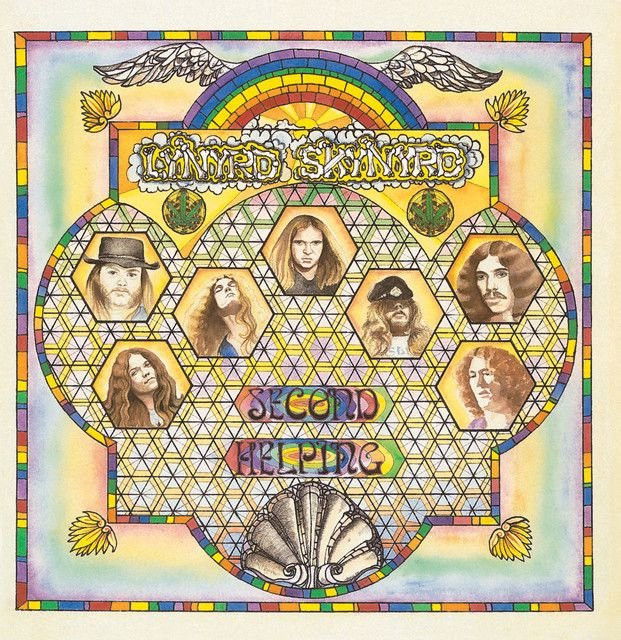
Skynyrd cut the track in 1973 and released it in 1974 on their album Second Helping. Written by Ronnie Van Zant, Gary Rossington, and Ed King, and produced by Al Kooper, it became their first Top 10 hit. More importantly, it was an answer to Neil Young’s critiques of the South.
They don’t hide the target: the narrator nods, hope Neil Young will remember
, then draws a line between broad judgment and lived experience. Years later, Young himself admitted his “Alabama” lyrics were too harsh. The exchange reads less like a feud than a public conversation—one artist paints with a wide brush, another replies from the inside.

Watch the official Sweet Home Alabama
music video
Who’s Speaking: A Traveler With Roots and Receipts
The voice is first person, a Southerner rolling back toward familiar ground. The opening image—big wheels keep on turning
—sets a road-movie pace and frames the song as a return to kin, custom, and comfort.
This narrator isn’t shy. They push back against outside scorn while making room for complexity. That tension—defending home without denying history—drives the verses. It’s pride, but it’s also posture: an insistence that outsiders don’t hold the final word on what the South means.
The Chorus: Comfort In a Complicated Place
The hook promises ease—skies are so blue
—and resolves into a simple vow to come home. Emotionally, the chorus resets the debate of the verses. Every time politics heat up, the refrain cools things with belonging, scenery, and melody. That swing between argument and embrace is why people chant the chorus at ballgames while critics parse the verses in classrooms.
Politics in the Verse: Wallace, Watergate, And a Wink
Here’s the verse that fuels decades of debate:
In Birmingham they love the governor (boo, boo, boo) Now we all did what we could do Watergate does not bother me — does your conscience bother you?
Interpretation: The parenthetical “boo” sounds like disapproval inside the song, and Ronnie Van Zant later said many listeners missed that cue. Producer Al Kooper suggested the line “we all did what we could do” meant trying to vote George Wallace out. Yet cowriter Ed King later offered a different take, arguing the song originally defended Wallace and, more broadly, the average white Southerner. Those competing memories explain why the lyric still sparks arguments.
The Watergate turn is clever rhetoric. It flips the lens northward: if the nation won’t judge every Northerner by Nixon, why judge every Southerner by Wallace? Agree or not, the verse is a pointed reminder that regional politics aren’t simple.
Muscle Shoals Shout-Out: Community Over Caricature
When the song tips its hat—Muscle Shoals has got the Swampers
—it’s not trivia. Skynyrd first recorded professionally at Muscle Shoals Sound Studio in Alabama, learning from the famed rhythm section. In other words, Alabama wasn’t just a symbol; it was part of their musical upbringing.
That verse’s warmth—pick me up when I'm feeling blue
—speaks to community, not ideology. Also notable: powerhouse vocalists Clydie King and Merry Clayton appear on the track, a reminder that Southern music scenes often crossed racial lines even when politics were tense. The shout-outs root the song in a real, collaborative place.
How the Sound Sells the Story
Ed King’s chiming three-chord riff is the welcome mat: D–C–G, a V–IV–I cadence in G that feels like a driveway turn-in. Billy Powell’s rolling piano brightens every line, and the rhythm guitars lock the groove while the drums keep an easy stride.
Production helps the message land. Kooper layers crisp guitars and call-and-response vocals that feel communal. The famous studio aside—turn it up
—breaks the fourth wall, as if inviting listeners into the room. The music says “we’re together” even when the words argue.
Two Plausible Readings, Side by Side
- Interpretation: A neighborly clapback. The song defends everyday Southerners against sweeping blame, rejects Wallace with a boo, and spotlights the state’s musical gifts.
- Interpretation: A complicated love letter. The pride sometimes shades into excuse-making (“Watergate doesn’t bother me”), and Ed King’s later comments suggest parts of the lyric can be read as endorsement.
Both readings can be true for different listeners. That elasticity is why the track thrives as both party anthem and talking point.
Takeaway For Today
The meaning of Sweet Home Alabama Lynyrd Skynyrd lives in that mix of melody, memory, and debate. It’s a catchy riff, a homecoming refrain, and a still-live argument about who gets to define the South.
Disclaimer: Song interpretation is subjective. This reading blends lyrics, artist history, and production details to offer one informed perspective.









