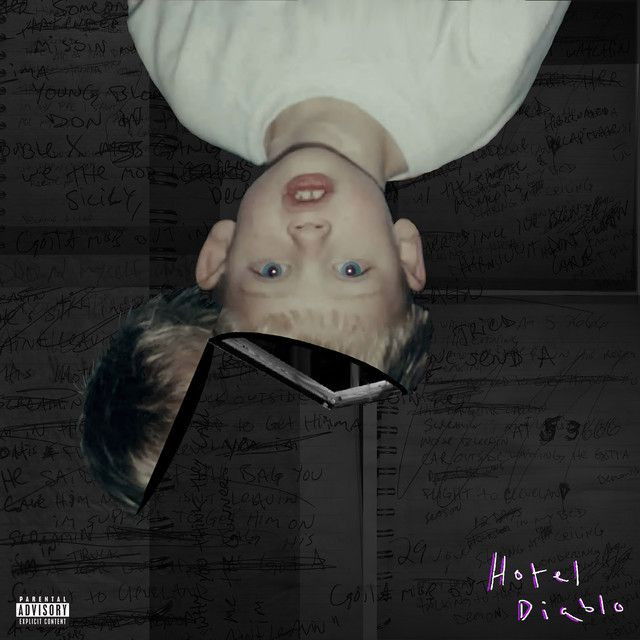
Why 'el Diablo' Feels Like MGK's War Cry
The meaning of el Diablo Machine Gun Kelly starts with one clear idea: this is a song about survival through hostility. Rather than telling a complex story, Machine Gun Kelly uses the track as a hard, fast self-portrait. They frame themself as someone doubted, mocked, and copied, yet still standing.
"el Diablo" - Machine Gun Kelly
Tell all my competition that I love 'em
But I brought 'em back just to kill 'em again
Loading lyrics...
Unable to load lyrics
We're unable to display the lyrics at this time. Please try again later.
Released on May 31, 2019, as a single from Hotel Diablo, the song came out during a tense phase of MGK's career, when they were still closely tied to rap battle energy and public controversy, according to available release information and song credits in major reference databases. In that context, "el Diablo" sounds like a statement of identity, not a confession.
The Real Message Beneath the Threats
On the surface, the track is full of boasts, insults, and violent talk. But underneath that aggression is a simpler emotional point: they feel under-credited and underestimated. The song keeps returning to the idea that people counted them out, then had to watch them come back stronger.
That is why lines about competition matter so much. When MGK says kill 'em again
, the phrase is not only about rivals. It also suggests a cycle of proving themself over and over. Interpretation: the song argues that success is not enough for them if people still refuse to give proper credit.
Later, they make that complaint directly, claiming they changed live rap performance style and watched others become more famous from similar energy. That frustration is central to the track's meaning. This is not just ego for ego's sake; it is ego mixed with resentment.

Watch the official el Diablo
music video
A Persona Built on Risk and Loyalty
The hook is short, repetitive, and important. MGK repeats ideas like gamble with my life
and keep my circle tight
. Before and after those phrases, the song paints a worldview where trust is rare and risk is normal.
That matters because the hook gives the verses structure. The song is not simply listing flexes. It is outlining a code:
- life is unstable,
- loyalty matters more than popularity,
- success creates enemies,
- and hesitation is weakness.
Interpretation: this repeated hook works like a personal motto. They present themself as someone who expects danger and has learned to move with a small, controlled circle.
Hardship, Fame, and Refusal to Go Back
One of the strongest parts of the song is how quickly it moves from present swagger to past struggle. MGK mentions a time when even bathing took extra effort, then jumps to wanting luxury and safety now. That contrast explains much of the anger.
When they say I can't go back
, the emotion is bigger than money. The phrase carries fear. It suggests that the hunger in the song comes from remembering instability too clearly to relax.
This is where the bravado becomes more human. The threats and chest-beating are partly defense mechanisms. If the song were only about dominance, those glimpses of poverty would not be necessary. They are there to show what is at stake.
Why the Title "el Diablo" Fits
The title means “the devil,” but the song does not read like theology. Instead, it uses devil imagery as attitude. MGK leans into being seen as dangerous, rude, or morally questionable.
That framing connects to a key line near the end, where they argue that people judge them by appearance. In context, the title becomes a kind of mask. If the world already treats them like the villain, they might as well amplify that image.
Stop the debate
one of the greatest
That short moment captures the track's central tension. They want recognition, but they ask for it in the harshest possible way. Interpretation: “devil” here means scapegoat, rebel, and self-made threat all at once.
How the Sound Carries the Meaning
The production by Ronny J and Nils is crucial to why the song hits so hard. Built around heavy 808s, clipped drums, and an abrasive mix, the beat feels like pressure with no release. That sonic design matches the lyrics' constant attack mode.
The song is also notably short, running 2:16. Reporting around the release connected that length to Cleveland's 216 area code, giving the track a hometown stamp as well as a sense of urgency. Nothing lingers. The beat slams, the verses hit, and the song exits before the listener can settle down.
That brevity supports the meaning. A longer version might have explained more, but this one chooses force over reflection. As some reviews noted at the time, it plays like an aggressive banger, and that description fits because the production leaves almost no room for softness.
Artist Context Makes the Song Sharper
Within Hotel Diablo, this track sits near songs that deal with fame, self-destruction, and public pressure. That larger album context helps explain why "el Diablo" sounds so confrontational. It is not random hostility; it is part of a broader era where MGK was balancing celebrity, backlash, and self-mythology.
The song was later certified Gold in the United States, which shows that this aggressive style connected widely with listeners. That reception matters because it confirms something the song itself argues: even when critics resist them, they remain hard to ignore.
Final Take on the Meaning
The meaning of el Diablo Machine Gun Kelly is best understood as a defense of identity under pressure. MGK turns pain, pride, insecurity, and anger into one compact performance of dominance. They are not asking to be liked. They are demanding to be acknowledged.
For many listeners, that is why the song still lands: beneath the threats and swagger, it is really about refusing erasure.
Disclaimer: This article offers interpretation based on the lyrics, production, and public context of the song. Meaning can vary from listener to listener.









