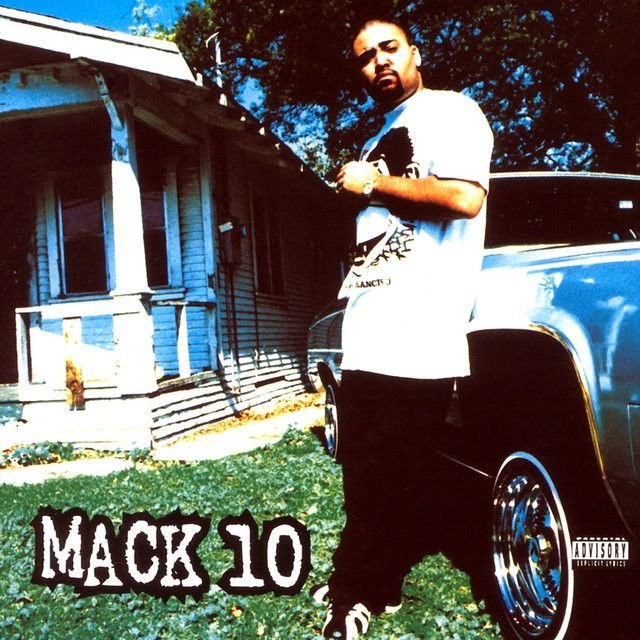
Foe Life by Mack 10
Why This Song Hits So Hard
The meaning of Foe Life Mack 10 starts with identity. On the surface, the song is a hard-edged street anthem full of threats, robberies, and swagger. But underneath that aggression, it is really about proving where they come from, defending reputation, and showing that survival in their world demands toughness at all times.
"Foe Life" - Mack 10
Ice Cube you know you rule hip-hop and
Mack 10 you know you rule hip-hop and
Loading lyrics...
Unable to load lyrics
We're unable to display the lyrics at this time. Please try again later.
Released in 1995 as the lead single from Mack 10’s debut album Mack 10, the track helped introduce them as a major West Coast voice. According to available release data, it came out through Priority Records, was recorded at Lench Mob Studios, and was produced by Ice Cube, with writing credited to Dedrick Rolison and O'Shea Jackson. It also reached No. 71 on the Billboard Hot 100. Those facts matter because the song was designed as a statement record, not a side track. It announced who Mack 10 was and what lane they claimed.

Watch the official Foe Life
music video
A Mission Statement for Inglewood
At the center of the song is place. Mack 10 repeatedly ties their image to Inglewood and the wider West Coast. When they mention West Side
and turn Foe Life
into a chant, they are not just naming a region. They are building a badge of loyalty.
The hook gives the song its main idea: this is not a temporary mood or a passing phase. It is a lifelong code. The repeated line about moving through the hood with stripes
suggests earned status, much like military rank or visible proof of experience. In plain terms, they want listeners to hear authority, danger, and local pride all at once.
Interpretation: The chorus turns personal reputation into community identity. Mack 10 is not only speaking for themself; they are performing a version of West Coast credibility.
The Story Inside the Verses
The verses move like short crime scenes and street memories. They describe cruising, carrying weapons, watching for rivals, dealing with the law, and doing whatever is necessary to stay fed and respected. The details come quickly, which makes the song feel restless and unstable.
One important theme is constant readiness. Even ordinary moments feel tense. A Sunday drive becomes a gun day
, which tells listeners that violence is never far away. The song’s world has no clean line between daily life and conflict.
Another theme is economic pressure. Mack 10 jokes about being broke, promotes the single, and then pivots back into robbery fantasies and survival logic. That mix of humor and menace is important. They present hustling as both performance and necessity.
Fo' life, fo' life
Mack 10 bailin' through the hood
That brief refrain sums up the song’s motion: they are always moving, always visible, always carrying the weight of their name.
Violence, Boasting, and Persona
A lot of the song uses exaggeration. Mack 10 compares themself to horror-movie evil, brags about impossible skill, and stacks one threat on top of another. These bars are not calm autobiography. They are part of gangsta rap’s larger tradition of building a larger-than-life persona.
That matters when reading the lyrics. The song does not simply document events in a literal way. It also uses cartoonish menace to create impact. When they say they are as nutty as Michael Myers
, the point is not realism. The point is fearlessness, shock value, and domination.
Interpretation: The violent language serves two purposes:
- It reflects a harsh environment.
- It turns Mack 10 into a mythic street figure.
That second layer helps explain why the song feels so theatrical. They are reporting from the block, but they are also starring in their own action movie.
Ice Cube’s Production Shapes the Meaning
The production is a huge part of why the message lands. Ice Cube’s beat gives the record a heavy West Coast frame: low-riding rhythm, clean but forceful drums, and a groove that feels menacing without sounding rushed. The song sits in the space where G-funk cool meets gangsta rap threat.
That contrast is key. The music rolls forward smoothly while the lyrics describe chaos. This creates a strange confidence. Mack 10 never sounds panicked. They sound at home inside danger.
Their vocal delivery also supports the theme. They rap with blunt force, short bursts, and a hard conversational tone. Instead of sounding reflective, they sound like someone daring the listener to challenge them. That makes the song feel less like confession and more like a territorial warning.
Context From 1995 West Coast Rap
The meaning of Foe Life Mack 10 becomes clearer when placed in 1995. West Coast rap was already nationally powerful, but artists still had to mark out their own section, crew, and identity. Mack 10 arrived with direct ties to Ice Cube and the Lench Mob circle, so this single had to prove they belonged in that tradition while sounding distinct.
The music video reinforces that image. Reports describe scenes of lowrider cruising, robbery, courtroom trouble, and rooftop escape, with an Ice Cube cameo. Those visuals match the lyrics closely: mobility, outlaw style, neighborhood loyalty, and public spectacle. Even the Cadillac imagery fits the song’s blend of cool presentation and threat.
What the Song Is Really Saying
So what is the song about in the clearest sense? It is about living by a code shaped by neighborhood loyalty, masculine pride, economic pressure, and the need to appear untouchable. It sells fearlessness, but it also hints at instability. Mack 10 keeps projecting control because the world they describe is always ready to take it away.
That is why the song lasts as more than a simple tough-talk record. Its aggression is memorable, but its deeper power comes from how fully it builds a worldview. Every boast, threat, and shout of regional pride supports the same message: identity is something they have to defend every day.
Final Read on Its Legacy
For many listeners, “Foe Life” is Mack 10’s arrival record: a track that introduced their voice with maximum confidence. It remains a sharp example of mid-1990s West Coast rap because it combines local pride, cinematic writing, and hard cruising production in one package.
Interpretation disclaimer: This article offers a critical reading of the song based on the lyrics, recording context, and public release information. Meanings can vary by listener, and only the artist can give a final personal intent.








