Why “Thrift Shop” Hit Harder Than a Joke
The meaning of Thrift Shop Macklemore & Ryan Lewis, Macklemore, Ryan Lewis, Wanz goes far beyond a funny rap about old coats and bargain bins. At its core, the song celebrates personal style, mocks luxury branding, and argues that originality matters more than price tags.
"Thrift Shop" - Macklemore & Ryan Lewis, Macklemore, Ryan Lewis ft. Wanz
What-what, what, what?
What-what, what, what?
Loading lyrics...
Unable to load lyrics
We're unable to display the lyrics at this time. Please try again later.
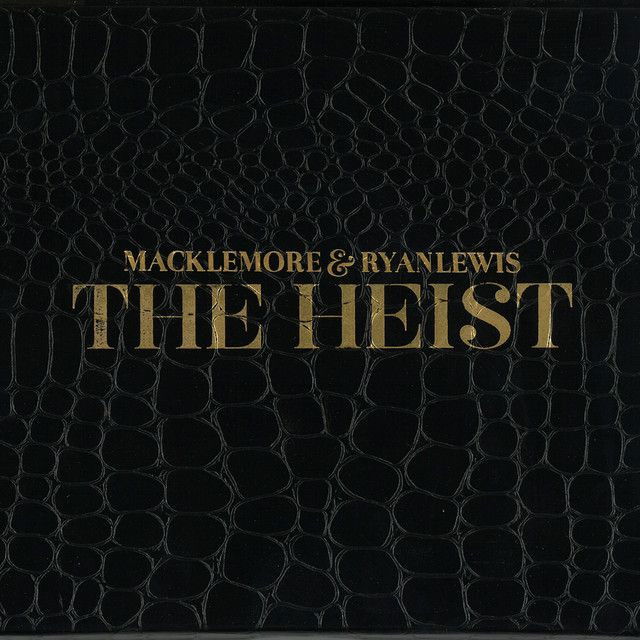
Released in 2012 as a single from The Heist, the track became a massive hit for Macklemore & Ryan Lewis, with Wanz delivering the unforgettable hook. Its chart success helped turn a local Seattle duo into mainstream stars. Factually, the song is credited to Ben Haggerty and Ryan Lewis, and it appeared on The Heist.
A Joke Song With a Real Target
On the surface, the song follows a simple story: they go thrift shopping with limited cash and leave feeling richer in style than people wearing expensive labels. Early on, the hook frames the whole mission with only got twenty dollars
. That detail is not just comic setup. It creates a limit, and the song turns that limit into freedom.
Instead of sounding embarrassed, they sound thrilled. When the chorus lands on this is awesome
, the song flips the usual fashion fantasy. In most pop culture, spending more means winning. Here, finding something strange, cheap, and memorable becomes the real victory.
Interpretation: the song is not anti-clothing or anti-style. It is anti-status worship. It treats fashion as play, not proof of worth.
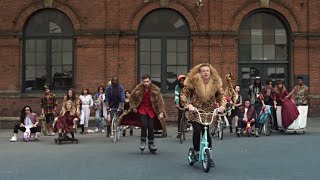
Watch the official Thrift Shop
music video
How the Verses Build the Message
The verses pile up odd details about coats, slippers, jumpsuits, and dusty hand-me-downs. Those images matter because they show taste as a creative act. They are not buying prestige; they are remixing the past.
A key phrase is grandpa's style
. That line turns secondhand clothing into a badge of personality. Instead of chasing what is new, they make old things feel new again.
Another important idea appears when the song contrasts thrift finds with a pricey shirt. Macklemore points out the absurdity of paying heavily for a basic item just because of the logo attached to it. The point is simple: people often confuse cost with value.
A quick narrative map
- They enter the thrift store with little money.
- They search for unusual pieces that stand out.
- They wear those finds confidently in public.
- They mock overpriced fashion for selling sameness.
- They turn thrift into a symbol of independence.
That arc is why the song feels bigger than a novelty hit. It has a clear argument under the punchlines.
The Hook Turns Frugality Into Pride
Wanz’s hook is crucial to the song’s meaning. His singing is smooth, oversized, and almost triumphant, which gives the chorus a mock-epic feeling. A trip to a thrift store suddenly sounds like a stadium event.
That contrast is the joke and the message. The hook makes bargain hunting sound glamorous. It turns a small-budget errand into a public celebration.
I'll wear your granddad's clothes
I look incredible
Those short lines capture the song’s emotional center. Confidence does not come from luxury. It comes from attitude, imagination, and not caring whether approval comes from brand culture.
Fashion, Class, and Consumer Culture
Part of the meaning of Thrift Shop Macklemore & Ryan Lewis, Macklemore, Ryan Lewis, Wanz is social critique. The song jokes constantly, but it also questions how consumer culture trains people to overpay for identity.
One of the sharpest moments comes when the verses laugh at the idea of a very expensive T-shirt being treated as special. The complaint is not only about money. It is also about conformity. If everyone buys the same symbol of cool, then nobody is expressing much at all.
The song’s recurring thrift-store images suggest a different value system:
- reuse over waste
- creativity over labels
- individuality over trend-following
- confidence over approval
Interpretation: listeners can also hear an environmental angle here, even though the song focuses more on style and class than direct activism. Buying used clothes naturally pushes against disposable shopping habits.
Why the Sound Sells the Idea
Ryan Lewis’s production helps the meaning land. The beat uses bright horns, a bouncy groove, and old-school flair, giving the track a playful swagger. That musical choice matters because it keeps the critique fun.
If the production were dark or angry, the song might feel preachy. Instead, it feels communal and mischievous. The brass sounds almost cartoonishly bold, which matches the oversized outfits and exaggerated confidence in the lyrics.
Macklemore’s performance also matters. He raps with comic timing, but they never sound detached from the point. The enthusiasm feels real. That balance between satire and sincerity is why the song connected with such a wide audience.
Why It Landed So Strong in Pop Culture
The song arrived at a moment when indie credibility, DIY fashion, and backlash to flashy luxury culture were all visible in mainstream conversation. “Thrift Shop” gave that mood a catchy chorus and a clear image: looking great without paying a fortune.
It also crossed audiences easily. Some listeners heard a comedy rap. Others heard a critique of brand obsession. Others simply liked the energy of poppin' tags
and the thrill of finding something unexpected.
That flexibility helped the song last. It can still work as a party record, but it also holds up as a statement about self-definition.
The Lasting Meaning of “Thrift Shop”
In the end, “Thrift Shop” is about more than saving money. It argues that style becomes more powerful when it is chosen with imagination instead of purchased as status. The song laughs at fashion rules while proving that confidence can make almost anything look intentional.
For many listeners, that is why the song still feels fresh. It champions the idea that being different is cooler than being expensive.
Disclaimer: This interpretation is based on the lyrics, performance, and public context of the song. As with any artwork, listeners may reasonably hear additional meanings.









