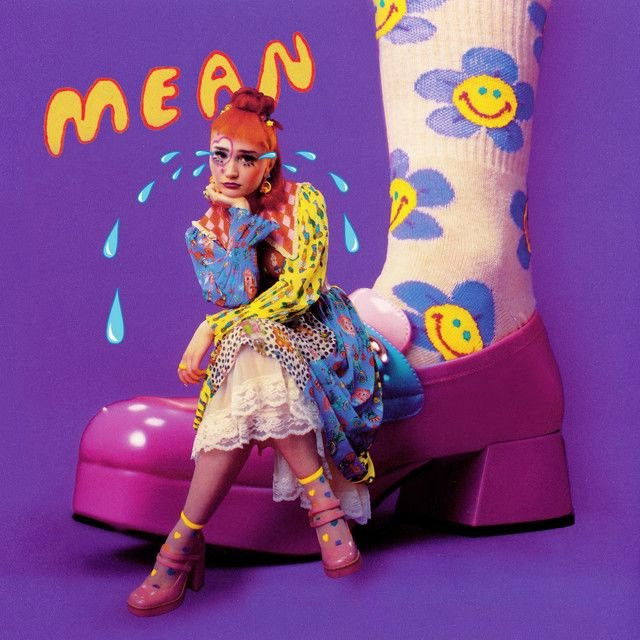
Why “MEAN!” by Madeline The Person Hits So Hard
Madeline The Person’s “MEAN!” turns a painful interaction into a sharp statement of self-respect. At its core, the meaning of MEAN! Madeline The Person is not just about hurt feelings. It is about recognizing emotional cruelty for what it is, refusing to confuse it with honesty, and holding onto identity after someone tries to make a person feel small.
"MEAN!" - Madeline The Person
Half an inch from my face and you meant it
You grabbed my hands and you smiled
Loading lyrics...
Unable to load lyrics
We're unable to display the lyrics at this time. Please try again later.
The song is built around a simple but cutting conflict: one person frames their words as truth, while the narrator realizes those words are really about control. That is why the chorus lands so strongly. It does not beg for kindness. It names the behavior.
A Small Moment That Reveals a Bigger Pattern
The verses describe a confrontation that feels close, tense, and humiliating. The opening image of someone being too close to the narrator’s face creates instant pressure. When the song mentions take too much space
, it is not really about physical space. It sounds like an attack on the narrator’s right to speak, exist comfortably, and take up emotional room.
That idea gets even clearer when the other person effectively cuts them off mid-thought. The line about being pushed out of my own sentence
shows more than interruption. It suggests a power move: the speaker is not allowed to finish, explain, or defend themselves.
Interpretation: this scene can be read as emotional manipulation disguised as blunt honesty. The other person seems to enjoy the authority of defining who the narrator is.
Watch the official MEAN!
music video
The Chorus Names the Real Problem
The chorus gives the song its moral center. Instead of accepting the criticism, the narrator draws a boundary. The key claim is that the other person is not telling the truth
; they are just being mean
.
That distinction matters. Many songs about conflict focus on whether the insult is accurate. “MEAN!” cares more about motive. Someone can say something harsh and still call it honesty, but this song argues that intent matters. If the goal is to belittle, win, or wound, then the speech is not brave truth-telling. It is cruelty.
The line about being nothing like you
becomes the song’s emotional pivot. Instead of defining themself through the insult, the narrator finds one stable point of pride: they do not share the other person’s love of hearing themselves talk. In plain terms, the song says that character matters more than dominance.
Hurt First, Strength Second
One reason the song feels believable is that it does not skip over the damage. The narrator admits the words sting and even sends them outside to cry. That detail keeps the song from sounding overly polished or fake-tough. They are hurt before they are defiant.
That emotional order is important to the meaning of MEAN! Madeline The Person. The song is not about being invincible. It is about recovering perspective after someone lands a blow. The narrator feels shaken, notices the other person’s triumphant look, and then begins to understand the pattern behind the attack.
When “Honesty” Becomes Projection
Later, the song suggests the cruel comments may say more about the speaker than the target. The narrator points toward unresolved issues and projection. In other words, the insult may be a way for the other person to unload their own insecurity.
Interpretation: this does not erase the hurt, but it changes its meaning. If the comment comes from projection, then the narrator does not have to carry it as truth.
How the Writing Keeps It Direct
“MEAN!” is written by Jonah Shy, Madeline Holste, and Noah Kahan, according to the song credits provided in the release context. That writing team helps explain why the song sounds conversational while still landing with precision. The language is plain, but the images are vivid enough to stick.
There is also a smart contrast in the structure. The verses are full of destabilizing moments, while the chorus simplifies everything into a verdict. That move mirrors what people often do after conflict: first they replay every detail, then they reduce the experience to one clear realization.
The rhyme and repetition also help the song feel memorable without making it feel theatrical. Repeating the central accusation turns it into a self-reminder. The more the chorus returns, the less power the insult seems to hold.
The Sound Supports the Message
Madeline The Person is known for emotionally direct alt-pop songwriting, including work around “CHAPTER 3: THE BURNOUT” and later releases on major streaming platforms like Spotify. In “MEAN!,” that style fits the subject well.
Even without overcomplicated production details, the song’s likely strength is its balance between intimacy and release. The verses feel close-up, almost like a memory replaying in real time. Then the chorus opens into a firmer, more declarative space. That dynamic shift matters because the song moves from confusion to clarity.
Interpretation: if listeners hear the hook as bigger or more anthemic than the verse, that would underline the narrator reclaiming control. The sound would then mirror the emotional act of standing up straight after being verbally cornered.
Why So Many Listeners Connect With It
The song taps into a common experience: being told that cruelty is simply honesty. Many listeners know the feeling of leaving a conversation and replaying one cutting sentence again and again. “MEAN!” gives that experience a clean, almost relieving label.
It also avoids a neat reconciliation. There is no apology, no mutual understanding, and no attempt to soften the judgment. That can make the song feel empowering, especially for people learning to separate criticism that helps from criticism that harms.
The Lasting Meaning of “MEAN!”
In the end, the meaning of MEAN! Madeline The Person is about moral clarity after emotional confusion. The narrator cannot stop the hurt from landing, but they can decide what it means. They reject the idea that cruelty becomes valuable just because it is spoken confidently.
That is why the song lingers. It turns one ugly exchange into a larger lesson about boundaries, self-image, and the difference between truth and aggression.
Disclaimer: This interpretation is based on the released lyrics, credited writers, and the song’s musical presentation. As with any song, listeners may connect with it in different ways.







