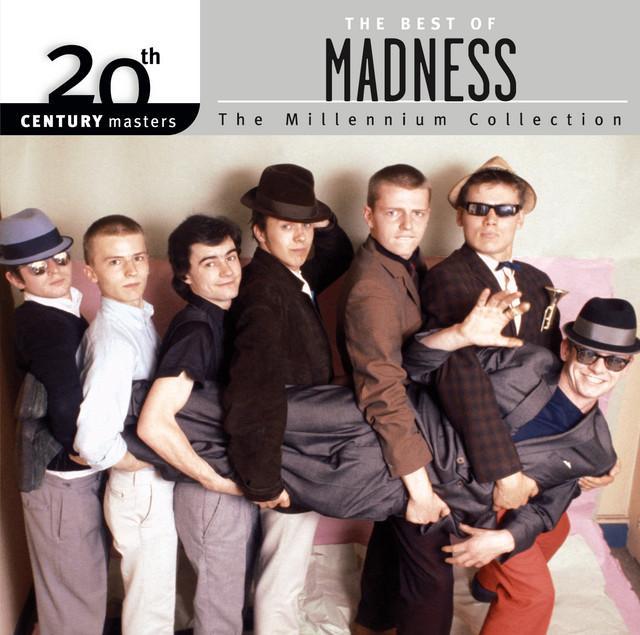
House Of Fun by Madness
The meaning of House Of Fun Madness starts with a simple joke, but it opens into something bigger: the awkward moment when teenage confidence crashes into adult reality. Madness turned an embarrassing errand into a fast, funny pop single about growing up, sexual curiosity, and the strange language people use when they are too shy to say what they mean.
"House Of Fun" - Madness
Can I help you son?
Sixteen today
Loading lyrics...
Unable to load lyrics
We're unable to display the lyrics at this time. Please try again later.
Released in May 1982, the song became Madness's only UK No. 1, according to chart history summarized by Wikipedia. That popularity matters because it shows how well the band translated a very specific British scene into something widely understood: the panic of trying to act older than one feels.
The Joke at the Center of the Story
On the surface, the song follows a teenager who has just turned 16 and walks into a chemist to buy condoms. Instead of asking directly, they hide behind coded phrases and joke-shop language. That is why the opening boast, Sixteen today
, sounds both proud and shaky.
The clerk does not immediately understand. The whole exchange becomes a comic routine built on misunderstanding, classically Madness in tone. What makes it clever is that the teen wants to sound grown-up, yet every line reveals how unready they still are.
This is the core of the meaning of House Of Fun Madness: adulthood does not arrive all at once. It often begins with embarrassment.
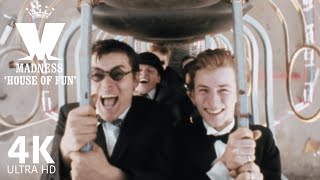
Watch the official House Of Fun
music video
Why the Lyrics Sound Like a Wink
The song's famous euphemisms are the key to its humor. Phrases like Box of balloons
and party hats
are not random. They show a boy who cannot say the word he means, so he reaches for childish substitutes.
That contrast drives the whole lyric. They claim maturity, but their language sounds playful and indirect. When the chemist snaps, not a jokers' shop
, the lyric lands because the adult world refuses to play along.
This scene is especially British in its setting. In UK usage, a “chemist” means a pharmacy, a detail noted by Songfacts. For US listeners, that context helps the joke click: the teen is in the correct kind of store, but asking in the most confusing possible way.
A Coming-of-Age Story in Disguise
Factually, sources consistently describe the song as a coming-of-age tale about a first attempt to buy condoms. Wikipedia and Songfacts both frame it this way.
Interpretation: the deeper point is not just sex. It is performance. The narrator is trying on adulthood like a costume. They insist they are ready, but the song keeps exposing the gap between self-image and real experience.
The chorus widens that idea. Welcome to the house of fun
sounds inviting, but it also hints at danger. The song adds phrases about a lion's den
and temptation, suggesting that adult life is exciting, risky, and a little absurd.
That is why the chorus works so well. It does not just repeat the joke; it reframes the moment as a rite of passage.
How Madness Built the Meaning Into the Sound
The production helps sell the story. The track was produced by Clive Langer and Alan Winstanley, with music credited to Mike Barson and lyrics to Lee Thompson, according to Wikipedia. It moves at about 126 BPM and packs its short runtime with punchy drums, bright keyboards, horns, and a springy rhythm.
That arrangement matters. Instead of making teenage anxiety sound dark or intimate, Madness make it sound public and silly. The ska-pop bounce suggests a boy marching into adulthood with forced swagger, only to stumble over the details.
There is also a useful bit of song history here. The track reportedly began as Chemist Facade
before the chorus was added later in the session, as summarized by Wikipedia. That late-added hook may explain why the refrain feels so theatrical. It bursts in like a sign over a carnival entrance, turning a private errand into a comic spectacle.
The Visual World Matches the Lyrics
The video extends that carnival feeling. Research summaries note it was filmed partly at Great Yarmouth Pleasure Beach and includes chemist and joke-shop imagery; MTV even aired it in the US despite the single not being released there there, per Wikipedia and Songfacts.
That funfair setting is more than decoration. Interpretation: it mirrors the song's view of adolescence as a ride—loud, dizzy, thrilling, and slightly humiliating. The teen thinks they are entering a glamorous adult world, but Madness present it more like a roller coaster.
Why the Song Still Connects
Part of the song's staying power is how gently it treats its main character. Madness do not shame the teenager. They laugh at the situation, not with cruelty but with recognition. Almost everyone knows what it feels like to act confident while feeling totally exposed.
That balance is what keeps the record fresh. It is specific enough to be memorable, but broad enough to stand for many first steps into adult life: first purchases, first risks, first lies about being ready.
The Last Word on Its Meaning
So, the meaning of House Of Fun Madness is both literal and larger. Literally, it is about a 16-year-old trying awkwardly to buy condoms. Interpretation: symbolically, it is about the comic confusion of entering adulthood and finding that desire, language, and confidence do not line up neatly.
Madness make that lesson catchy, quick, and warm. They turn a blush-worthy moment into a pop classic.
Disclaimer: This interpretation separates documented facts from critical reading. Like many songs, "House of Fun" can support more than one meaning depending on the listener.







