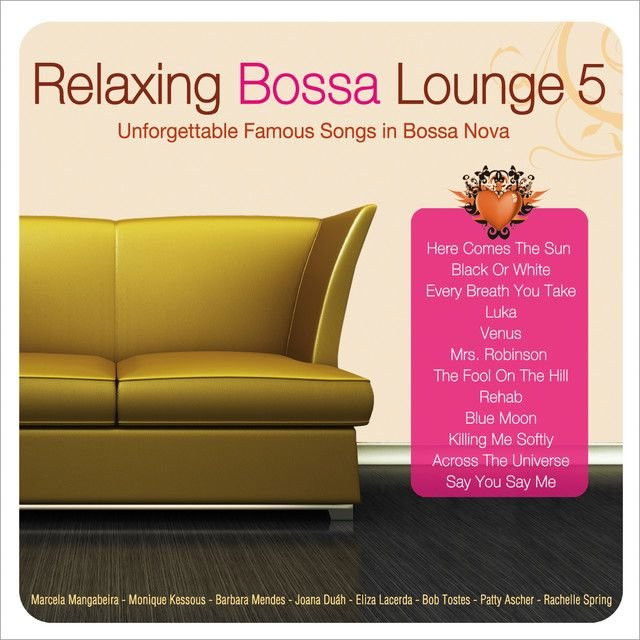
Why 'Mrs. Robinson' Still Smiles Through the Sadness
The meaning of Mrs. Robinson (Bossa version) Marcelo Rezende starts with a famous contradiction: the song sounds warm, catchy, and even playful, but its message is full of unease. In Paul Simon's writing, polite praise turns into social satire. In Marcelo Rezende's bossa-styled reading, that tension becomes smoother and more bittersweet.
"Mrs. Robinson (Bossa version)" - Marcelo Rezende
Jesus loves you more than you will know
Wo wo wo
Loading lyrics...
Unable to load lyrics
We're unable to display the lyrics at this time. Please try again later.
The original song was written by Paul Simon and became closely tied to Simon & Garfunkel and the film The Graduate, which helped fix Mrs. Robinson in pop culture as a figure of adult temptation and disillusionment. Those are well-known facts about the song's history, even if this version reshapes the mood. Rezende's approach matters because bossa nova often makes emotional ambiguity feel effortless rather than harsh.
The Polite Toast Hides a Sharp Critique
On the surface, the chorus sounds like a tribute. It opens with here's to you
and follows with blessings and religious language. But the verses make that praise unstable. The song keeps suggesting that behind respectable manners there is secrecy, evasion, and loneliness.
Interpretation: Mrs. Robinson is less a simple villain than a symbol of adults who know how to look proper while hiding their real lives. The line about a hidden secret, paraphrased through images of cupboards and private spaces, turns domestic life into a place of concealment. The famous phrase hide it from the kids
pushes that idea further. The song is not just about one affair or one woman; it is about what a culture teaches itself not to say out loud.
Watch the official Mrs. Robinson (Bossa version)
music video
A Song About Adults Performing Adulthood
One of the smartest parts of the lyric is how it uses social language. The voice says for our files
and offers to help someone fit in. That sounds bureaucratic, almost cheerful, but it also feels invasive and fake. Instead of true care, the song offers a script for acceptable behavior.
That is a major clue to the meaning of Mrs. Robinson (Bossa version) Marcelo Rezende. The song watches adults perform adulthood. They smile, advise, bless, and organize, yet underneath that public face is confusion. Even the kindly instruction to learn to help yourself
can sound hollow, like institutional language that avoids real intimacy.
Who Is Speaking?
The narrator is slippery. They often speak as a group, using “we,” which gives the song a chorus-of-society feeling. Rather than one person confessing, it can sound like a whole community watching, judging, and participating. That shared voice makes the song broader than a private drama.
Why the Joe DiMaggio Line Matters
The song suddenly expands beyond Mrs. Robinson when it asks, Where have you gone, Joe DiMaggio
. This is one of the key turns in the lyric. It shifts from hidden domestic scandal to national disappointment.
Interpretation: Joe DiMaggio stands for a lost ideal of grace, dignity, or public trust. Whether that ideal was ever fully real is another question, but the longing matters. The phrase about the nation's “lonely eyes” suggests that people are searching for someone to admire in a culture that feels morally tired.
This is why the song still hits. It is not only gossip about one character. It is also about a country that cannot quite believe in its own heroes anymore.
How the Bossa Sound Changes the Feeling
Marcelo Rezende's version likely draws its power from contrast. A bossa arrangement usually favors soft guitar patterns, light percussion, intimate vocals, and a relaxed pulse. That kind of production can make irony feel subtler. Instead of delivering the song with a wink or a jab, the music lets the sadness float.
That changes the listener's experience in two ways:
- The critique feels less accusatory and more resigned.
- The character of Mrs. Robinson can seem more human and less cartoonish.
- The nostalgic parts land with more tenderness.
In other words, the arrangement does not erase the satire. It cushions it. The smooth groove can make lines about prayer, secrecy, and public disappointment sound almost elegant, which deepens the emotional complexity.
Small Images, Big Themes
The lyric works because its images are ordinary. A pantry, cupcakes, a sofa, a Sunday afternoon, a debate on television—these details are everyday American life. But the song keeps showing how ordinary spaces can hold denial, compromise, and quiet despair.
Sitting on a sofa
on a Sunday afternoon
Even in that calm image, the song turns toward politics and losing choices. The message is blunt: in both home life and public life, people may feel trapped between bad options. That is one reason the song feels timeless.
Final Reading: Charm, Irony, and Emptiness
So what is the meaning of Mrs. Robinson (Bossa version) Marcelo Rezende? It is a portrait of respectability with cracks running through it. The song uses compliments, religious phrases, and familiar domestic scenes to expose emotional distance and cultural disappointment.
Interpretation: Rezende's bossa treatment likely highlights the song's saddest truth: people often learn to make emptiness sound beautiful. The listener can sway to it, smile at it, and still feel the ache underneath.
That balance is why the song lasts. It flatters, jokes, remembers, and mourns all at once.
Disclaimer: This interpretation focuses on likely themes in the lyric and the effect of a bossa-style arrangement. Meaning can vary by listener and performance context.








