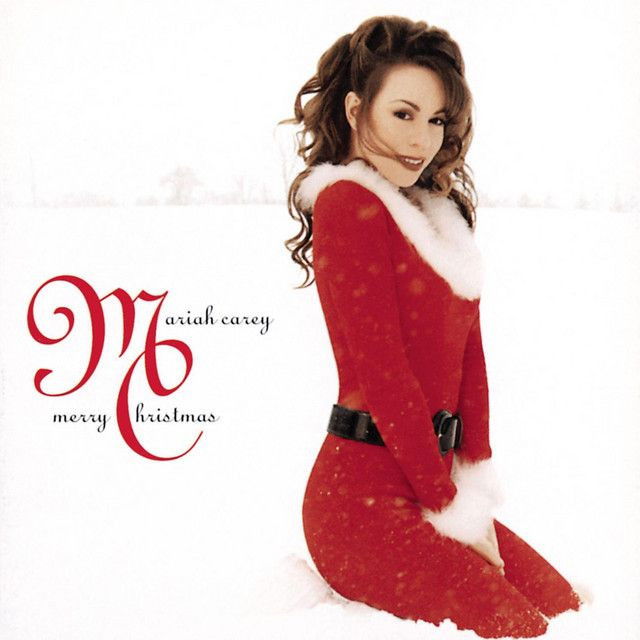
O Holy Night by Mariah Carey
They know the song, but what makes this version so moving? The meaning of O Holy Night Mariah Carey comes alive in how she shapes an old carol into a modern moment of wonder—equal parts reverence, vocal drama, and communal praise.
"O Holy Night" - Mariah Carey
It is the night of our dear Savior's birth
Long lay the world, in sin and error pining
Loading lyrics...
Unable to load lyrics
We're unable to display the lyrics at this time. Please try again later.
From French Poem to Gospel Glow: How Carey Frames the Story
Written in 1847 as a French poem by Placide Cappeau and set to music by Adolphe Adam, “O Holy Night” later gained its familiar English verses via John Sullivan Dwight. Carey recorded her take for Merry Christmas (1994), co-producing with Walter Afanasieff. Her version sits in the pop–holiday tradition but draws deeply from gospel and classical carol performance.
Those roots matter. The original text imagines witnessing the Nativity, while Dwight’s English wording emphasizes worship and hope. Carey leans into that awe—stretching lines, lingering on vowels, and letting the choir answer her phrases like a congregation.

Watch the official O Holy Night
music video
What the Words Mean in Carey’s Hands
The opening image the stars are brightly shining
places listeners under a clear, sacred sky. Soon, the lyric describes a world that has waited in hardship until something changes. When Carey lands on the weary world rejoices
, she turns a simple statement into a release—her voice blooms as if that weariness finally exhales.
Then the phrase a new and glorious morn
signals a reset. Interpretation: for Carey, dawn isn’t only historical (the birth of Christ); it also reads as a personal rebirth. Her rising melody and the arrangement’s gradual swell echo that arrival of light.
Who’s Speaking—and Who’s Listening?
Unlike many pop songs, the narrator here calls listeners into action. The command Fall on your knees
is not a private whisper but a public invitation to worship. Likewise, O hear the angels’ voices
asks them to listen beyond themselves. Interpretation: Carey’s delivery makes the audience part of the scene, moving the experience from performance to shared devotion.
This collective address is why the choir matters. Their entries answer the solo vocal like a dialogue between witness and community. The message widens from one person’s testimony to a roomful of people recognizing the same holy moment.
Symbols That Carry the Weight
- Night vs. Dawn: Darkness gives way to
a new and glorious morn
, a classic image of salvation and renewal. - Stars and Angels: The sky becomes a messenger; divine news arrives from above, guiding attention away from self and toward mystery.
- Kneeling:
Fall on your knees
embodies humility. In Carey’s swell toward the refrain, you can hear the physical act mirrored in musical motion—softened dynamics before the leap upward.
How the Sound Deepens the Meaning
Carey’s arrangement begins spare—piano and strings—before adding a church-like choir. The tempo is deliberate, giving room for breath and ornament. As she moves from head voice to full belt, the intensity mirrors the text’s shift from contemplation to proclamation. A late-song modulation lifts the refrain like the sun cresting the horizon, aligning sound with the lyric’s dawn.
Production choices matter too. Afanasieff’s lush strings and reverb place the vocal in a resonant space, evoking cathedral acoustics. Interpretation: that “room” lets listeners feel as if they’ve stepped into a candlelit service, even when they’re at home.
What Carey Leaves In—and Leaves Out
Dwight’s full English lyric includes lines about love, peace, and the end of oppression, but not every recording uses every verse. Carey’s studio version spotlights the awe-struck parts—angels, kneeling, the holy night itself. Interpretation: by focusing on worship imagery, she turns the carol into a pure moment of reverence, steering the spotlight to the birth narrative and the feeling of worth it awakens.
Why This Version Still Resonates
Carey’s performance has become a seasonal staple in the U.S., appearing on holiday charts and earning major certifications over time. That endurance hints at the track’s balance: it feels both classic and new. Her melismatic phrasing nods to gospel tradition, while the polished pop mix keeps it radio-ready.
Beyond church walls, the song’s arc—from night to dawn, from weariness to rejoicing—offers a universal script for renewal. Interpretation: even for listeners who don’t share the theology, the invitation to pause, kneel (in spirit), and welcome light can feel like a yearly reset.
Final Note: Reverence That Still Feels New
The meaning of O Holy Night Mariah Carey arrives through performance choices that underline the carol’s core: humility, wonder, and hope. With every soaring refrain and choral answer, they build a space where ancient words feel present tense.
Disclaimer: Song meanings are interpretive and reflect one informed reading of the music, lyrics, and recording context.








