Why Marilyn Manson’s ‘Sweet Dreams’ Feels So Sinister
The meaning of Sweet Dreams (Are Made Of This) Marilyn Manson starts with a simple idea: people chase what they want, and that search is rarely innocent. Their cover of the Eurythmics hit keeps the original song’s central theme of human desire, but it changes the emotional temperature. What once sounded cool and detached becomes cold, violent, and threatening.
"Sweet Dreams (Are Made Of This)" - Marilyn Manson
Who am I to disagree?
Travel the world and the seven seas
Loading lyrics...
Unable to load lyrics
We're unable to display the lyrics at this time. Please try again later.
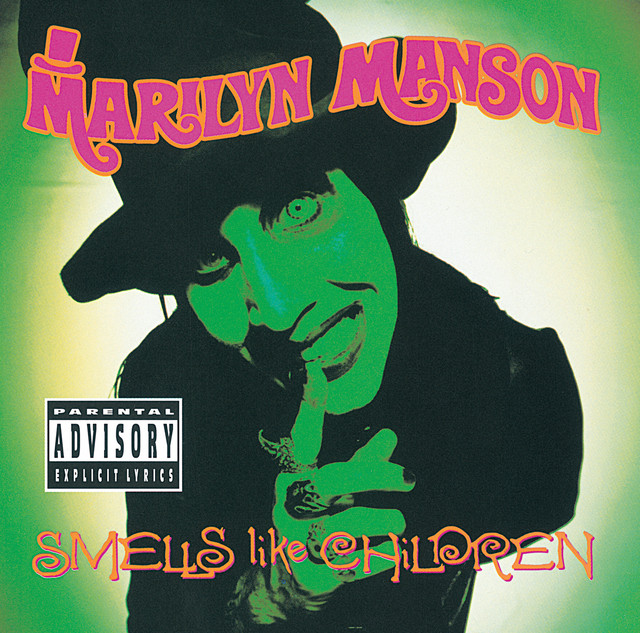
Marilyn Manson released the song on Smells Like Children in 1995, and it became one of the band’s breakout tracks. The song was written by Annie Lennox and David A. Stewart for Eurythmics, while Manson’s version reworked it into an industrial metal setting. That shift matters because the sound changes how listeners hear every line.
A Pop Hook Turned Into a Power Struggle
At the center of the song is the famous claim that everybody’s looking for something
. Before and after that phrase, the lyrics sketch a world shaped by appetite. People do not just want love or success. They want control, access, status, and sometimes pain.
That is why the song lists different kinds of human behavior: people who want to use others, be used, hurt, or be hurt. In plain terms, the lyric turns desire into a social game where nobody is fully safe. The cover leans hard into that danger.
Interpretation: In Marilyn Manson’s hands, the song feels less like a neutral observation and more like a warning. They present desire as something that can easily become domination.
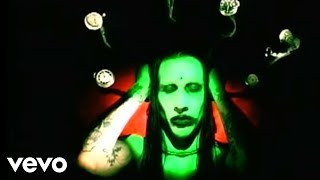
Watch the official Sweet Dreams (Are Made Of This)
music video
What the Chorus Really Suggests
The hook begins with sweet dreams
, but the phrase is ironic. The song is not describing gentle sleep or happy fantasy. It is talking about the dreams people build while awake: ambition, lust, need, and obsession.
Then comes Who am I to disagree?
That line can sound passive, but it also has a bitter edge. It suggests that this harsh system is bigger than one person. The speaker seems to accept that human beings are driven by wanting, even when those wants turn ugly.
Why the Repetition Matters
The chorus repeats so often that it starts to feel like a creed. Instead of offering comfort, it traps the listener inside the same bleak truth. Everyone wants something, and those wants often collide.
The Darkest Turn Comes in the “I” Lines
The most unsettling moment arrives when the song shifts from describing people in general to speaking directly in the first person: I want to use you
. That change is crucial.
Earlier lines sound broad and almost sociological, as if the singer is surveying human behavior from a distance. But once the speaker joins in, the song stops being commentary alone. It becomes confession, threat, or performance.
Interpretation: This is one reason the cover feels so disturbing. The narrator may be exposing the cruelty of the world, but they may also be embracing it. The ambiguity is the point.
Sound Design That Sharpens the Meaning
The production is a huge part of why this version works. The Eurythmics original is built on sleek synth-pop minimalism. Marilyn Manson’s recording slows the pulse, adds distorted guitars, heavy drums, and a grinding industrial texture.
That arrangement makes the lyrics feel more physical. When listeners hear a line about using or abusing someone in this setting, it lands with more force. The song no longer feels like a stylish observation from the dance floor. It feels like a nightmare in a factory.
Manson’s vocal also changes the song’s meaning. They move between a near-mutter and a snarl, which gives the performance an unstable quality. The voice sounds both controlled and ready to snap.
Why the Cover Hit So Hard in the 1990s
Part of the song’s impact came from timing. In the mid-1990s, Marilyn Manson was building a reputation around shock, goth imagery, and attacks on mainstream comfort. Covering a well-known 1980s hit let the band twist something familiar into something ugly and theatrical.
That contrast helped the song stand out on radio and MTV. Even listeners who knew the original heard the same words in a new way. The band’s eerie video pushed that effect further, turning the song into a piece of unsettling performance art.
Two Strong Ways to Read It
There are at least two useful readings of this song:
- Social critique: The lyrics expose how often relationships involve power, exploitation, and emotional bargaining.
- Character portrait: The singer performs the role of a predator, forcing listeners to face impulses that polite society hides.
Both readings fit the text. The line hold your head up
adds an interesting wrinkle. It sounds encouraging on the surface, but in this version it can also feel grimly defiant, as if survival itself has become the goal.
The Lasting Meaning of the Cover
So, what is the meaning of Sweet Dreams (Are Made Of This) Marilyn Manson? Their version is about desire stripped of innocence. It shows a world where people chase what they need, but that chase often turns into exploitation, control, and emotional violence.
What makes the cover last is not just its shock value. It is the way the performance turns a catchy pop song into a study of human hunger. The melody stays memorable, but the mood tells listeners that wanting something can be dangerous.
That is why this cover still feels unsettling decades later. It does not let desire stay pretty.
Disclaimer: This interpretation is based on the song’s lyrics, performance, and cultural context. Like most songs, it can support more than one meaning.








