Why 'Not Gon' Cry' Still Hits So Hard
The meaning of Not Gon' Cry Mary J. Blige comes down to one hard shift: a woman stops begging for love and starts protecting her dignity. The song is about betrayal, exhaustion, and the moment pain turns into resolve. It hurts, but it also rebuilds.
"Not Gon' Cry" - Mary J. Blige
You were busy loving yourself
I would stop breathing if you told me to
Loading lyrics...
Unable to load lyrics
We're unable to display the lyrics at this time. Please try again later.
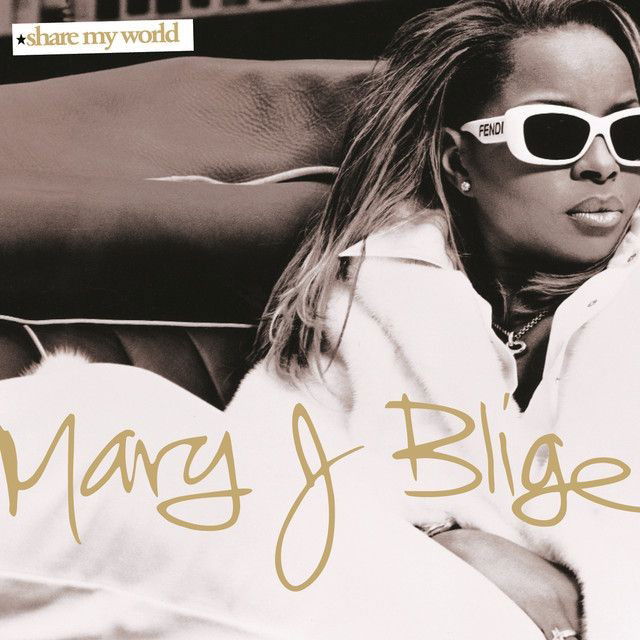
Factually, the song was written and produced by Babyface for the Waiting to Exhale soundtrack, and it was inspired by Bernadine's storyline in the film. It was released as a single in 1996, later appeared on Blige's Share My World, reached No. 2 on the Billboard Hot 100, hit No. 1 on the Hot R&B chart, and was certified platinum in the U.S. Wikipedia. That success matters because the song did more than soundtrack a movie scene. It became a breakup anthem.
The Real Message Beneath the Anger
On the surface, the song is about a relationship ending after years of sacrifice. The narrator says they gave time, labor, loyalty, and emotional support, only to be left behind. The pain is personal, but the language makes it feel larger than one story.
When they repeat not gon' cry
, it is not a sign that they feel nothing. It sounds more like self-command. They are trying to hold themselves together long enough to survive the shock.
Interpretation: That is why the chorus feels powerful instead of cold. The song is not denying grief; it is resisting humiliation. The real enemy is not tears themselves, but the idea that the person who caused the damage still gets to control the emotional ending.

Watch the official Not Gon' Cry
music video
A Story of Work, Love, and Unequal Burden
One reason the lyrics land so strongly is that they describe emotional and practical labor at the same time. The narrator was not only a partner but also a helper, organizer, and supporter. In the line about being a lover and a secretary, the song captures a relationship where care becomes unpaid work.
That idea deepens the betrayal. The loss is not just romantic. It is economic, domestic, and spiritual. When the song mentions eleven years
, it turns heartbreak into a record of investment.
Through sickness and health
'til death do us part
That brief wedding-vow reference matters because it shows what was broken. The narrator believed the promises were real. The other person treated them as disposable.
Why the Chorus Feels Like a Fight
The hook is simple, but its simplicity is the point. The words circle back again and again, almost like a person talking themselves through a breakdown. Each return to you're not worth my tears
sounds less like revenge and more like recovery.
Interpretation: The chorus works as emotional re-framing. In the verses, the narrator counts losses. In the chorus, they reclaim value. They cannot get the years back, but they can decide what happens next.
This is also where Mary J. Blige's performance makes the lyric bigger. Critics picked up on that at the time. Billboard's Larry Flick called the track one of the soundtrack's strongest songs and praised how Blige moved from anger to release over a slow groove, as quoted on Wikipedia. That arc is exactly what listeners hear.
Mary J. Blige's Voice Sells the Meaning
Production-wise, Babyface keeps the arrangement controlled. The tempo is slow, the groove is steady, and the instrumentation leaves room for the vocal to carry the drama. There is smooth 1990s R&B polish, but there is also a blues feeling underneath.
That tension matters. The track does not explode into chaos, even when the lyrics are furious. Instead, the music stays measured while Blige lets the cracks, grit, and strain come through. This contrast gives the song its force. It sounds like someone trying very hard not to fall apart in public.
That is part of Mary J. Blige's larger artistic identity too. Across her 1990s work, she often merged hip-hop soul toughness with deep vulnerability. Here, that blend is perfect for a character who is wounded but refusing to break.
The Film Context Changes the Song
The song's meaning also grows when placed next to Waiting to Exhale. Babyface wrote it to fit Bernadine, played by Angela Bassett, after her husband abandons her. That backstory gives the lyrics a cinematic frame: this is the voice of a woman taking stock after years of being taken for granted Wikipedia.
Still, the song works even without the film because its details are broad enough to travel. Many listeners hear themselves in lines about sacrifice, unfairness, and delayed self-respect. That is likely why People famously called it a jilted woman's manifesto, a quote also preserved on Wikipedia.
A Few Key Lines and What They Do
Several short phrases carry the whole song's emotional architecture:
loving yourself
points to selfishness and emotional neglect.someone else
widens the hurt into replacement and betrayal.drop of a dime
shows how quickly long commitment can be discarded.not gon' shed no tears
frames restraint as survival.
None of these phrases is complicated on its own. Together, they map a journey from disbelief to anger to self-protection.
Final Take on the Song's Lasting Power
The meaning of Not Gon' Cry Mary J. Blige is not that heartbreak should be hidden. It is that a person can be devastated and still choose self-respect. The song honors grief while refusing to let betrayal have the final word.
That is why it still connects. It speaks to anyone who has realized too late how much they gave, then decided that the next chapter would not be written by the one who left.
Disclaimer: This interpretation blends documented context about the song and soundtrack with critical reading of the lyrics and performance. As with any song, listeners may hear additional meanings.








