Why 'Push' by Matchbox Twenty Still Divides
Matchbox Twenty’s “Push” is one of those 1990s hits that people remember instantly, but not always in the same way. For some, it is a sharp alt-rock breakup song. For others, it is a controversial chorus that sounds harsh on first listen. The meaning of Push Matchbox Twenty becomes much clearer when they hear the whole song, not just the hook.
"Push" - Matchbox Twenty
I'm a little bit rusty, and I think my head is caving in
And I don't know if I've ever been really loved
Loading lyrics...
Unable to load lyrics
We're unable to display the lyrics at this time. Please try again later.
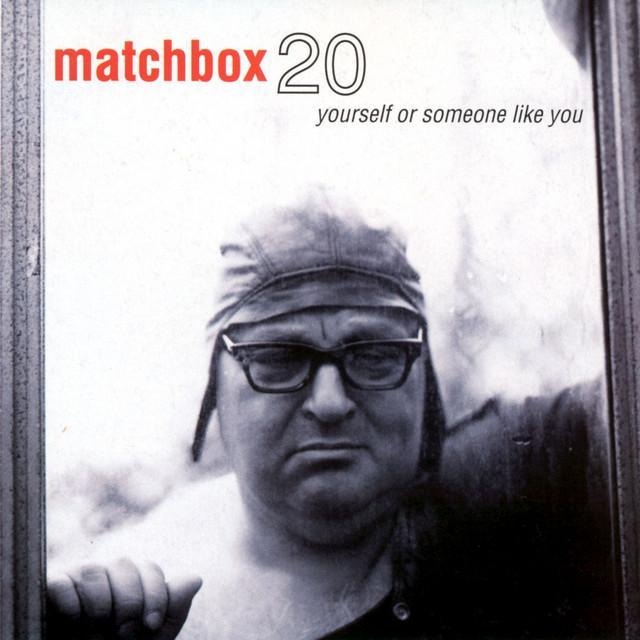
Released on Yourself or Someone Like You and issued as a single in 1997, “Push” helped turn the band into a major radio act, reaching No. 1 on Billboard’s Alternative Airplay chart and crossing into pop radio too. It was written by Rob Thomas and Matt Serletic, with Serletic also producing it.
The Core Idea Beneath the Chorus
At its heart, “Push” is about a relationship poisoned by insecurity, mistrust, and emotional cruelty. The verses do not sound triumphant. They sound bruised. The opening ideas describe someone who feels damaged, unloved, and close to breaking, using phrases like good enough
and a little bit rusty
to show self-doubt and wear.
That matters because the song’s aggressive chorus is framed by emotional collapse, not confidence. In other words, the chorus is not simply a fantasy of strength. It sounds more like a toxic reaction inside a relationship where both people are trying to hurt, defend, or control.
Interpretation: Many listeners hear the chorus as the exposed truth of an unhealthy bond: if love has turned into scorekeeping, one or both partners start wanting leverage instead of closeness.

Watch the official Push
music video
Why the Song Sparked Backlash
The controversy around “Push” has followed it for years. Some listeners focused on the repeated lines about wanting to dominate or disregard another person, especially push you around
and take you for granted
. That led to criticism that the song encouraged abuse.
But Rob Thomas pushed back on that reading. According to Songfacts, he said the song was about being harmed in a relationship and that listeners would hear that if they paid attention to the verses, not just the chorus. Songfacts also notes Thomas tied the song to a painful breakup with a high school girlfriend and described the perspective as involving emotional abuse.
That context does not erase the discomfort in the hook, but it does change the frame. The song is presenting ugliness, not necessarily praising it.
A Voice Full of Contradictions
One reason “Push” still feels alive is that the speaker is unstable in a believable way. The lyrics move between need, anger, self-protection, and surrender. One moment the song asks for reassurance. The next, it threatens emotional retaliation.
Don't rush this, babyThings get so crazy
That brief turn is important. Instead of sounding like simple domination, the song suddenly reveals panic. The relationship is falling apart in real time, and the speaker seems to know it.
Who seems to be talking?
Interpretation: The lyrics can be heard as partly ventriloquizing an abusive partner’s mindset, or as showing a wounded narrator absorbing that language and throwing it back. Either way, the song is full of crossed signals. The phrase you don't owe me
tries to sound detached, but the rest of the song proves the bond is not clean or calm.
How the Music Supports the Meaning
“Push” works because the sound carries the same tension as the words. The production is polished, but it never feels soft. The guitars have a tight, grinding edge, the rhythm section keeps the song moving forward, and Thomas sings with a mix of ache and bite.
Serletic’s production helps the chorus land hard without turning the song into full-on metal or grunge. It stays accessible, which is part of why it crossed from alternative rock into pop formats. That contrast matters: the melody is catchy, but the emotional message is jagged.
The vocal performance is especially important. Thomas does not sound like someone in total control. Even when the chorus turns forceful, his voice carries strain. That makes the song feel less like a victory speech and more like a confession from someone trapped in a destructive pattern.
The Real Story Behind the Writing
There is also an interesting origin story behind the track. Songfacts reports that Thomas and Serletic started building the song from the word “rusty” during a writing session after a cancelled meeting. That helps explain why the verses feel so image-driven. “Rusty” is not just a clever word; it suggests neglect, erosion, and a person who feels worn down by life.
That small detail deepens the meaning of Push Matchbox Twenty. The relationship in the song is not broken by one argument. It feels corroded over time.
Why It Kept Resonating
“Push” became one of Matchbox Twenty’s defining early songs because it captured something messy that many radio hits avoid. It did not offer a neat breakup lesson. It showed attraction and resentment living side by side. That emotional confusion felt real to listeners, even when it was uncomfortable.
Its long afterlife proves that too. The song later reentered pop culture through Barbie in 2023, where Ryan Gosling’s Ken used it in a knowingly exaggerated way. That moment played with the song’s reputation, but it also showed how recognizable its emotional posture still is: needy, performative, and trying too hard to sound powerful.
Final Take on the Meaning
So, what is “Push” really about? The clearest reading is that it dramatizes a toxic relationship where pain turns into control, and vulnerability turns into threats. The song’s most famous lines are meant to disturb, not comfort.
That is why the meaning of Push Matchbox Twenty is bigger than its chorus. It is not a love song, and it is not a simple revenge song either. It is a portrait of emotional damage spoken in the language of a fight.
Interpretation disclaimer: Song meaning is rarely limited to one fixed answer. This reading combines the lyrics, the recording, and public comments from the writers, but individual listeners may hear different shades of blame, pain, and perspective.








