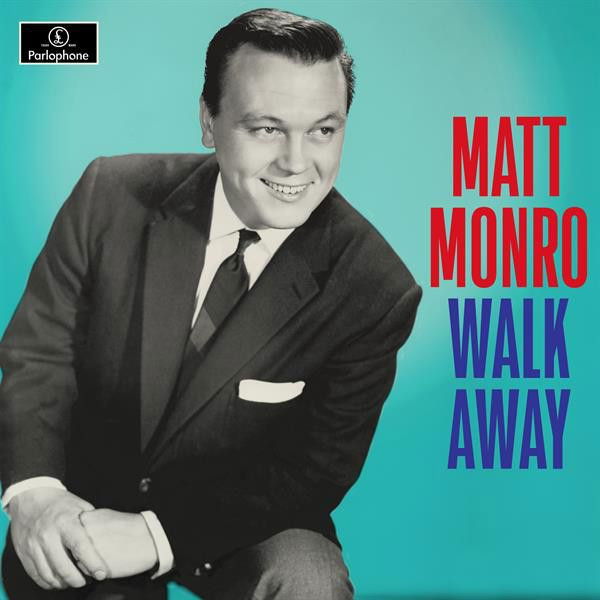
Walk Away by Matt Monro
A breakup song built on sacrifice
The meaning of Walk Away Matt Monro centers on a painful kind of love: the kind that lets go. Rather than begging a partner to stay, the singer pushes them toward a better future, even though it hurts him deeply. That reversal is the song’s emotional hook. It sounds like a farewell, but underneath it is an act of protection.
"Walk Away" - Matt Monro
Before you throw your life away
A life that I could share for just a day
Loading lyrics...
Unable to load lyrics
We're unable to display the lyrics at this time. Please try again later.
Matt Monro was one of Britain’s best-known vocalists of the 1960s, often praised for his smooth baritone and precise phrasing. His career included major hits and film themes, and “Walk Away” was one of the songs that crossed into the U.S. Top 40, helping show his international reach (Matt Monro profile). That context matters because Monro’s style was built for songs where restraint says more than drama.

Watch the official Walk Away
music video
Where the song came from
Factually, “Walk Away” was not created from scratch for Monro. It began as Austrian singer Udo Jürgens’ 1964 Eurovision entry, “Warum nur, warum?”. Monro heard it, and an English version was then written by Don Black, Monro’s friend and manager (song background).
That origin helps explain the song’s structure. It has the polished, melodic shape of a continental ballad, but the English lyric sharpens the emotional message into a very direct plea. It is not just sadness; it is sadness mixed with duty.
Who is speaking, and what do they want?
The speaker is a lover who believes the relationship cannot last. Instead of holding on, they urge the other person to leave before more damage is done. Early on, the song says walk away
and please go
, but the tone is not cold. It sounds almost protective, as if the speaker is trying to save the other person from a future disappointment.
That idea grows when the lyric suggests they should have met some years ago
. In plain terms, the timing is wrong. The love is real, but life is not lining up around it. This is one of the song’s key themes: love alone does not always solve practical or emotional obstacles.
How the story unfolds
The song moves in a clear emotional arc:
- The speaker tells their lover to leave.
- They explain that staying would build false hope.
- They admit they are weak enough to change their mind.
- They end in grief, but they still stand by the decision.
The middle is especially important. When the song warns against a dream that cannot happen, it turns the farewell into a moral choice. The speaker is not rejecting love; they are rejecting illusion.
If I heard your voice
I'd beg you to stay
So don't say a word
Just run, run away
This is the emotional center of the lyric. The speaker knows that one more conversation could break their resolve. So silence becomes a form of mercy.
The deepest theme: love versus self-denial
Interpretation: The song can be heard as a portrait of selfless love. The speaker seems to believe that the other person deserves a fuller life elsewhere. Phrases like live a life that's full
show that they are imagining a future from which they are absent.
That is why the song remains affecting. Many breakup songs are about betrayal, anger, or pleading. This one is about denial of the self. The speaker gives up what they want because they think love should serve the other person first.
There is also a quieter theme of regret. The line about wrong timing suggests that the tragedy is not a lack of feeling. It is circumstance. In that way, the song fits a long tradition of adult pop ballads where maturity means accepting what cannot be fixed.
Why the music makes the message hit harder
Monro’s recording style is central to the song’s meaning. His voice is calm, round, and controlled, which stops the lyric from becoming melodrama. According to AllMusic, he was known for one of the smoothest baritone sounds in pop, and even Frank Sinatra praised his pitch and phrasing after his death, calling him one of the finest male vocalists in the business, as quoted on his biography page (Matt Monro profile).
That kind of singer can make restraint sound devastating. The likely orchestral backing and slow-pop arrangement do not rush the feeling. Instead, they leave space for pauses, sustained notes, and the ache inside simple words. The production supports the lyric’s main tension: the speaker sounds composed while emotionally falling apart.
Why “Walk Away” lasted
The song lasted because it blends accessibility with emotional complexity. On the surface, it is easy to follow. It has a clear hook, a memorable title phrase, and a classic pop-ballad melody. But beneath that simplicity is a more adult emotional situation than many love songs offer.
It also arrived during a strong period in Monro’s career. He was already established through hits like “Portrait of My Love” and later became strongly associated with songs such as “Born Free” and “From Russia with Love” (career overview). Within that catalog, “Walk Away” stands out because it turns emotional suppression into the whole story.
A final reading of the meaning of Walk Away Matt Monro
The best way to understand the meaning of Walk Away Matt Monro is to see it as a song about choosing pain now to prevent greater pain later. The speaker is heartbroken, but they believe staying together would be selfish or unrealistic. They let love speak through refusal.
Interpretation: Some listeners may hear the song as noble, while others may hear it as tragic overcontrol. Both readings make sense. The lyric never fully explains why the relationship cannot work, and that ambiguity is part of its power.
In the end, the song hurts because it treats goodbye not as the opposite of love, but as one of its hardest forms.
Disclaimer: This interpretation is based on the lyrics, recording context, and documented career history. As with any song, listeners may reasonably hear different meanings in it.








