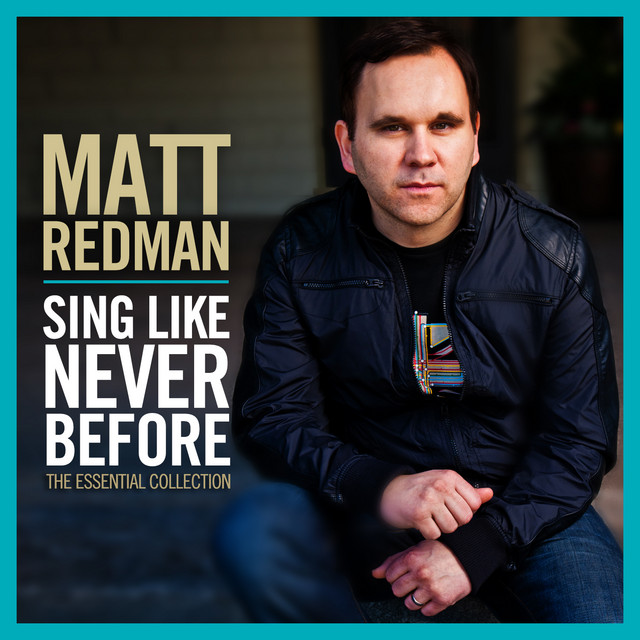
Why 'The Heart of Worship' Still Hits Home
The meaning of The Heart Of Worship Matt Redman comes into focus almost immediately: this is a song about clearing away distraction and returning to sincere devotion. Rather than celebrating music itself, it questions what happens when worship becomes performance, routine, or image. That tension is why the song has lasted for so long in American churches and beyond.
"The Heart Of Worship" - Matt Redman
All is stripped away
And I simply come
Loading lyrics...
Unable to load lyrics
We're unable to display the lyrics at this time. Please try again later.
Matt Redman wrote the song, and it became one of the defining modern worship songs of its era. In Christian music circles, its message is often linked to the story Redman has shared about his church stepping back from production and asking what worship meant without the usual tools and habits. That background matters because the lyric is not abstract; it sounds like a real correction born from real experience.
A Song About Stripping Worship Down
At its core, the song describes a moment of spiritual reset. The opening idea, captured in when the music fades
, suggests a scene where the extras disappear. What remains is not stagecraft or emotion for its own sake, but a person standing honestly before God.
That is the heart of the song's message. The speaker admits that even something good, like worship music, can become an end in itself. The line more than a song
does not reject music. Instead, it argues that music should point beyond itself toward love, reverence, and surrender.
Interpretation: The song works as a confession. It is not accusing other people first. It places the burden on the singer, who realizes they may have turned worship into something smaller, safer, or more self-focused than it should be.
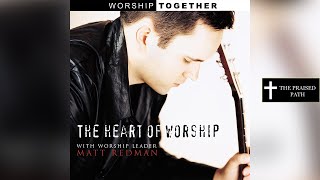
Watch the official The Heart Of Worship
music video
The Chorus Turns the Song Into a Prayer
The chorus is why the song feels so personal. When it says it's all about You
, the lyric shifts from observation to direct address. This is no longer a lesson about worship; it becomes worship itself.
Just as important is the apology at the center of the chorus. The phrase I'm sorry, Lord
gives the song its emotional weight. Instead of claiming purity, the speaker admits failure. That confession is what makes the message feel believable rather than idealized.
The repeated return to the heart of worship
suggests that spiritual focus is not a one-time achievement. It is something people drift from and must keep choosing again. That repeated choice is one reason the song has remained so relatable.
Looking Past Appearances
One of the song's strongest ideas is that God sees beneath outward action. The lyric phrase looking into my heart
paraphrases the song's central warning: appearances can be convincing, but they are not the same as sincerity.
This gives the song a quiet challenge. It asks whether worship is meant to impress people, create a mood, or check a religious box. The answer, according to the song, is no. External beauty may have value, but only if it reflects inner truth.
Interpretation: In a broader sense, the lyric can speak to any setting where form starts to replace meaning. Even outside church, listeners may hear it as a reminder to choose substance over image.
Why the Simple Sound Matters
Part of the song's power comes from how it sounds. "The Heart of Worship" is built with a gentle, uncluttered style that leaves space for the words to land. The tempo is calm, the melody is singable, and the arrangement usually grows gradually rather than bursting with drama.
That production choice supports the lyric perfectly. A flashy arrangement would weaken the message. By keeping the music restrained, the song models the very humility it calls for.
In many live or congregational versions, the repeated lines create a meditative effect. Instead of pushing listeners forward with momentum, the song invites stillness and reflection. That makes the confession at its center feel even more direct.
The Real-World Context Behind the Lyrics
Redman has often connected the song to a season at Soul Survivor's home church in Watford, where pastor Mike Pilavachi paused the music ministry and challenged the congregation to rediscover worship beyond songs and sound systems. That story has been widely repeated in Christian music coverage and artist commentary, and it explains why the lyric feels so grounded in church life.
This context sharpens the meaning of The Heart Of Worship Matt Redman. The song is not anti-music, and it is not against artistry. It is against losing the center. That is a big difference.
It also explains why the song resonated across denominations. Many churches have faced the same question: how do they use modern music without letting the experience become a performance? This song gives a gentle but clear answer—keep the focus on God, not the platform.
Why It Still Connects Today
The song still matters because its problem has not gone away. In fact, it may feel even more relevant in an age shaped by branding, visuals, and constant self-display. Its message is simple: sincerity matters more than spectacle.
That is why the song continues to speak to worship leaders, churchgoers, and casual listeners alike. It offers a correction without sounding harsh. It calls people back, not by force, but by humility.
Final Take
The meaning of The Heart Of Worship Matt Redman is a return to spiritual honesty. It says worship is not mainly about music, mood, or outward polish, but about a heart turned toward Jesus.
Interpretation disclaimer: This article offers a literary and musical reading based on the lyrics, artist context, and common reception. Individual listeners may hear the song differently.







